
Galaxy S21 5G Vs iPhone 16 Plus

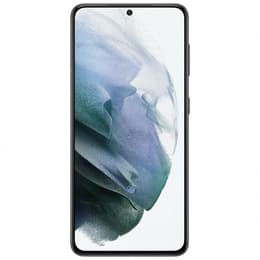
Galaxy S21 5G
Galaxy S21 5G
Starting at

Refurbished price:£133.00

Versus £829.00 new

See options
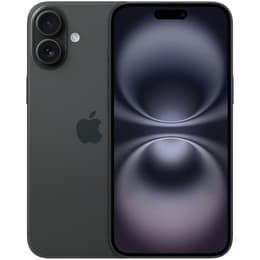
iPhone 16 Plus
iPhone 16 Plus
Starting at

Refurbished price:£503.46

Versus £799.00 new

See options

Ratings

The Samsung Galaxy S21 5G, released in early 2021, and the iPhone 16 Plus, launched in late 2024, represent two distinct eras of smartphone technology. While the Galaxy S21 5G was designed as a compact flagship for the Android ecosystem, the iPhone 16 Plus serves as a large-format option within Apple's iOS lineup.

The primary differences between these devices lie in their physical size, display technology, and the maturity of their internal hardware. Both devices continue to be relevant for users seeking reliable performance, though they cater to distinct ergonomic preferences and software requirements.

Scores

Durability

The age gap between these two models significantly impacts their long-term software viability and overall durability in a modern context.

  • Software Longevity: The iPhone 16 Plus, being a much newer release, is expected to receive official iOS updates and security patches until at least 2030, ensuring access to the latest features and security protocols for years to come. The Galaxy S21 5G is approaching the end of its guaranteed software support cycle, meaning it may soon stop receiving major Android version updates, though security maintenance may continue for a limited time.
  • Physical Durability and Repair: Both manufacturers have established robust repair networks, making it relatively straightforward to replace common components like batteries or screens. Choosing a sustainable choice like a quality-assured refurbished device can extend the functional life of these handsets, reducing electronic waste while maintaining high performance standards.
  • Practical Lifespan: While the Galaxy S21 5G remains a sturdy device, its older internal components may struggle with the increasing demands of future software updates compared to the more future-proof hardware found in the iPhone 16 Plus.

Year of Release

2021

2024

Compatible with latest Update

Yes

Yes

Foldable

No

No

Performance

Evaluating how these devices handle daily tasks reveals the evolution of mobile processing power over a three-year period.

  • Everyday Responsiveness: The iPhone 16 Plus provides a seamless experience when navigating the interface, launching apps instantly and maintaining smooth performance even with dozens of background processes. The Galaxy S21 5G still performs admirably for standard tasks like messaging and web browsing, but users might experience occasional pauses when launching particularly heavy applications or processing high-resolution media.
  • Multitasking and Memory: Both devices are equipped with 8GB of RAM, which is sufficient for efficient multitasking in 2026. However, the more modern architecture in the iPhone 16 Plus allows it to manage these resources more effectively, keeping apps ready in the background for longer periods without needing to reload them.
  • Battery Management: The iPhone 16 Plus benefits from a significantly larger battery and efficient power management, often lasting well into a second day for light users. The Galaxy S21 5G has a smaller battery that, while sufficient for a standard workday, often requires more frequent charging, especially when using features that demand high power consumption.

Memory (GB)

8 GB

8 GB

Screen quality

The viewing experience differs greatly between these two models, focusing on the trade-off between smoothness and sheer screen real estate.

  • Display Fluidity: The Galaxy S21 5G features a high refresh rate of 120Hz, which makes animations and scrolling appear highly smooth and responsive to the touch. In contrast, the iPhone 16 Plus uses a standard 60Hz refresh rate; while the display is sharp and colour-accurate, it lacks the same level of visual fluidity found on the Samsung model.
  • Size and Clarity: Users who prefer a large viewing area for videos or reading will appreciate the 6.7-inch display of the iPhone 16 Plus, which offers ample space and high peak brightness for outdoor visibility. The Galaxy S21 5G provides a more compact 6.2-inch screen that is easier to navigate with one hand while still delivering vibrant colours and deep blacks thanks to its advanced panel technology.
  • Outdoor Use: The iPhone 16 Plus is designed to reach higher brightness levels in direct sunlight, making the screen easier to read in bright environments compared to the Galaxy S21 5G, which remains clear but may struggle slightly more under intense glare.

Resolution

1080 x 2400

1290 x 2796

Screen type

Dynamic AMOLED 2X

Super Retina XDR OLED

Audiovisual

Camera performance and media consumption are areas where both devices show their strengths through different hardware configurations.

  • Photography Versatility: The Galaxy S21 5G includes a dedicated telephoto lens, allowing for clear zoomed-in photos of distant subjects without losing significant detail. The iPhone 16 Plus uses a dual-camera system with a high-resolution main sensor that can crop into images to simulate a zoom effect, though it lacks a physical third lens for dedicated long-range shots.
  • Video and Audio: The iPhone 16 Plus is widely recognised for its stable and high-quality video recording, capturing natural colours and clear audio even in challenging environments. The Galaxy S21 5G also produces excellent video results with various creative modes, though the microphone setup on the newer iPhone tends to isolate voices more effectively during calls and recordings.
  • Media Playback: Both smartphones feature stereo speakers that provide a clear audio experience for watching movies or listening to music. The larger body of the iPhone 16 Plus allows for slightly more resonance and depth in the sound output, while the Galaxy S21 5G offers a balanced and crisp sound profile that is impressive for its smaller size.

Main camera

12 megapixels

48 megapixels

Front camera

10 megapixels

12 megapixels

Miscellaneous

Practical considerations such as connectivity, biometrics, and physical handling play a major role in the daily user experience.

  • Biometrics and Security: The Galaxy S21 5G utilises an ultrasonic fingerprint sensor hidden beneath the display, allowing for quick unlocking even with wet fingers. The iPhone 16 Plus relies on facial recognition technology, which is secure and integrates seamlessly with saved passwords and banking apps, though it requires the user to look directly at the device.
  • Physical Handling: Weighing significantly less and featuring a narrower frame, the Galaxy S21 5G is much easier to use with one hand and fits comfortably in smaller pockets. The iPhone 16 Plus is a substantial device that usually requires two hands for comfortable operation, but its larger size is a deliberate choice for those who prioritise screen space over portability.
  • Connectivity and Ports: Both devices support 5G for fast mobile data and use the universal USB-C port for charging and data transfer. The iPhone 16 Plus includes more modern wireless standards, such as newer versions of Wi-Fi and Bluetooth, which provide more stable connections with compatible accessories and home networks.

Weight

169 g

199 g

Screen size (in)

6.2

6.7

Mobile network

5G

5G

SIM card

Dual Physical SIM + eSIM

Physical SIM + eSIM

Carrier compatibility

Unlocked

Unlocked

Public sentiment on technology forums suggests that both the Galaxy S21 5G and the iPhone 16 Plus have loyal followings for different reasons. Users of the Galaxy S21 5G frequently praise its ergonomic design and the smoothness of its 120Hz display, though some express concerns about the battery life as the device ages. Conversely, iPhone 16 Plus owners often highlight the exceptional battery endurance and the reliability of the iOS ecosystem, while the most common criticism is the lack of a high refresh rate screen.

Users who prioritise a compact, lightweight phone that is easy to use with one hand and offers a fluid visual experience will find the Galaxy S21 5G well-suited to their needs. Those who prefer a large screen for media consumption, require the longest possible battery life, and want a device that will receive software updates for many years should lean toward the iPhone 16 Plus.

Opting for an eco-friendly alternative through refurbishment allows users to access these features while supporting a circular economy. Both devices represent reliable choices for different types of users, and selecting a quality-assured refurbished option ensures a balance between modern functionality and sustainable consumption.
See all articles

Our recent comparisons