
Compare models
Galaxy S25 FE Vs iPhone SE (2022)
- 1-year minimum warranty
- Free delivery on all items
- Free 30-day returns
Differences at a glance
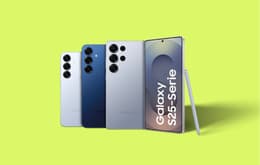
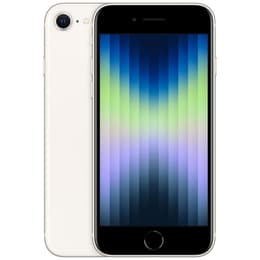
The Samsung Galaxy S25 FE (2025) and the Apple iPhone SE (2022) represent very different approaches to modern smartphone design, catering to distinct user preferences in form factor and operating systems. While the Samsung Galaxy S25 FE offers a contemporary large-screen experience running Android, the iPhone SE (2022) provides a compact, traditional layout powered by iOS. These two devices diverge significantly in their physical footprint, display technology, and release timelines.
Available Models
Colour
Storage (GB)
Scores
Durability
The Samsung Galaxy S25 FE and the iPhone SE (2022) differ substantially in their release timelines, software update horizons, and expected hardware longevity.
- Release Timeline and Software Support: The Galaxy S25 FE launched in late 2025 with Android, securing an extended multi-year update window. The iPhone SE debuted in early 2022 running iOS, meaning its remaining official software support window is closer to conclusion.
- Repairability and Build Durability: Both models utilize robust glass and metal materials, though the Galaxy S25 FE features more contemporary Corning protection. Users seeking long-term hardware support and extended security updates will find the newer Samsung model maintains relevance further into the future.
Year of Release
2025
2022
Compatible with latest Update
Yes
Yes
OS
Android
iOS
Foldable
No
No
Performance
Under daily workloads, both smartphones handle standard tasks smoothly, though they approach multitasking and sustained usage from different hardware baselines.
- System Responsiveness and Multitasking: The Galaxy S25 FE pairs its generous RAM configuration with a current-generation processor, allowing demanding applications and heavy multitasking to run with strong thermal efficiency. The iPhone SE utilizes a capable smaller-footprint processor paired with restricted RAM, handling everyday apps efficiently but running into limitations during intensive, extended workloads.
- Battery Behavior: The Galaxy S25 FE includes a significantly larger battery capacity designed to comfortably clear a full day of mixed use, whereas the smaller battery inside the iPhone SE typically necessitates more frequent charging for heavy users.
Screen quality
Display technology is one of the most prominent points of divergence between these two devices, altering the overall media consumption and viewing experience.
- Display Technology: The Galaxy S25 FE features a vibrant OLED display with deep contrast levels, rich colors, and a high refresh rate that ensures smooth scrolling. The iPhone SE employs a smaller traditional LCD panel with standard refresh rates and wider bezels.
- Outdoor Visibility and Size: The expansive screen real estate on the Samsung device offers ample room for productivity and streaming, supported by high peak brightness for clear outdoor legibility, while the iPhone SE prioritizes a pocket-friendly, single-handed operation layout.
Audiovisual
Imaging capabilities span from single-lens simplicity to versatile multi-camera configurations suited for diverse photographic scenarios.
- Camera System Versatility: The Galaxy S25 FE equips a versatile triple-lens rear setup including a high-resolution main sensor, ultra-wide capabilities, and a dedicated telephoto lens for distant subjects. The iPhone SE relies on a single rear camera lens that delivers reliable everyday shots and computational photography enhancements but lacks optical zoom flexibility.
- Video and Audio Output: Both units handle everyday video recording cleanly with steady stabilization, while the larger stereo speaker configuration on the Galaxy S25 FE provides a more immersive media playback experience compared to the single-oriented speaker setup on the iPhone SE.
Miscellaneous
Physical dimensions, connectivity standards, and daily handling characteristics separate these two devices into distinct ergonomic categories.
- Handling and Portability: The iPhone SE features a lightweight, highly compact body with a physical home button and fingerprint recognition. Conversely, the Galaxy S25 FE is a larger, heavier device utilizing modern under-display biometric sensors and a slim profile.
- Connectivity Standards: Both phones support 5G connectivity and modern wireless protocols, though the Galaxy S25 FE adopts a reversible USB Type-C port standard, while the iPhone SE relies on a proprietary Lightning connector. Choosing a quality-assured refurbished option from sustainable platforms like Back Market provides an eco-friendly alternative for acquiring either device.
Weight
190 g
144 g
Screen size (in)
6.7
4.7
Mobile network
5G
5G
SIM card
Physical SIM + eSIM
Physical SIM + eSIM
Carrier compatibility
Unlocked
Unlocked
Connector
USB-C
Lightning
What the community thinks
User community discussions and long-term feedback highlight distinct patterns of praise and criticism for each device. Owners of the Galaxy S25 FE frequently commend its spacious display, modern refresh rates, and dependable daily battery endurance, though some note its larger physical footprint makes single-handed use challenging. Conversely, iPhone SE (2022) users consistently appreciate its lightweight design, familiar physical home button, and pocket-friendly dimensions, while frequently noting that the compact battery capacity requires regular recharging during heavy usage days.
Users prioritizing extended screen space, multi-lens camera versatility, and modern high-refresh-rate viewing will find the Galaxy S25 FE well-suited to their needs. Meanwhile, users who favor a compact form factor, physical navigation buttons, and the iOS ecosystem may lean toward the iPhone SE (2022). Exploring quality-assured refurbished options provides a practical and sustainable way to access either model without compromise.