Galaxy A16 5G Vs iPhone 14 Pro

Galaxy A16 5G
Galaxy A16 5G
Starting at

Refurbished price:£103.00

Versus £205.87 new

See options
iPhone 14 Pro
iPhone 14 Pro
Starting at

Refurbished price:£304.00

Versus £1,099.00 new

See options

Ratings

The Samsung Galaxy A16 5G (2024) and the Apple iPhone 14 Pro (2022) represent two different approaches to the modern smartphone experience. While the Galaxy A16 5G is a contemporary entry-level device focusing on longevity and a large display, the iPhone 14 Pro is a former flagship that prioritises high-end photography and processing power. These devices operate on different ecosystems—Android and iOS respectively—offering distinct user interfaces and app stores.

Scores

Durability

The two devices offer different strengths regarding their physical build and long-term software viability in the current landscape.

  • Software Longevity: The Galaxy A16 5G is notable for its commitment to six years of operating system and security updates, potentially keeping the device current until 2030. The iPhone 14 Pro typically receives six to seven years of support from its launch date, meaning it may reach its final major update around 2028 or 2029.
  • Physical Construction: The iPhone 14 Pro features a stainless steel frame and a glass back, providing a dense and sturdy feel in the hand. In contrast, the Galaxy A16 5G utilises a plastic construction, which is lighter and may be more resilient to impact than glass, though it lacks the same rigidity.
  • Repairability: Both manufacturers have established repair programmes, though the Galaxy A16 5G's simpler internal design often makes certain components, like the screen or battery, more straightforward for technicians to access compared to the more complex internal layout of the iPhone 14 Pro.

Year of Release

2024

2022

Compatible with latest Update

Yes

Yes

OS

Android

iOS

Foldable

No

No

Performance

Everyday responsiveness and multitasking capabilities differ based on the intended use cases for each smartphone and their respective hardware optimisations.

  • System Responsiveness: The iPhone 14 Pro is designed to handle intensive tasks such as high-resolution video editing and complex mobile gaming with high frame rates. The Galaxy A16 5G is tailored for standard daily activities like web browsing, social media, and streaming, where it maintains a steady pace without the same level of overhead for demanding applications.
  • Battery Endurance: With a large 5,000mAh battery, the Galaxy A16 5G is built to last through a full day of heavy use or up to two days of light use. The iPhone 14 Pro has a smaller battery capacity but benefits from efficient power management, generally requiring a daily charge for most active users.
  • Multitasking and Storage: The iPhone 14 Pro offers high memory efficiency, allowing users to switch between many open apps quickly. Both devices provide various storage capacities, though the Galaxy A16 5G includes a slot for expandable storage, whereas the iPhone 14 Pro relies solely on its internal capacity.

Memory (GB)

4 GB

6 GB

Screen quality

Display technology impacts everything from reading text in sunlight to watching high-definition videos on the go.

  • Display Technology and Smoothness: The iPhone 14 Pro uses an advanced OLED panel with a variable refresh rate that reaches 120Hz, resulting in fluid scrolling and animations. The Galaxy A16 5G also features an AMOLED screen, providing deep blacks and vibrant colours, with a 90Hz refresh rate that offers a smoother experience than standard screens.
  • Size and Visibility: The Galaxy A16 5G provides a larger 6.7-inch viewing area, which is beneficial for users who prefer larger text or more immersive video playback. The iPhone 14 Pro has a smaller 6.1-inch screen but reaches higher peak brightness levels, making it easier to view clearly under direct, bright sunlight.
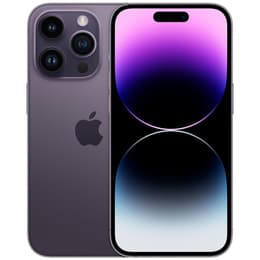
  • Interface Features: The iPhone 14 Pro introduces a dynamic interface element at the top of the screen that adapts to show notifications and background activity, while the Galaxy A16 5G uses a more traditional notch design for the front camera.

Resolution

1080 x 2340

1179 x 2556

Screen type

Super AMOLED

LTPO Super Retina XDR OLED

Audiovisual

Photography and media consumption are areas where these two devices diverge significantly in terms of hardware complexity and lens variety.

  • Camera Versatility: The iPhone 14 Pro features a triple-lens system including a dedicated telephoto lens for 3x optical zoom, allowing for clear close-up shots without losing detail. The Galaxy A16 5G also has three rear cameras, but focuses on a high-resolution main sensor and an ultra-wide lens, lacking a dedicated optical zoom capability.
  • Video and Low Light: For video recording, the iPhone 14 Pro supports advanced stabilisation and professional-grade formats that capture more detail in shadows and highlights. The Galaxy A16 5G performs well in bright daylight, but users will notice more grain and less detail in low-light environments compared to the iPhone's larger sensors.
  • Audio Experience: The iPhone 14 Pro is equipped with a stereo speaker system that provides a wide soundstage for movies and music. The Galaxy A16 5G typically relies on a more standard speaker setup, which is clear for calls and podcasts but offers less depth for media consumption.

Main camera

50 megapixels

48 megapixels

Front camera

13 megapixels

12 megapixels

Miscellaneous

Practical features like connectivity and physical handling play a significant role in the user's daily routine and long-term comfort.

  • Connectivity and Ports: The Galaxy A16 5G uses a universal USB-C port for charging and data transfer, which is compatible with most modern electronics. The iPhone 14 Pro uses a Lightning port, requiring specific cables. Both devices support 5G networks for fast mobile data speeds.
  • Biometrics and Security: Security is handled differently on each; the iPhone 14 Pro uses facial recognition technology to unlock the device, while the Galaxy A16 5G features a fingerprint sensor integrated into the power button on the side.
  • Dimensions and Weight: Despite its larger screen, the Galaxy A16 5G's plastic build keeps its weight manageable. The iPhone 14 Pro is smaller in dimensions but feels heavier due to the stainless steel materials, which some users find provides a more grounded feel during one-handed use.

Weight

200 g

206 g

Screen size (in)

6.7

6.1

Mobile network

5G

5G

SIM card

Dual Physical SIM

Physical SIM + eSIM

Carrier compatibility

Unlocked

Unlocked

Connector

USB-C

Lightning

User feedback on these devices highlights their distinct positions in the market. Owners of the Galaxy A16 5G frequently praise the device for its impressive battery life and the extended software support for its category. Some users note that it can feel slower when many apps are open simultaneously. iPhone 14 Pro users often highlight the high camera quality and the smoothness of the interface, though some mention the weight of the device and the transition to the new interface cutout as points of adjustment.

Users who prioritise a large screen for media, long-lasting battery life, and a device that will receive software updates for many years may find the Galaxy A16 5G fits their needs well. Conversely, those who require high-performance processing for gaming, professional-level photography tools, and a more compact form factor will likely lean toward the iPhone 14 Pro. Both devices remain capable options in 2026, catering to different priorities without compromising on core functionality.

For those looking to make an eco-friendly choice, selecting a quality-assured refurbished option is an excellent way to extend the life of these electronics. Choosing a refurbished iPhone 14 Pro or Galaxy A16 5G serves as a sustainable choice that reduces electronic waste while providing a reliable smartphone experience.


See all articles

Our recent comparisons