iPhone 13 mini Vs iPhone 16 Pro

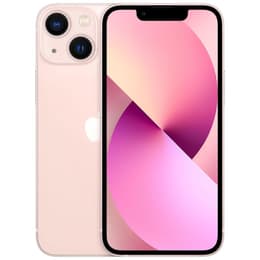
iPhone 13 mini
iPhone 13 mini
Starting at

Refurbished price:£186.00

Versus £649.00 new

See options
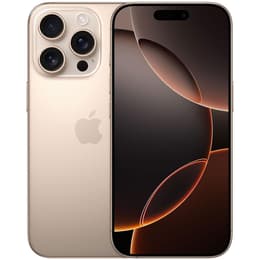
iPhone 16 Pro
iPhone 16 Pro
Starting at

Refurbished price:£564.00

Versus £999.00 new

See options

Ratings

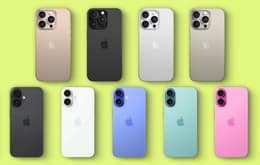
The iPhone 13 Mini (2021) and the iPhone 16 Pro (2024) represent two very different philosophies within the Apple smartphone ecosystem. While the iPhone 13 Mini was designed for users seeking a compact, one-handed experience, the iPhone 16 Pro is a larger, feature-rich device aimed at those who want the latest advancements in display and camera technology. Both run on the iOS operating system, though the iPhone 16 Pro launched with a much newer version, offering a more modern software experience out of the box. This comparison explores how these two distinct models serve different user needs, focusing on their practical differences in daily use.

Scores

Durability

The three-year age gap between these two devices significantly impacts their expected software support and physical longevity in a rapidly evolving tech landscape.

  • Software Longevity: The iPhone 16 Pro, being released much later, is expected to receive iOS updates and critical security patches much further into the future than the iPhone 13 Mini, which is already several years into its lifecycle.
  • Repairability and Parts: Both devices feature a glass and metal construction, but the iPhone 16 Pro benefits from internal design changes that make certain repairs, like battery or back glass replacement, more straightforward for professional technicians.
  • Practical Lifespan: While the iPhone 13 Mini remains a capable device today, its older hardware means it will likely reach its end-of-life for major feature updates sooner, whereas the iPhone 16 Pro is built for long-term use well into the late 2020s.

Year of Release

2021

2024

Compatible with latest Update

Yes

Yes

Foldable

No

No

Performance

Performance differences are most noticeable when handling demanding tasks or multitasking between several resource-heavy applications throughout a busy day.

  • System Responsiveness: The iPhone 16 Pro handles intensive tasks like high-resolution video editing and modern gaming with greater ease, showing less heat buildup and fewer slowdowns compared to the iPhone 13 Mini during sustained use.
  • Battery Endurance: Due to its larger physical size, the iPhone 16 Pro houses a significantly bigger battery, providing much longer usage times between charges, whereas the iPhone 13 Mini requires more frequent charging for active users.
  • Multitasking Efficiency: With more internal memory, the iPhone 16 Pro keeps more apps open in the background without needing to refresh them, leading to a smoother experience for professionals who switch between tools constantly.

Memory (GB)

4 GB

8 GB

Screen quality

The viewing experience is perhaps the most immediate difference between these two smartphones, affecting everything from reading text to watching high-definition videos.

  • Display Size and Immersion: The iPhone 16 Pro features a 6.3-inch screen that offers significantly more room for content, while the 5.4-inch iPhone 13 Mini prioritises portability and ease of use with one hand.
  • Motion Smoothness: The iPhone 16 Pro utilises technology that allows the screen to refresh more frequently, resulting in smoother scrolling and more fluid animations that are not present on the standard iPhone 13 Mini display.
  • Outdoor Visibility: In bright sunlight, the iPhone 16 Pro can reach much higher brightness levels, making the screen easier to read outdoors compared to the iPhone 13 Mini, which may struggle in direct glare.

Resolution

1080 x 2340

1206 x 2622

Screen type

Super Retina XDR OLED

LTPO Super Retina XDR OLED

Audiovisual

The camera systems reflect the three-year gap in development, with the iPhone 16 Pro offering a more versatile array of lenses and sensors for photography enthusiasts.

  • Zoom Capabilities: The iPhone 16 Pro includes a dedicated telephoto lens for high-quality zoomed-in photos, a feature entirely absent on the iPhone 13 Mini, which relies on digital cropping that can reduce image clarity.
  • Low-Light Performance: Larger sensors on the iPhone 16 Pro allow it to capture more light, resulting in clearer, more detailed photos in dark environments with less visual noise than the iPhone 13 Mini.
  • Video and Audio: The iPhone 16 Pro supports more advanced video recording formats and features improved microphone arrays that better isolate voices from background noise during recordings or video calls.

Main camera

12 megapixels

48 megapixels

Front camera

12 megapixels

12 megapixels

Miscellaneous

Practical hardware differences like ports and physical buttons change how users interact with these devices and their existing accessories daily.

  • Connectivity and Ports: The iPhone 16 Pro uses a universal USB-C port for charging and data transfer, whereas the iPhone 13 Mini uses the older Lightning connector, which may require different cables for those with modern accessories.
  • Physical Controls: The iPhone 16 Pro introduces a customisable Action button and a dedicated camera control sensor, providing quicker access to specific functions compared to the traditional mute switch on the iPhone 13 Mini.
  • Weight and Handling: The iPhone 13 Mini is exceptionally light and small, fitting easily into any pocket, while the iPhone 16 Pro is noticeably heavier and larger, requiring a more deliberate grip and larger pockets.

Weight

140 g

199 g

Screen size (in)

5.4

6.3

Mobile network

5G

5G

SIM card

Physical SIM + eSIM

Physical SIM + eSIM

Carrier compatibility

Unlocked

Unlocked

Connector

Lightning

USB-C (USB 3)

User feedback highlights a clear divide between these two models. The iPhone 13 Mini is frequently praised in community forums for its unique size, with many users expressing a deep preference for its "pocketability" and ease of one-handed use. However, some users note that its smaller battery capacity can be a challenge for heavy daily use. Conversely, the iPhone 16 Pro receives consistent praise for its exceptional display quality and camera versatility, though some find its larger size and increased weight a significant adjustment after using smaller phones.

Users who prioritise a compact form factor and primarily use their phone for messaging, light browsing, and social media will find the iPhone 13 Mini a well-suited fit for their lifestyle. Those who require a device for professional-grade photography, intensive mobile gaming, or all-day battery life will likely lean toward the iPhone 16 Pro. Choosing a quality-assured refurbished option for either model is a sustainable choice that helps reduce electronic waste while providing a reliable device. Ultimately, the decision rests on whether you value the convenience of a small device or the advanced capabilities of a modern flagship. This comparison aims to help you make an informed, eco-friendly alternative choice for your next smartphone.
See all articles

Our recent comparisons