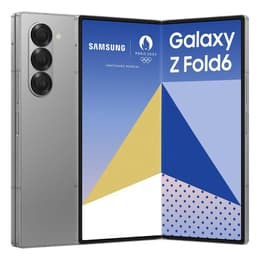
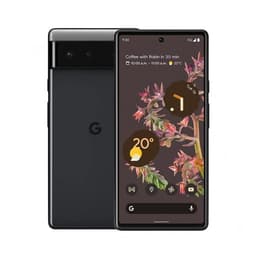

Galaxy Z Fold6 Vs Google Pixel 6

Galaxy Z Fold6
Galaxy Z Fold6
Starting at

Refurbished price:£524.00

Versus £1,685.59 new

See options
Google Pixel 6
Google Pixel 6
Starting at

Refurbished price:£101.00

Versus £649.99 new

See options

Ratings

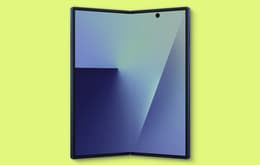
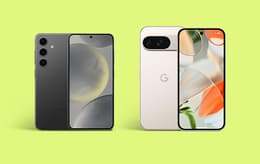
The Samsung Galaxy Z Fold6 (2024) and the Google Pixel 6 (2021) represent distinct approaches to the modern smartphone experience. While both operate on the Android platform, the Z Fold6 stands out with its innovative foldable design, offering a larger, adaptable screen, whereas the Pixel 6 provides a more traditional, streamlined smartphone form factor. These devices cater to different user priorities, with the Z Fold6 focusing on productivity and immersive viewing, and the Pixel 6 emphasizing a pure Android experience and advanced computational photography.

Scores

Durability

The lifespan of a smartphone is influenced by its release timeline, software support, and physical resilience.

  • Release Timeline: The Galaxy Z Fold6, released in July 2024, benefits from being a much newer device compared to the Google Pixel 6, which launched in October 2021. This three-year difference significantly impacts their respective software support cycles and the longevity of their internal components.
  • Software Longevity: Samsung has committed to providing 7 years of operating system and security updates for the Galaxy Z Fold6, ensuring it receives new features and security patches well into the future. The Google Pixel 6, on the other hand, typically receives 5 years of updates from its release date, meaning its software support is nearing its conclusion. Users prioritizing extended software support will find the Z Fold6 offers a longer period of guaranteed updates.
  • Physical Durability: The Z Fold6 features Corning Gorilla Glass Victus 2 on its cover screen and back panel, along with an Ultra-Thin Flexible Glass (UTG) for its inner display, and boasts an IP48 rating for dust and water resistance. Its hinge is designed to withstand 200,000 folds. The Pixel 6 utilizes Gorilla Glass Victus on its front and Gorilla Glass 6 on its back, offering IP68 dust and water resistance. While foldable phones inherently introduce a moving part, the Z Fold6's design includes specific protections for its unique form factor.

Year of Release

2024

2021

Compatible with latest Update

Yes

Yes

OS

Android

Android

Foldable

Yes

No

Performance

Performance in smartphones is determined by how efficiently the device handles tasks, from everyday app usage to demanding applications and multitasking.

  • Processing Power: The Galaxy Z Fold6 is equipped with a current-generation processor designed for high performance, enabling smooth operation across various applications, including intensive gaming and complex multitasking. The Google Pixel 6, featuring its custom-designed processor, delivers a responsive experience for daily tasks and excels in AI-driven functions. However, the Pixel 6's processor, being an earlier generation, may exhibit reduced sustained performance under prolonged heavy loads.
  • Multitasking and Responsiveness: With 12GB of RAM, the Galaxy Z Fold6 is well-suited for extensive multitasking, allowing users to run numerous applications simultaneously and switch between them without noticeable delays. The Pixel 6 comes with 8GB of RAM, providing sufficient capacity for typical smartphone usage and efficient app management. The Z Fold6 also incorporates a larger vapor chamber for improved thermal management, which can contribute to more consistent performance during demanding use.
  • Storage Options: The Z Fold6 offers a range of storage capacities, including 256GB, 512GB, and 1TB, catering to users with significant storage needs for apps, media, and files. The Pixel 6 is available with 128GB or 256GB of internal storage, which is ample for many users but offers less maximum capacity than the Z Fold6.

Memory (GB)

12 GB

8 GB

Screen quality

The display is a primary interaction point, and differences in technology, size, and refresh rate significantly impact the user experience.

  • Display Technology and Size: The Galaxy Z Fold6 features a unique dual-screen setup: a 7.6-inch foldable Dynamic LTPO AMOLED 2X main display and a 6.3-inch Dynamic AMOLED 2X cover screen. Both offer vibrant colors, deep blacks, and high brightness. The Google Pixel 6 has a single 6.4-inch FHD+ OLED display, providing a clear and colorful viewing experience in a traditional form factor. The Z Fold6's larger inner screen provides an expansive canvas for productivity and media consumption.
  • Resolution and Clarity: The Z Fold6's main display has a resolution of 1856 x 2160 pixels (~374 ppi), while its cover screen is 2376 x 968 pixels (410 ppi), offering sharp visuals. The Pixel 6's display has a resolution of 1080x2400 pixels (411 ppi), delivering crisp images and text. Both devices provide sufficient clarity for everyday viewing, though the Z Fold6's main screen offers a larger, more immersive canvas.
  • Refresh Rate and Brightness: Both displays on the Z Fold6 support an adaptive refresh rate of up to 120Hz, contributing to smooth scrolling and fluid animations, with a peak brightness of 2600 nits for excellent outdoor visibility. The Pixel 6 features a 90Hz refresh rate, which provides a smoother experience than standard 60Hz displays, and its OLED panel offers good brightness for outdoor use.

Resolution

1856 x 2160

1080 x 2400

Screen type

Foldable Dynamic LTPO AMOLED 2X

AMOLED

Audiovisual

Camera capabilities are a key consideration for many users, encompassing hardware, software processing, and overall image and video quality.

  • Rear Camera Systems: The Galaxy Z Fold6 features a versatile triple-camera system on the rear, including a 50MP wide-angle lens with optical image stabilization (OIS), a 12MP ultrawide lens, and a 10MP telephoto lens with 3x optical zoom and OIS. The Google Pixel 6 has a dual-camera setup, comprising a 50MP wide-angle lens with OIS and a 12MP ultrawide lens. The Z Fold6 offers greater zoom flexibility with its dedicated telephoto lens.
  • Computational Photography and Features: The Pixel 6 is renowned for its advanced computational photography, including features like Real Tone for accurate skin representation, Magic Eraser for object removal, and Face Unblur. The Z Fold6 also incorporates advanced AI-driven image processing with its ProVisual Engine, Super HDR, Nightography, and Generative Edit features, enhancing photo quality and offering creative editing options.
  • Video Recording and Selfie Cameras: The Z Fold6 supports video recording up to 8K at 30fps and 4K at 60fps. It has a 10MP camera on the cover screen and a 4MP under-display camera on the main screen for selfies and video calls. The Pixel 6 records 4K video at 30 or 60fps and includes an 8MP front-facing camera. The Z Fold6's unique form factor allows for using the main rear cameras for high-quality selfies when unfolded.

Main camera

50 megapixels

50 megapixels

Front camera

4 megapixels

8 megapixels

Miscellaneous

Beyond core features, several practical elements contribute to the overall user experience and device utility.

  • Connectivity and Ports: Both devices support 5G connectivity, Wi-Fi 6E, and Bluetooth for wireless communication. The Galaxy Z Fold6 features Bluetooth 5.3, while the Pixel 6 uses Bluetooth 5.2. Both utilize a USB-C port for charging and data transfer.
  • Biometric Security and Audio: The Z Fold6 includes an under-display fingerprint sensor and facial recognition for secure unlocking. The Pixel 6 also features an under-display fingerprint sensor. Both devices offer stereo speakers for an enhanced audio experience during media consumption.
  • Design and Handling: The Galaxy Z Fold6, as a foldable, has distinct dimensions and weight: 239g, measuring 153.5 x 68.1 x 12.1mm when folded and 153.5 x 132.6 x 5.6mm when unfolded. Its design allows for a compact form factor when closed and an expansive tablet-like experience when open. The Pixel 6 is a traditional slab phone, weighing 207g and measuring 158.6 x 74.8 x 8.9mm, offering a familiar and comfortable grip for single-handed use. The Z Fold6 also supports S Pen input on its main display, though the stylus is sold separately.

Weight

239 g

207 g

Screen size (in)

7.6

6.4

Mobile network

5G

5G

SIM card

Dual Physical SIM + eSIM

Physical SIM + eSIM

Carrier compatibility

Unlocked

Unlocked

The choice between the Samsung Galaxy Z Fold6 and the Google Pixel 6 largely depends on individual priorities and how a user intends to interact with their device. Users frequently praise the Galaxy Z Fold6 for its innovative foldable design, which offers a large, immersive screen for productivity and media, effectively combining a smartphone and a small tablet. Its robust build quality, including a durable hinge and enhanced dust and water resistance, is often highlighted as a significant improvement in foldable technology. The extended software support and powerful internal components also receive positive feedback, ensuring a long and capable lifespan. However, some users note that while its camera system is versatile, it may not always match the absolute peak performance of dedicated non-foldable camera-centric phones.

Conversely, the Google Pixel 6 is widely lauded for its exceptional camera capabilities, particularly its computational photography features that consistently produce high-quality images. Users appreciate its clean Android experience and the integration of Google's AI features for smart functionalities. The Pixel 6's performance for everyday tasks is generally considered smooth and reliable. Criticisms sometimes point to its battery life, which some heavy users find requires more frequent charging, and the under-display fingerprint sensor has received mixed feedback regarding its responsiveness.

Users prioritizing a cutting-edge, adaptable display for multitasking, content creation, or immersive viewing experiences may find the Galaxy Z Fold6 well-suited to their needs. Its longer software support and more recent hardware also make it a compelling choice for those seeking a device with a longer practical lifespan. On the other hand, users who value a straightforward, high-performing camera, a pure Android software experience, and a traditional smartphone form factor will likely lean towards the Google Pixel 6. Both devices offer distinct advantages, and considering a quality-assured refurbished option for either model can provide an eco-friendly alternative for informed purchasing decisions.
See all articles

Our recent comparisons