
Compare models
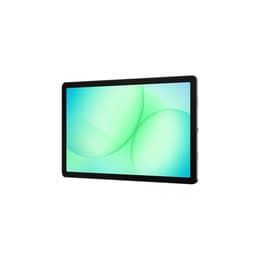
Galaxy Tab A11+ (11.0", 2025) Vs Galaxy Tab S9 (11.0", 2023)
- 1-year minimum warranty
- Free delivery on all items
- Free 30-day returns
Differences at a glance
The Samsung Galaxy Tab A11+ (2025) and Samsung Galaxy Tab S9 (2023) are 11-inch Android tablets designed for distinct tiers of portable computing. While both devices share the same screen diagonal, they differ significantly in their internal capabilities, display engineering, and software lifecycles. The Galaxy Tab A11+ runs on newer Android software out of the box, whereas the Galaxy Tab S9 positions itself with flagship hardware features and robust performance architecture.
Available Models
Colour
Storage
Scores
Durability
When comparing longevity and durability, both tablets offer reliable long-term support profiles but differ in release timing and physical build standards.
- Software update timeline: The Galaxy Tab A11+ benefits from an extended software support window matching modern release standards, while the Galaxy Tab S9 operates on an established multi-year update schedule nearing its mid-lifecycle phase.
- Build materials and physical protection: The Galaxy Tab S9 utilizes high-grade aluminum framing with an official water and dust resistance rating, whereas the Galaxy Tab A11+ relies on standard consumer tablet construction suited for everyday indoor handling.
- Expected practical lifespan: Both models maintain stable daily usability for general tasks over several years, though the Galaxy Tab S9's heavy-duty internal configuration provides extra headroom for sustained performance over time.
Year of Release
2025
2023
Compatible with latest Update
Yes
Yes
OS
Android
Android
Performance
Daily operation and speed profiles vary due to the different processing tiers and hardware architectures built into each tablet.
- Multitasking and system responsiveness: The Galaxy Tab S9 handles intensive applications, heavy mobile gaming, and complex split-screen tasks smoothly, while the Galaxy Tab A11+ manages everyday web browsing, streaming, and light productivity apps efficiently.
- Battery behavior: The Galaxy Tab S9 features a larger capacity power cell designed for sustained high-demand usage, whereas the Galaxy Tab A11+ relies on a moderately sized battery tailored for standard daily media consumption and reading routines.
- Storage configuration: Both devices offer expandable storage slots via microSD cards alongside generous internal capacity tiers, ensuring ample space for offline files and applications.
Screen quality
The visual experience differs notably between the two models due to contrasting display panel technologies and refresh capabilities.
- Display technology: The Galaxy Tab S9 incorporates a vibrant OLED screen delivering deep contrast levels and rich color reproduction, whereas the Galaxy Tab A11+ uses a standard TFT LCD panel optimized for clear everyday viewing.
- Motion and smoothness: Both tablets support elevated refresh rates above standard levels, ensuring smooth scrolling through web pages, documents, and user interface menus.
- Outdoor usability: The Galaxy Tab S9 achieves higher peak brightness levels for comfortable visibility under direct sunlight, while the Galaxy Tab A11+ performs well in indoor and shaded environments.
Resolution
1920 x 1200
1600 x 2560
Pixel density
180ppp
280ppp
Audiovisual
Media consumption, audio output, and camera capabilities reflect the different market segments targeted by each device.
- Camera system: The Galaxy Tab S9 includes capable front and rear sensors suitable for scanning documents and casual video calls, while the Galaxy Tab A11+ features standard camera hardware meant for basic snapshots and virtual meetings.
- Speaker output: Both models integrate multi-speaker sound systems enhanced with spatial audio software, providing clear dialogue and immersive audio for videos and music.
- Microphone performance: Built-in multi-directional microphones on both tablets isolate voice input effectively during conference calls and voice recordings.
Miscellaneous
Connectivity standards and physical characteristics shape how each device fits into travel and daily routines.
- Port types and accessories: The Galaxy Tab S9 supports high-speed data transfer and video output through its advanced USB port, alongside bundled stylus support, while the Galaxy Tab A11+ provides standard connectivity ports and a traditional headphone jack.
- Security sensors: The Galaxy Tab S9 features an under-display biometric fingerprint scanner, whereas the Galaxy Tab A11+ utilizes alternative facial recognition and standard security options.
- Dimensions and handling: Both tablets share an identical 11-inch screen footprint, but the Galaxy Tab S9 maintains a slightly thinner profile while remaining lightweight for comfortable handheld use.
Weight
335 g
129 g
Screen size (in)
11.0
11.0
Network
Wi-Fi
Wi-Fi + 5G
Carrier compatibility
Without SIM Port
Unlocked
Connector
USB Type-C
USB Type-C
What the community thinks
User feedback from online communities highlights distinct preferences for each device based on everyday use cases. Owners of the Galaxy Tab S9 frequently praise its immersive display quality, smooth processing speeds for gaming, and included precision stylus. Conversely, users of the Galaxy Tab A11+ appreciate its clean modern interface, reliable battery performance for daily reading, and overall simplicity for media streaming.
Users prioritizing high-end graphics, advanced creative tools, and premium build durability may find the Galaxy Tab S9 well-suited to their needs. Meanwhile, users focusing on straightforward web browsing, casual video viewing, and up-to-date software foundations will lean toward the Galaxy Tab A11+. For those seeking a quality-assured refurbished option, exploring sustainable choices on Back Market provides an eco-friendly alternative for acquiring either model without compromising on performance reliability.