Samsung Tab
Compare models
Differences at a glance
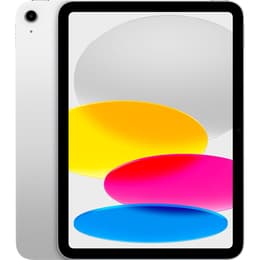
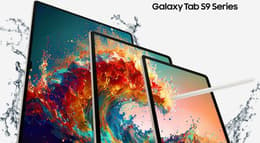
The Samsung Galaxy Tab S9, released in August 2023, and the Apple iPad (11th generation), launched in March 2025, represent two distinct approaches to the tablet experience. While both devices offer robust performance for everyday tasks and creative endeavors, they differ significantly in their display technology, operating systems, and ecosystem integration. The Galaxy Tab S9 runs on Android, providing a customizable interface and multitasking capabilities, whereas the iPad operates on iPadOS, known for its intuitive design and strong app ecosystem.
Colour
Storage
When considering the long-term usability of a tablet, software support and physical resilience are key factors. The Galaxy Tab S9, released in August 2023, typically receives four years of major Android operating system updates and five years of security updates from Samsung. [29, 34] This ensures compatibility with newer applications and ongoing security protections for a considerable period. The iPad (11th generation), launched in March 2025, benefits from Apple's reputation for extended software support, generally receiving five to seven years of iPadOS updates, with security updates often continuing for eight to ten years. [25, 27, 33]
Year of Release
Compatible with latest Update
OS
The performance of a tablet is central to its user experience, influencing everything from app responsiveness to handling demanding tasks. The Galaxy Tab S9 is equipped with a powerful processor designed for high-end Android devices, enabling smooth multitasking, efficient handling of graphics-intensive applications, and responsive gaming. [1, 6, 8] The iPad (11th generation) features an Apple-designed chip, which provides a capable foundation for iPadOS, ensuring fluid navigation, quick app launches, and consistent performance across a wide range of applications. [19, 26, 36]
The display is a primary interface for any tablet, and both the Galaxy Tab S9 and the iPad (11th generation) offer clear and engaging viewing experiences, though they utilize different technologies. The Galaxy Tab S9 features an 11-inch Dynamic AMOLED 2X display, known for its deep blacks, vibrant colors, and high contrast ratios. [1, 9, 22, 23] This display also boasts a 120Hz refresh rate, contributing to smoother scrolling and more fluid animations. The iPad (11th generation) comes with a 10.9-inch Liquid Retina IPS LCD, which provides accurate color reproduction and good brightness levels. [19, 36, 37]
Resolution
Screen type
Pixel density
Tablet cameras are often utilized for video calls, document scanning, and casual photography, and both devices are equipped to handle these tasks effectively. The Galaxy Tab S9 includes a 13-megapixel main camera on the rear and a 12-megapixel ultrawide camera on the front. [1, 6, 8, 9, 11, 22] The iPad (11th generation) features a 12-megapixel wide camera on the rear and a 12-megapixel landscape-oriented front camera with Center Stage. [19, 36, 37]
Beyond core specifications, several practical features contribute to the overall usability and versatility of a tablet. Both the Galaxy Tab S9 and the iPad (11th generation) offer modern connectivity options and thoughtful design elements that enhance their daily functionality. The Galaxy Tab S9 includes an S Pen in the box, providing a tool for note-taking, drawing, and navigation. [6, 10, 23] The iPad supports the Apple Pencil (USB-C) and Apple Pencil (1st generation), which are sold separately. [19, 36]
Weight
Screen size (in)
Network
Carrier compatibility
The Samsung Galaxy Tab S9 and the Apple iPad (11th generation) cater to users with varying preferences and priorities. Users often praise the Galaxy Tab S9 for its vibrant Dynamic AMOLED 2X display with a 120Hz refresh rate, which makes media consumption and creative work particularly engaging. [9, 23] The inclusion of the S Pen in the box is also a frequently highlighted advantage for those who value stylus input. Some users, however, note that while the battery life is good, the high-refresh-rate AMOLED screen can lead to quicker drain during intensive use. [9, 41]
The iPad (11th generation) is often commended for its seamless integration within the Apple ecosystem and its consistent, user-friendly iPadOS experience. Its long-term software support is a significant draw for users seeking a device that remains updated and secure for many years. [25, 27, 33] Criticisms sometimes point to the 60Hz LCD display, which, while capable, does not offer the same visual fluidity as higher refresh rate OLED panels. The separate purchase of the Apple Pencil is also a consideration for those requiring stylus functionality.
Users prioritizing a superior display for entertainment and creative tasks, along with an included stylus and expandable storage, may find the Galaxy Tab S9 to be a compelling choice. Its Android operating system also offers greater customization. Conversely, individuals who value extended software longevity, a highly optimized app ecosystem, and the familiarity of iPadOS will likely lean towards the iPad (11th generation). Both devices are robust options, and considering a quality-assured refurbished option for either can be an eco-friendly alternative to purchasing new.