
Compare models
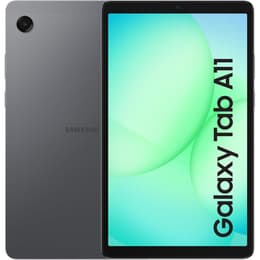
Galaxy Tab A11 (8.7", 2025) Vs Galaxy Tab S9 (11.0", 2023)
- 1-year minimum warranty
- Free delivery on all items
- Free 30-day returns
Differences at a glance
The Samsung Galaxy Tab A11 (8.7", 2025) and the Samsung Galaxy Tab S9 (11.0", 2023) represent different tiers and form factors within Samsung's tablet lineup. While the Galaxy Tab A11 is designed as a compact, portable device for everyday utility, the Galaxy Tab S9 serves as a larger, flagship-tier media and productivity machine. These tablets differ significantly in physical size, screen technology, and performance capacity, while operating on versions of Samsung's One UI software built on Android.
Available Models
Colour
Storage
Scores
Durability
When examining longevity and physical endurance, both tablets offer distinct update pathways and construction builds suited to their respective release years.
- Software Support: The newer Galaxy Tab A11 benefits from an extended software update timeline characteristic of recent device releases, while the Galaxy Tab S9 relies on its established flagship support lifecycle.
- Build and Repairability: The Galaxy Tab S9 features flagship-grade aluminum framing with official water resistance certification, whereas the Galaxy Tab A11 utilizes a lightweight chassis tailored for everyday handling and portability.
- Lifespan Expectations: Both models deliver stable multi-year utility, though hardware headroom allows the Galaxy Tab S9 to sustain demanding background processes over a longer duration.
Year of Release
2025
2023
Compatible with latest Update
Yes
Yes
OS
Android
Android
Performance
Underneath the surface, these devices handle daily apps and multitasking with different resource allocations based on their hardware architecture.
- Multitasking and Responsiveness: The Galaxy Tab S9 handles heavy gaming and intense multi-window workflows smoothly due to its high-tier processor and generous RAM configuration, while the Galaxy Tab A11 adequately manages web browsing, streaming, and casual apps.
- Storage and Memory: The Galaxy Tab A11 typically starts with modest baseline storage configurations paired with expandable card slots, whereas the Galaxy Tab S9 provides higher baseline memory and storage bandwidth for resource-heavy tasks.
- Battery Behavior: The Galaxy Tab A11's smaller battery capacity requires more frequent recharging during continuous media consumption, while the Galaxy Tab S9 balances its larger screen draw with an energy-efficient high-capacity power cell.
Screen quality
Visual output represents one of the most prominent divergences between these two models in terms of daily user experience.
- Display Technology: The Galaxy Tab S9 features an advanced OLED screen delivering deep contrast levels and vibrant colors, whereas the Galaxy Tab A11 uses a standard TFT LCD panel with a smooth refresh rate for fluid scrolling.
- Brightness and Outdoor Use: The Galaxy Tab S9 achieves higher peak brightness levels for clear outdoor visibility, while the Galaxy Tab A11 remains well-suited for indoor reading and standard lighting environments.
- Viewing Area: The Galaxy Tab S9 offers an expansive 11-inch canvas ideal for split-screen productivity, contrasted with the compact 8.7-inch form factor of the Galaxy Tab A11 which facilitates effortless one-handed holding.
Resolution
800x1340
1600 x 2560
Pixel density
180ppp
280ppp
Audiovisual
Media recording, audio playback, and optical capabilities vary to match each tablet's intended usage profile.
- Camera Systems: The Galaxy Tab S9 houses higher-resolution front and rear sensors capable of detailed documentation and clear video calls, while the Galaxy Tab A11 provides basic single-lens cameras adequate for casual snapshots and quick scanning.
- Audio Output: Equipped with robust multi-speaker arrays tuned for media consumption, the Galaxy Tab S9 delivers immersive sound, whereas the Galaxy Tab A11 features standard stereo speakers alongside a traditional headphone jack.
- Microphone Clarity: Both devices capture clear audio for virtual meetings and voice notes, though higher-end noise filtering on the Galaxy Tab S9 performs better in busy environments.
Miscellaneous
Practical daily usability is shaped by connectivity standards, physical dimensions, and accessory compatibility.
- Portability and Weight: Weighing significantly less and featuring a narrower footprint, the Galaxy Tab A11 slips easily into small bags, whereas the wider Galaxy Tab S9 prioritizes screen estate over ultra-light portability.
- Connectivity Options: Both models offer reliable Wi-Fi protocols and Bluetooth pairing, with select variants providing cellular network support for internet access away from home routers.
- Peripherals: The Galaxy Tab S9 includes stylus support out of the box with magnetic charging integration, while the Galaxy Tab A11 functions primarily as a touch-driven portable viewer.
Weight
335 g
129 g
Screen size (in)
8.7
11.0
Network
Wi-Fi
Wi-Fi + 5G
Carrier compatibility
Without SIM Port
Unlocked
Connector
USB Type-C
USB Type-C
What the community thinks
User feedback from online communities highlights distinct preferences for each device based on everyday habits. Owners of the Galaxy Tab A11 frequently praise its compact handheld size, lightweight frame, and straightforward utility for reading or commuting. Conversely, users of the Galaxy Tab S9 heavily commend its vibrant display quality, smooth performance headroom, and bundled stylus capability for creative drawing or note-taking. Common criticisms for the smaller model center on limited multitasking capacity under heavy loads, while the larger flagship device occasionally draws remarks regarding its wider footprint.
Users prioritizing maximum portability, a compact reading footprint, and simple media consumption will find the Galaxy Tab A11 well-suited to their needs. On the other hand, users prioritizing advanced multitasking, superior display fidelity, and productivity features will lean toward the Galaxy Tab S9. For those exploring sustainable purchasing routes, choosing a quality-assured refurbished option from platforms like Back Market provides an eco-friendly alternative that extends device life cycles. Ultimately, selecting the right tablet depends entirely on whether physical compactness or high-end screen and processing power takes priority in daily routines.