Samsung
Compare models
Differences at a glance
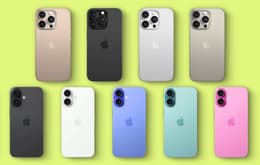
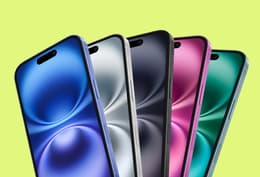
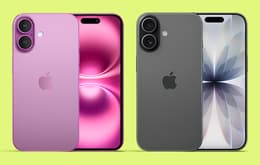
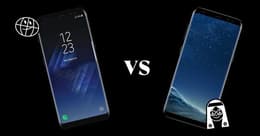
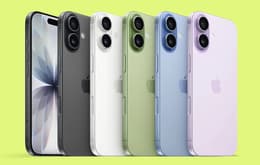
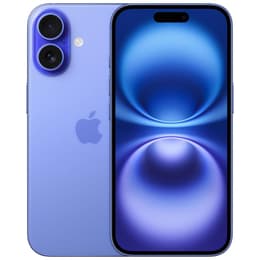
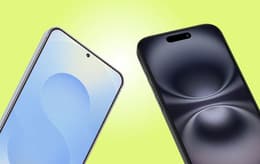
The Samsung Galaxy S26 (2026) and the iPhone 16 (2024) represent contemporary flagship smartphone engineering from two of the industry's leading manufacturers. While both devices serve as primary entry points into their respective ecosystems, they differ significantly in software architecture, hardware configuration, and design philosophy. Choosing between them depends heavily on whether users prefer the customizable Android environment or the tightly integrated Apple experience.
Colour
Storage
Both smartphones are built to remain operational for many years, though their software update lifecycles and repair frameworks follow different schedules. Hardware durability is high on both models, featuring reinforced glass and robust water-resistance ratings.
Year of Release
Compatible with latest Update
Foldable
Under everyday conditions, both devices deliver swift application loading, fluid multitasking, and smooth execution of graphics-heavy mobile games. Base storage configurations start at generous capacities, paired with ample system memory to keep background apps running smoothly.
Display technology is a strong suit for both smartphones, utilizing advanced panel types that deliver sharp text reproduction, deep contrast levels, and vibrant color accuracy. Outdoor visibility remains clear even under direct sunlight due to high peak brightness thresholds.
Resolution
Imaging capabilities on the Galaxy S26 and iPhone 16 cater to casual photographers and content creators alike, offering versatile multi-lens arrays and intelligent image processing. Video capture is stable and detailed across various lighting conditions.
Front camera
Connectivity and physical design elements define the day-to-day handling experience, with both manufacturers utilizing modern standards for wireless communication and wired charging.
Weight
Screen size (in)
Mobile network
SIM card
Carrier compatibility
Connector
Online user communities frequently praise the Galaxy S26 for its highly customizable interface, flexible multitasking tools, and bright high-refresh-rate display. At the same time, common discussions note that certain advanced features require deep dive settings adjustments. Conversely, users frequently highlight the iPhone 16 for its seamless operating system integration, reliable video recording tools, and long-term hardware reliability, though some express a desire for more home screen layout customization.
Users prioritizing deep software customisation, extensive file management freedom, and versatile display settings may prefer the Galaxy S26. Meanwhile, users prioritizing a streamlined user interface, long-term ecosystem synergy, and straightforward operation will find the iPhone 16 well-suited to their needs. For those seeking a quality-assured refurbished option that aligns with sustainable purchasing habits, looking into a quality-assured refurbished model via Back Market offers an eco-friendly alternative without compromising on core performance or day-to-day utility.