Compare models

Galaxy S24 Ultra Vs iPhone Air

  • 1-year minimum warranty
  • Free delivery on all items
  • Free 30-day returns
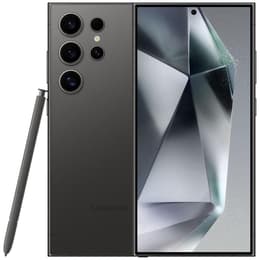
Galaxy S24 Ultra
Starting at

Refurbished price:£438.00

Versus £1,448.62 new

See options
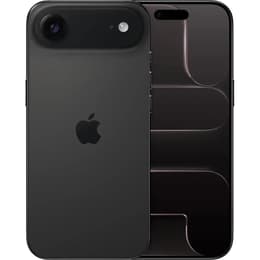
iPhone Air
Starting at

Refurbished price:£635.00

Versus £1,099.00 new

See options

Differences at a glance

The Samsung Galaxy S24 Ultra (2024) and the Apple iPhone Air (2025) represent two distinct approaches to high-end mobile engineering, balancing maximum productivity tools against ultra-slim portability. While the Galaxy S24 Ultra anchors itself in versatile multitasking with an integrated stylus and expansive screen, the iPhone Air prioritizes a featherlight, ultra-thin physical profile running on iOS. These contrasting philosophies cater to very different daily workflows.

Available Models

Colour

Storage (GB)

Scores

Durability

Both devices are built for extended multi-year use, though they approach long-term software support and structural resilience differently.

  • Software longevity: The Galaxy S24 Ultra receives software updates for seven years from release, matching the iPhone Air's anticipated long-term support cycle within Apple's ecosystem.
  • Build durability: The Galaxy S24 Ultra utilizes a grade-2 titanium frame with scratch-resistant glass armor, while the iPhone Air features an exceptionally thin titanium chassis protected by advanced ceramic shielding.
  • Repairability: Both manufacturers provide structured repair pathways, though the complex, ultra-slim internal layout of the iPhone Air requires specialized handling compared to the modular interior of the Samsung flagship.

Year of Release

2024

2025

Compatible with latest Update

Yes

Yes

OS

Android

iOS

Foldable

No

No

Performance

Daily responsiveness and multitasking capability remain exceptionally high on both handsets, driven by robust hardware configurations.

  • Multitasking and memory: Both models feature generous random access memory allocations that handle demanding applications, rapid app switching, and intensive background tasks smoothly.
  • Battery behavior: The Galaxy S24 Ultra accommodates a larger physical battery capacity for extended heavy usage, whereas the ultra-thin profile of the iPhone Air limits total battery capacity, requiring more frequent charging during intensive days.
  • Storage capacity: Both smartphones offer spacious starting storage tiers with fast read and write speeds, ensuring ample room for large media libraries and offline files.

Screen quality

Viewing experiences differ primarily in scale and panel geometry, though both devices utilize advanced display technology.

  • Display technology: Both models incorporate vibrant OLED panels that deliver deep contrast levels, sharp text clarity, and wide viewing angles.
  • Outdoor visibility: High peak brightness capabilities on both screens ensure content remains legible under direct sunlight or bright ambient lighting.
  • Refresh rate and size: The Galaxy S24 Ultra provides a larger 6.8-inch flat display with an integrated stylus digitizer, while the iPhone Air offers a slightly smaller 6.5-inch panel with a smooth high refresh rate designed for fluid scrolling.

Resolution

1440 x 3120

2736x1260

Screen type

Dynamic LTPO AMOLED 2X

Super Retina XDR

Audiovisual

Optics and media consumption hardware reflect the contrasting design priorities of each manufacturer.

  • Camera systems: The Galaxy S24 Ultra features a versatile multi-lens rear array including dedicated telephoto zoom options, while the iPhone Air utilizes a streamlined single primary lens housed within a raised rear plateau.
  • Video and low light: Samsung's device excels at distant magnification and detailed night photography, whereas Apple's model captures balanced everyday imagery and smooth stabilization.
  • Audio output: The Galaxy S24 Ultra includes a stereo speaker setup for immersive media playback, compared to the mono speaker configuration necessitated by the slender profile of the iPhone Air.

Main camera

200 megapixels

48 megapixels

Front camera

12 megapixels

18 megapixels

Miscellaneous

Practical physical characteristics and connectivity standards shape how each device fits into everyday travel and work routines.

  • Portability and weight: The iPhone Air emphasizes featherlight handling with a remarkably slim depth, whereas the Galaxy S24 Ultra presents a larger, heavier footprint designed for maximum screen estate.
  • Connectivity: Both models support modern high-speed cellular networks, advanced Wi-Fi standards, and short-range wireless communication protocols.
  • Authentication: The Galaxy S24 Ultra offers an in-display fingerprint sensor alongside facial recognition, while the iPhone Air relies exclusively on secure face authentication.

Weight

233 g

165 g

Screen size (in)

6.8

6.5

Mobile network

5G

5G

SIM card

Dual Physical SIM + eSIM

eSIM

Carrier compatibility

Unlocked

Unlocked

Connector

USB-C

USB-C

What the community thinks

User feedback for the Galaxy S24 Ultra frequently highlights praise for its versatile zoom capabilities, expansive writing canvas, and reliable all-day battery endurance, though some users note its heavy weight and bulky pocket footprint. Conversely, owners of the iPhone Air frequently commend its remarkably light and slim construction that rests comfortably in the hand, balanced against occasional critiques regarding limited speaker output and shorter battery longevity during heavy tasks.

Users prioritizing productivity, distant photography, and stylus input will find the Galaxy S24 Ultra well-suited to their workflow, while those valuing minimal pocket weight, a slim silhouette, and the iOS environment may lean toward the iPhone Air. For buyers seeking an eco-friendly alternative, exploring a quality-assured refurbished option provides a sustainable way to access these advanced technologies without purchasing newly manufactured hardware.