

Smartphones
Compare models
Differences at a glance
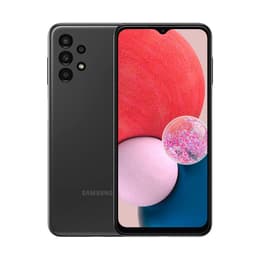
The Samsung Galaxy A13, released in March 2022, and the Google Pixel 7, launched in October 2022, represent distinct offerings within the Android smartphone market. While both devices operate on the Android platform, they cater to different user expectations through their core specifications and features. The Pixel 7 generally offers a more advanced user experience, particularly in performance and camera capabilities, whereas the Galaxy A13 focuses on fundamental smartphone functions with an emphasis on battery longevity.
Colour
Storage
The longevity of a smartphone is influenced by its physical durability and the duration of software support it receives. These two models present different timelines for updates and build quality.
Year of Release
Compatible with latest Update
OS
Foldable
The performance capabilities of these two smartphones vary significantly, impacting how smoothly they handle daily tasks, demanding applications, and multitasking.
The visual experience on a smartphone is largely defined by its display, and these two models offer different display technologies and characteristics.
Resolution
Screen type
The camera systems on the Galaxy A13 and Pixel 7 offer different capabilities, with a notable distinction in their approach to image processing and overall photographic performance.
Main camera
Front camera
Beyond core performance and display, several practical features and design elements differentiate these two smartphones, influencing daily usability and connectivity.
Weight
Screen size (in)
Mobile network
SIM card
Carrier compatibility
Choosing between the Samsung Galaxy A13 and the Google Pixel 7 involves weighing different priorities in smartphone usage. User feedback for the Galaxy A13 often highlights its robust battery life, with many reporting it can last well over a day on a single charge, and its inclusion of a 3.5mm headphone jack and expandable storage are frequently praised. However, common criticisms point to its less powerful processor, which can lead to a sluggish user experience, and a display that, while large, is a standard 60Hz LCD.
The Google Pixel 7, conversely, receives widespread acclaim for its exceptional camera system, particularly its low-light performance and computational photography features, making it a strong choice for photography enthusiasts. Its smooth software experience and vibrant AMOLED display are also frequently lauded. Some users, however, have noted that its battery life can be inconsistent for heavy usage, and it may experience some warmth during demanding tasks.
Users prioritising extended battery life, expandable storage, and the convenience of a headphone jack for everyday communication and media consumption may find the Samsung Galaxy A13 to be a practical choice. Conversely, individuals who value a premium camera experience, a fluid and responsive operating system, and a more vibrant display will likely lean towards the Google Pixel 7. Both devices offer a gateway to the Android ecosystem, and considering a quality-assured refurbished option for either model can be an eco-friendly alternative for making an informed purchasing decision.