Galaxy S23+ Vs Sony Xperia 5 IV

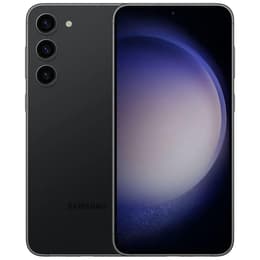
Galaxy S23+
Galaxy S23+
Starting at

Refurbished price:£257.00

Versus £1,199.99 new

See options
Sony Xperia 5 IV
Sony Xperia 5 IV
Starting at

Refurbished price:£299.00

Versus £1,199.00 new

See options

Ratings

The Samsung Galaxy S23 Plus, released in February 2023, and the Sony Xperia 5 IV, launched in September 2022, are both premium smartphones offering distinct user experiences. While the Galaxy S23 Plus emphasizes a larger display and a refined camera system, the Xperia 5 IV focuses on a compact form factor with advanced multimedia capabilities and unique hardware features. Both devices operate on the Android platform, providing access to a wide ecosystem of applications and services.

Scores

Durability

When considering the long-term usability of these devices, several factors contribute to their expected practical lifespan.

  • Release Timeline: The Galaxy S23 Plus was released in February 2023, making it slightly newer than the Sony Xperia 5 IV, which launched in September 2022. This difference in release dates can influence the duration of software support.
  • Software Longevity: Samsung typically provides extensive software support for its flagship devices, often including several years of Android OS upgrades and security updates. The Xperia 5 IV, on the other hand, was noted to offer two years of OS updates and three years of security updates from its release. This suggests the Galaxy S23 Plus may receive software updates for a longer period, potentially extending its functional life.
  • Durability Features: Both phones feature robust build materials. The Galaxy S23 Plus utilizes Corning Gorilla Glass Victus 2 on its front and back, coupled with an Armor Aluminum frame, and boasts an IP68 rating for dust and water resistance. The Xperia 5 IV also incorporates Gorilla Glass Victus for its screen and back panel, an aluminum frame, and carries an IP65/IP68 rating for water and dust protection. These features contribute to their resilience against daily wear and tear.

Year of Release

2023

2022

Compatible with latest Update

Yes

No

OS

Android

Android

Foldable

No

No

Performance

The performance of a smartphone is crucial for handling daily tasks, from casual browsing to demanding applications and gaming.

  • Processing Power: The Galaxy S23 Plus is equipped with a newer generation processor, which contributes to its ability to handle demanding apps and multitasking smoothly. Users can expect a responsive experience across various applications. The Xperia 5 IV features a previous generation processor, which still provides a capable and smooth user experience for most tasks.
  • Multitasking and Responsiveness: Both devices come with 8GB of RAM, which is sufficient for efficient multitasking and keeping multiple applications open without significant slowdowns. The Galaxy S23 Plus's newer processor may offer a slight edge in sustained high-performance scenarios, such as intensive gaming or video editing.
  • Battery Behavior: The Xperia 5 IV houses a 5000 mAh battery, while the Galaxy S23 Plus has a 4700 mAh battery. Both phones are noted for their excellent battery endurance, often lasting a full day or even up to two days with moderate use. The Galaxy S23 Plus supports faster wired charging at 45W, capable of reaching about 70% charge in 30 minutes, compared to the Xperia 5 IV's 30W wired charging. Both also support wireless charging.

Memory (GB)

8 GB

8 GB

Screen quality

The display is a primary interface for smartphone interaction, and both devices offer high-quality viewing experiences with distinct characteristics.

  • Display Technology and Clarity: The Galaxy S23 Plus features a 6.6-inch Dynamic AMOLED 2X display, providing vibrant colors and deep blacks with a Full HD+ resolution (2340 x 1080 pixels). The Xperia 5 IV comes with a slightly smaller 6.1-inch OLED display, also offering Full HD+ HDR resolution (2520 x 1080 pixels) with rich colors and contrast. The Xperia's 21:9 aspect ratio makes it narrower and taller, which can be beneficial for cinematic content viewing and comfortable one-handed grip.
  • Brightness and Refresh Rate: The Galaxy S23 Plus boasts a high peak brightness of 1750 nits, ensuring excellent visibility even in bright outdoor conditions. Its adaptive refresh rate ranges from 48Hz to 120Hz, providing smooth scrolling and animations while conserving battery life. The Xperia 5 IV offers a 120Hz refresh rate for smooth visuals, though its adaptive range typically goes down to 60Hz, and its peak brightness reaches around 1000 nits in auto mode.
  • Viewing Experience: The larger screen of the Galaxy S23 Plus provides a more expansive canvas for general media consumption and productivity. The Xperia 5 IV's unique 21:9 aspect ratio is particularly well-suited for watching movies in their native format without black bars, offering an immersive cinematic experience.

Resolution

1080 x 2340

1080 x 2520

Screen type

Dynamic AMOLED 2X

OLED

Audiovisual

Both smartphones offer versatile camera systems designed to capture a variety of moments, though they approach imaging with different philosophies.

  • Rear Camera Systems: The Galaxy S23 Plus features a triple-camera setup including a 50MP main sensor with optical image stabilization (OIS), a 12MP ultrawide lens, and a 10MP telephoto lens capable of 3x optical zoom. This configuration provides flexibility for different photographic scenarios. The Xperia 5 IV also has a triple-lens system, with all three sensors being 12MP: a main wide-angle lens with OIS, an ultrawide lens, and a telephoto lens offering 2.5x optical zoom. Sony's approach often emphasizes natural image processing and extensive manual controls, appealing to users who prefer more control over their shots.
  • Photography Performance: The Galaxy S23 Plus is noted for producing detailed and colorful images in various lighting conditions, with improvements in low-light performance and zoom capabilities compared to its predecessor. The Xperia 5 IV excels in color accuracy and white balance, producing natural-looking images, though its low-light performance in auto mode may require more effort from the user.
  • Video Recording and Audio: The Galaxy S23 Plus supports video recording up to 8K at 30fps and offers improved stabilization for 4K video at 60fps. The Xperia 5 IV stands out with its ability to record 4K HDR video at 120fps across all its rear lenses, along with advanced features like Eye AF and object tracking, making it suitable for content creators. For audio, the Xperia 5 IV includes a 3.5mm headphone jack and front-facing stereo speakers, providing a rich media consumption experience. The Galaxy S23 Plus relies on its USB-C port for audio output and features stereo speakers.

Main camera

50 megapixels

12 megapixels

Front camera

12 megapixels

12 megapixels

Miscellaneous

Beyond core performance and imaging, several practical features and design elements differentiate these two smartphones.

  • Connectivity and Ports: Both devices support 5G connectivity, Wi-Fi 6E, and Bluetooth (5.3 for S23 Plus, 5.2 for Xperia 5 IV). The Galaxy S23 Plus features a USB-C 3.2 port. The Xperia 5 IV also uses a USB-C 3.2 port and notably includes a 3.5mm headphone jack, a feature less common in modern flagship phones.
  • Storage Expansion and Biometrics: The Xperia 5 IV offers expandable storage via a microSD card slot, supporting up to 1TB, which is a significant advantage for users with large media libraries. The Galaxy S23 Plus does not include a microSD card slot. Both phones feature fingerprint sensors for secure unlocking, with the Galaxy S23 Plus using an in-display sensor and the Xperia 5 IV featuring a side-mounted sensor.
  • Design and Handling: The Galaxy S23 Plus has dimensions of 157.8 x 76.2 x 7.6 mm and weighs 196g, offering a larger form factor. The Xperia 5 IV is more compact at 156 x 67 x 8.2 mm and lighter at 172g, making it easier for one-handed use and pocketability. The Xperia also includes a dedicated physical camera shutter button, enhancing the photography experience.

Weight

196 g

172 g

Screen size (in)

6.6

6,1

Mobile network

5G

5G

SIM card

Dual Physical SIM + eSIM

Physical SIM + eSIM

Carrier compatibility

Unlocked

Unlocked

Connector

USB-C

USB-C + Jack 3.5mm

The Samsung Galaxy S23 Plus and Sony Xperia 5 IV cater to different user preferences, each excelling in specific areas. User feedback for the Galaxy S23 Plus often praises its bright display, robust performance, and significantly improved battery life, with many appreciating its balanced feature set that avoids the larger size of the Ultra model. Some criticisms occasionally point to its incremental upgrades over its predecessor or the lack of a truly variable refresh rate display found in some competitors.

The Sony Xperia 5 IV is frequently lauded for its compact design, excellent battery life, and its unique suite of professional camera and audio tools, including the 3.5mm headphone jack and microSD card slot. However, some users have noted potential overheating issues during intensive camera use and a less polished automatic camera experience compared to some rivals. Its narrower 21:9 display, while great for movies, might not appeal to everyone for general use.

Users prioritizing a larger, brighter display, faster wired charging, and a slightly newer processor with potentially longer software support may find the Samsung Galaxy S23 Plus well-suited to their needs. It offers a strong all-around flagship experience for those who want a premium Android device without the absolute largest form factor. Conversely, individuals who value a more compact design, expandable storage, a dedicated headphone jack, and advanced manual controls for photography and videography will likely lean towards the Sony Xperia 5 IV. Its focus on multimedia creation and consumption in a smaller package makes it a distinct choice.

For those considering either of these devices, exploring quality-assured refurbished options can provide an eco-friendly alternative, offering access to premium technology while supporting sustainable consumption practices.


See all articles

Our recent comparisons