
Compare models
Galaxy S25 Ultra Vs iPhone Air
- 1-year minimum warranty
- Free delivery on all items
- Free 30-day returns
Differences at a glance
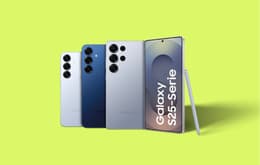
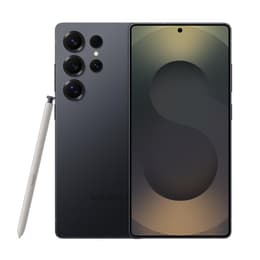
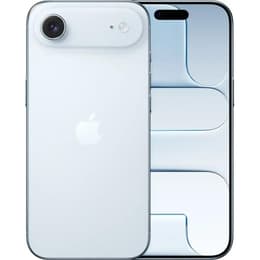
The Samsung Galaxy S25 Ultra (2025) and the Apple iPhone Air (2025) represent two distinct approaches to high-end mobile engineering, balancing maximum capability with alternative form factors. While the Galaxy S25 Ultra functions as a feature-packed productivity powerhouse running Android, the iPhone Air prioritizes an ultra-slim profile and lightweight titanium build within the iOS ecosystem.
Available Models
Colour
Storage (GB)
Scores
Durability
Both smartphones provide long-term software support and dependable build quality designed to withstand years of daily use, though their physical construction and update timelines differ.
- Software Support: The Galaxy S25 Ultra includes multi-year operating system upgrades typical of Android flagships, matching the extended update lifecycle provided by Apple for the iPhone Air.
- Repairability and Materials: Both models utilize robust outer metals and reinforced glass, though their distinct physical architectures result in different handling characteristics during repair procedures.
- Expected Lifespan: Both devices offer robust hardware longevity, ensuring they remain functional and responsive for typical daily workflows over several years of ownership.
Year of Release
2025
2025
Compatible with latest Update
Yes
Yes
OS
Android
iOS
Foldable
No
No
Performance
Handling demanding apps, multitasking, and system navigation smoothly, both devices deliver fast execution speeds despite utilizing different internal hardware configurations.
- Storage and Multitasking: Both models offer ample internal storage tiers alongside high RAM capacities, ensuring seamless switching between heavy applications and background processes.
- Battery Behavior: The Galaxy S25 Ultra houses a larger battery capacity suited for extended mixed usage, whereas the ultra-thin profile of the iPhone Air necessitates more frequent charging during heavy tasks.
- System Responsiveness: Advanced internal processing architectures in both models ensure rapid app loading times, fluid user interface navigation, and reliable handling of graphics-heavy mobile games.
Screen quality
Visual immersion varies due to differing display sizes, panel dimensions, and physical footprints, though both screens deliver high clarity and vivid color reproduction.
- Display Technology: Both devices utilize advanced OLED panels with deep black levels, high contrast ratios, and adaptive refresh rates reaching 120 Hz for smooth scrolling.
- Brightness and Outdoors: High peak brightness capabilities on both screens ensure clear legibility and comfortable viewing when used under direct sunlight.
- Viewing Area: The Galaxy S25 Ultra features a larger display canvas ideal for viewing media, while the iPhone Air provides a slightly more compact viewing area optimized for one-handed reach.
Resolution
1440x3120
2736x1260
Audiovisual
Camera capabilities reflect each device's design philosophy, balancing multi-lens versatility against a streamlined single-lens layout.
- Lens Configuration: The Galaxy S25 Ultra provides a versatile multi-camera array including wide, ultra-wide, and telephoto zoom options, while the iPhone Air streamlines photography with a single high-resolution rear lens.
- Everyday and Low-Light Shots: Both models capture detailed photographs and sharp low-light images using advanced image processing software to reduce noise and balance contrast.
- Video and Audio: High-definition video recording comes standard on both handsets, though the Galaxy S25 Ultra pairs its visuals with robust multi-speaker output, compared to the mono speaker configuration on the iPhone Air.
Front camera
12
18 megapixels
Miscellaneous
Practical day-to-day usability is shaped by connectivity standards, physical dimensions, and biometric authentication features unique to each platform.
- Connectivity and Ports: Both models support modern 5G networks and fast wireless standards, utilizing standard USB-C physical ports for charging and data transfer.
- Biometrics and Handling: The Galaxy S25 Ultra includes an in-display fingerprint reader and integrated stylus support within a larger frame, whereas the iPhone Air relies on facial recognition housed in an exceptionally thin, lightweight body.
- Durability Ratings: Both smartphones carry high dust and water resistance ratings, offering protection against accidental spills and environmental exposure.
Weight
218 g
165 g
Screen size (in)
6.9
6.5
Mobile network
5G
5G
SIM card
Dual Physical SIM
eSIM
Carrier compatibility
Unlocked
Unlocked
Connector
USB-C
USB-C
What the community thinks
Deciding between the Samsung Galaxy S25 Ultra and the iPhone Air depends largely on whether daily priorities lean toward expansive productivity tools or minimalist portability. Users prioritizing versatile multi-lens photography, stylus integration, and extended battery capacity may prefer the comprehensive feature set of the Galaxy S25 Ultra. Conversely, users prioritizing an exceptionally lightweight build, a streamlined operating system, and a slim pocket footprint will likely lean toward the iPhone Air. When exploring options, choosing a quality-assured refurbished alternative provides an eco-friendly way to access these high-end capabilities while supporting sustainable technology habits.