Compare models
Galaxy A14 Vs iPhone 12 Pro
- 1-year minimum warranty
- Free delivery on all items
- Free 30-day returns
Differences at a glance
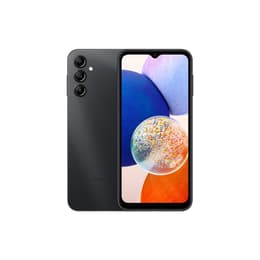
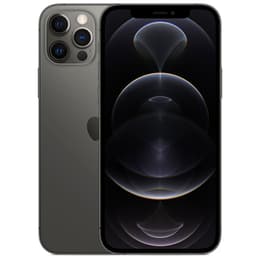
The Samsung Galaxy A14, released in early 2023, and the iPhone 12 Pro, launched in late 2020, represent distinct approaches to smartphone design. The Galaxy A14 operates on Android, offering a user-friendly interface, while the iPhone 12 Pro runs on iOS, known for its integrated ecosystem. These devices cater to different user priorities, with key differences in display, camera, and performance.
Available Models
Colour
Storage (GB)
Scores
Durability
The practical lifespan of a smartphone is influenced by its release date and manufacturer's software support policy.
- Release Timeline: The iPhone 12 Pro was released in October 2020, making it older than the Galaxy A14, which launched in early 2023. This age difference impacts remaining official software support.
- Software Longevity: The iPhone 12 Pro, running iOS, typically receives major operating system updates for approximately 5-7 years from release, extending its software relevance. The Galaxy A14, an Android device, is generally slated for two major OS updates and four years of security updates.
- Practical Lifespan: Users prioritizing extended software support will find the iPhone 12 Pro offers a longer update cycle. Both devices are built to last, but the iPhone 12 Pro features a Ceramic Shield front for enhanced drop resistance, while the Galaxy A14 uses a plastic back and frame.
Year of Release
2023
2020
Compatible with latest Update
No
Yes
OS
Android
iOS
Foldable
No
No
Performance
Performance varies, impacting how smoothly these smartphones handle daily tasks and demanding applications.
- Everyday Responsiveness: The iPhone 12 Pro delivers fluid performance for demanding apps, multitasking, and games. The Galaxy A14 suits common tasks like browsing and light gaming, though occasional slowdowns may occur with many background apps.
- Storage Options: The iPhone 12 Pro offers storage capacities from 128GB up to 512GB. The Galaxy A14 typically comes with 64GB or 128GB, but includes a microSD card slot for up to 1TB expandable storage.
- Battery Behavior: The Galaxy A14 features a larger 5000 mAh battery, often providing extended usage, with many users reporting it can last through a full day or two for moderate users. The iPhone 12 Pro has a 2815 mAh battery; heavy users may need more frequent charging.
Screen quality
Visual experience differs due to distinct display technologies and specifications.
- Display Technology and Clarity: The iPhone 12 Pro features a Super Retina XDR OLED display for deep blacks, high contrast, and vibrant colors, with 2532x1170 pixel resolution. The Galaxy A14 uses a PLS LCD panel with 1080 x 2408 pixel resolution, providing clear visuals.
- Brightness and Refresh Rate: The iPhone 12 Pro's OLED screen achieves higher peak brightness, enhancing outdoor visibility. Both typically have a 60Hz refresh rate, though the 5G Galaxy A14 offers a smoother 90Hz.
- Screen Size and Viewing: The Galaxy A14 offers a larger 6.6-inch display for expansive media consumption. The iPhone 12 Pro has a 6.1-inch display, providing a compact form factor with an immersive OLED visual experience.
Resolution
1080 x 2408
1170 x 2532
Screen type
PLS LCD
Super Retina XDR OLED
Audiovisual
Camera systems on the Galaxy A14 and iPhone 12 Pro offer different strengths for photography and videography.
- Rear Camera Versatility: The iPhone 12 Pro features a triple 12MP camera system (wide, ultra-wide, telephoto) with a LiDAR scanner for enhanced low-light focusing and AR. It captures detailed images and offers 2x optical zoom. The Galaxy A14 typically includes a 50MP main camera, a 2MP macro, and a 2MP depth sensor, focusing on high-resolution main shots and close-up details.
- Advanced Imaging and Video: The iPhone 12 Pro provides advanced low-light performance with Night mode and supports HDR video recording with Dolby Vision up to 60 frames per second. The Galaxy A14 captures good photos in well-lit conditions and records video at 1080p at 30 frames per second.
- Front Camera and Sound: Both devices feature 13MP (A14) and 12MP (12 Pro) front cameras for clear selfies. The iPhone 12 Pro also offers stereo speakers for a more immersive audio experience, while the Galaxy A14 has a single downward-firing speaker.
Main camera
50 megapixels
12 megapixels
Front camera
13 megapixels
12 megapixels
Miscellaneous
Beyond core features, practical elements like connectivity, ports, and physical design contribute to the overall user experience.
- Connectivity Standards: Both devices support 5G connectivity for faster mobile data. The iPhone 12 Pro supports Wi-Fi 6 and Bluetooth 5.0, while the Galaxy A14 supports Wi-Fi 5 and Bluetooth 5.1 or 5.2.
- Ports and Biometrics: The iPhone 12 Pro uses a Lightning port and relies on Face ID for secure authentication. The Galaxy A14 features a USB-C port and a 3.5mm headphone jack, offering broader accessory compatibility, and uses a side-mounted fingerprint sensor.
- Build and Handling: The iPhone 12 Pro features a compact design with a stainless steel frame and Ceramic Shield front, contributing to a premium feel and enhanced durability. The Galaxy A14 has a larger form factor with a plastic build, making it lighter but potentially less scratch-resistant.
Weight
201 g
187 g
Screen size (in)
6.6
6.1
Mobile network
4G
5G
SIM card
Dual Physical SIM
Physical SIM + eSIM
Carrier compatibility
Unlocked
Unlocked
What the community thinks
User feedback often highlights distinct advantages and considerations for each device.
The iPhone 12 Pro is frequently praised for its robust performance, high-quality camera system, and consistent, long-term software support from iOS. Users appreciate its premium build and integrated Apple ecosystem. Some common criticisms might include its 60Hz display refresh rate and battery life for very heavy usage.
The Samsung Galaxy A14 is often lauded for its impressive battery life, expansive display, and the inclusion of a 3.5mm headphone jack and expandable storage. Criticisms sometimes point to its less powerful processor for demanding tasks and the LCD display technology compared to OLED.
Users prioritizing a fluid experience, advanced camera capabilities, and extended software longevity may find the iPhone 12 Pro aligns better with their needs. Its compact size and premium materials also appeal to those seeking a refined device. Conversely, users valuing a larger screen, exceptional battery life, and the flexibility of expandable storage and a headphone jack will likely find the Galaxy A14 a suitable choice. It is well-suited for students or individuals needing a reliable device for everyday communication and media consumption. Both models are available as quality-assured refurbished options, providing an eco-friendly alternative.