Compare models
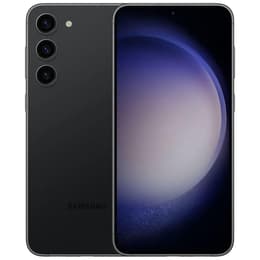
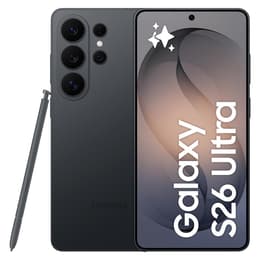
Galaxy S23+ Vs Galaxy S26 Ultra
- 1-year minimum warranty
- Free delivery on all items
- Free 30-day returns
Differences at a glance
The Samsung Galaxy S23+ (2023) and the Samsung Galaxy S26 Ultra (2026) represent different tiers and generations of Samsung's flagship smartphone lineup. While the Galaxy S23+ offers a streamlined, large-screen experience focused on core smartphone essentials, the Galaxy S26 Ultra introduces advanced multi-lens camera systems, a larger high-resolution display, and enhanced productivity features. Both devices operate on the Android platform, though the newer model benefits from a more recent software version out of the box.
Available Models
Colour
Storage
Scores
Durability
The Galaxy S23+ and Galaxy S26 Ultra span a three-year release gap, which directly impacts their remaining support windows and overall longevity. Users seeking a quality-assured refurbished option often look closely at update schedules to gauge long-term usability.
- Software Support: The Galaxy S26 Ultra benefits from an extended software update timeline due to its newer release year, whereas the Galaxy S23+ is further along in its official support lifecycle.
- Repairability and Build: Both devices feature robust aluminum frames and tough glass protection, maintaining standard repairability scores across professional service networks.
- Expected Lifespan: The Galaxy S26 Ultra provides a longer window of future readiness, while the Galaxy S23+ remains fully capable for everyday tasks within its remaining support period.
Year of Release
2023
2026
Compatible with latest Update
Yes
Yes
OS
Android
Android
Foldable
No
No
Performance
Performance capabilities vary significantly due to the generational gap between the two devices, influencing how smoothly apps load, how many tasks can run simultaneously, and how long the battery lasts under heavy use.
- Multitasking and Speed: The Galaxy S26 Ultra handles demanding applications, intensive gaming, and heavy background multitasking with noticeable swiftness, while the Galaxy S23+ smoothly manages standard daily apps and moderate multitasking.
- Battery Behavior: The Galaxy S26 Ultra incorporates a larger battery capacity coupled with advanced power management to easily sustain long days of heavy usage, whereas the Galaxy S23+ offers dependable daily power that typically requires a recharge by evening for intensive users.
- Storage Configurations: The Galaxy S26 Ultra starts with higher baseline storage tiers to accommodate large media files, while the Galaxy S23+ provides standard storage options suited for everyday applications and photos.
Screen quality
Display technology has evolved to offer brighter, more vivid panels with improved outdoor visibility and smoother viewing experiences across both handsets.
- Display Technology: Both models utilize vibrant OLED panels that deliver deep blacks and rich colors, though the Galaxy S26 Ultra features a slightly larger screen real estate.
- Brightness and Outdoors: The Galaxy S26 Ultra achieves higher peak brightness levels for clear visibility under direct sunlight, while the Galaxy S23+ remains comfortable to view in standard outdoor conditions.
- Refresh Rate: Both devices support smooth adaptive refresh rates up to 120Hz, ensuring fluid scrolling through web pages and responsive touch interactions during everyday navigation.
Resolution
1080 x 2340
1440 x 3120
Audiovisual
Imaging hardware and audio-visual outputs cater to different expectations, ranging from casual daily snapshots to advanced telephoto and video production tasks.
- Camera Systems: The Galaxy S26 Ultra includes a versatile quad-camera array featuring high-resolution telephoto lenses for distant subjects, while the Galaxy S23+ relies on a balanced triple-camera setup suited for standard portraits and landscapes.
- Low-Light and Video: The Galaxy S26 Ultra captures sharper details and reduced noise in challenging low-light environments, alongside advanced video stabilization options.
- Media Consumption: Both models feature stereo speakers that deliver clear audio for calls and video playback, though the larger display on the Ultra enhances immersive viewing.
Front camera
12 megapixels
12.0
Miscellaneous
Physical design, handling, and connectivity standards reflect the distinct form factors and release eras of each smartphone.
- Dimensions and Weight: The Galaxy S23+ is lighter and slimmer, making it comfortable for one-handed use, whereas the Galaxy S26 Ultra has a larger footprint and heavier weight to accommodate its expanded screen and built-in stylus functionality.
- Connectivity: Both phones support fast 5G networks, modern Bluetooth standards, and reliable Wi-Fi connectivity for stable internet access.
- Security and Biometrics: Both devices utilize responsive under-display fingerprint sensors and secure facial recognition for quick unlocking.
Weight
168 g
214 g
Screen size (in)
6.6
6.9
Mobile network
5G
5G
SIM card
Dual Physical SIM + eSIM
Physical SIM + eSIM
Carrier compatibility
Unlocked
Unlocked
Connector
USB-C
USB-C
What the community thinks
User feedback from online communities highlights distinct preferences for each device based on daily routines. Owners of the Galaxy S23+ frequently praise its comfortable, lightweight handling, reliable daily speed, and straightforward software experience. Conversely, users of the Galaxy S26 Ultra often emphasize satisfaction with its expansive screen space, versatile long-range camera capabilities, and robust battery stamina during intensive tasks.
Users prioritizing a lightweight, highly portable device for everyday communication and media consumption will find the Galaxy S23+ well-suited to their needs. Meanwhile, users prioritizing advanced photography, maximum screen area for productivity, and extended software support may prefer the Galaxy S26 Ultra. Choosing between these models depends on whether compact handling or expansive multimedia performance takes priority. Eco-conscious buyers can also explore sustainable, quality-assured refurbished options for either model to make an environmentally responsible purchasing decision.