Galaxy S22 5G Vs iPhone SE (2020)

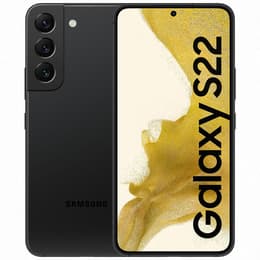
Galaxy S22 5G
Galaxy S22 5G
Starting at

Refurbished price:£145.00

Versus £899.00 new

See options
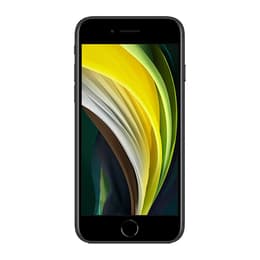
iPhone SE (2020)
iPhone SE (2020)
Starting at

Refurbished price:£67.00

Versus £289.00 new

See options

Ratings

The Samsung Galaxy S22 5G, released in 2022, and the iPhone SE (2nd Generation), launched in 2020, represent two very different approaches to the smartphone experience. While the Galaxy S22 is a modern flagship with a nearly borderless display and multiple cameras, the iPhone SE 2020 maintains a classic design with a physical home button and a compact form factor. These devices run on different ecosystems—Android and iOS respectively—meaning the choice often depends on a user's preference for software flexibility or straightforward simplicity. Both models remain popular choices for those seeking reliable performance in a manageable size, though they cater to distinct user priorities regarding technology and design.

Scores

Durability

The Galaxy S22 and iPhone SE 2020 differ significantly in their expected software lifespans and physical resilience due to their different release timelines and manufacturer policies.

  • Software Longevity: The Galaxy S22, being two years newer, is scheduled to receive Android updates and security patches for a longer period into the future compared to the iPhone SE 2020, which is approaching the end of its major update cycle.
  • Update Frequency: While Apple typically provides long-term support, the 2020 release date of the SE means it is closer to the end of its official iOS update cycle than the more recent Samsung model, which still benefits from regular feature enhancements.
  • Build Resilience: Both phones feature glass and aluminium constructions, but the Galaxy S22 uses more modern glass technology designed to better resist scratches and minor impacts during daily use, whereas the iPhone SE 2020 relies on a more traditional glass design.

Year of Release

2022

2020

Compatible with latest Update

Yes

Yes

OS

Android

iOS

Foldable

No

No

Performance

Performance on these devices is tailored to different types of users, from those needing high-speed multitasking to those who prefer basic daily tasks and a familiar interface.

  • System Responsiveness: The Galaxy S22 handles demanding applications and intensive multitasking with ease, providing a fluid experience when switching between many open apps or running high-resolution games.
  • Daily Efficiency: The iPhone SE 2020 remains responsive for standard tasks like messaging and browsing, though users may notice slower loading times when launching large files or complex applications compared to the newer Samsung.
  • Battery Endurance: The Galaxy S22 houses a larger battery capacity to support its advanced features, whereas the iPhone SE 2020 has a much smaller battery that may require more frequent charging for users who frequently stream video or use navigation apps throughout the day.

Memory (GB)

8 GB

3 GB

Screen quality

The viewing experience is perhaps the most immediate difference between these two smartphones, affecting everything from reading text to watching high-definition videos.

  • Display Technology: The Galaxy S22 uses an OLED panel that delivers deep blacks and high contrast, while the iPhone SE 2020 utilizes an LCD screen which offers natural colours but lacks the same level of vibrancy and depth.
  • Motion Smoothness: With a high refresh rate, the Galaxy S22 provides very smooth scrolling and animations, a feature absent on the iPhone SE 2020, where movement appears more traditional and less fluid during fast-paced interactions.
  • Outdoor Visibility: The Galaxy S22 reaches much higher brightness levels, making it significantly easier to read under direct sunlight compared to the more reflective screen of the iPhone SE 2020, which can be harder to see in bright environments.

Resolution

1080 x 2340

750 x 1334

Screen type

Dynamic AMOLED 2X

Retina IPS LCD

Audiovisual

Photography and media consumption capabilities highlight the generational gap between these two devices, particularly in terms of lens variety and low-light processing.

  • Camera Versatility: The Galaxy S22 features a triple-lens system including a dedicated zoom and an ultra-wide lens, whereas the iPhone SE 2020 relies on a single wide-angle lens for all photography, limiting its flexibility for distant subjects.
  • Low-Light Performance: Users will find that the Galaxy S22 captures much clearer and more detailed images in dark environments thanks to advanced sensor technology that the older iPhone SE lacks, which often produces grainier night photos.
  • Audio Output: Both devices offer stereo speakers, but the Galaxy S22 provides a wider soundstage and clearer separation, which enhances the experience when watching films or listening to podcasts without external headphones.

Main camera

50 megapixels

12 megapixels

Front camera

10 megapixels

7 megapixels

Miscellaneous

Beyond the core specifications, the physical handling and connectivity options define the practical day-to-day utility and future-readiness of each phone.

  • Connectivity Standards: The Galaxy S22 supports 5G networks for faster mobile data speeds, while the iPhone SE 2020 is limited to 4G LTE, which may impact connectivity in areas with modern network infrastructure.
  • Biometric Security: Samsung utilizes an ultrasonic fingerprint sensor hidden under the display for a modern look, while the iPhone SE 2020 uses the classic physical home button with an integrated fingerprint reader.
  • Portability and Handling: The iPhone SE 2020 is notably smaller and lighter, making it a preferred choice for users who operate their phones with one hand, whereas the Galaxy S22 offers a larger screen in a still relatively compact frame.

Weight

167 g

148 g

Screen size (in)

6.1

4.7

Mobile network

5G

4G

SIM card

Dual Physical SIM + eSIM

Physical SIM + eSIM

Carrier compatibility

Unlocked

Unlocked

Connector

USB-C

Lightning

Public sentiment regarding these two devices often centres on the trade-off between modern features and classic reliability. Users of the Galaxy S22 frequently praise its vibrant display and versatile camera system, though some note that the battery life can be inconsistent during heavy workdays. Conversely, iPhone SE 2020 owners appreciate the device's compact size and the familiarity of the home button, while often citing the short battery life and dated screen design as primary drawbacks in a modern context.

Choosing between these two depends largely on your priorities. Users who want a modern viewing experience, 5G connectivity, and multiple camera options will find the Galaxy S22 better suited to their needs. Those who prefer a smaller, more traditional device that fits easily in a pocket and provides a simple interface may lean toward the iPhone SE 2020. For those looking to make a sustainable choice, opting for a quality-assured refurbished option is an eco-friendly alternative that extends the life of these capable devices. Ultimately, the Galaxy S22 offers more longevity in terms of software and hardware features, while the iPhone SE 2020 serves as a functional, straightforward tool for essential smartphone tasks. Choosing a sustainable choice like a refurbished model ensures you get a high-quality device while reducing electronic waste.

See all articles

Our recent comparisons