Compare models
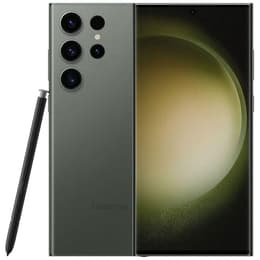
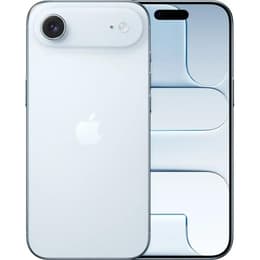
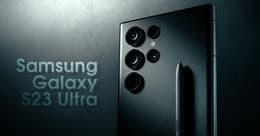
Galaxy S23 Ultra Vs iPhone Air
- 1-year minimum warranty
- Free delivery on all items
- Free 30-day returns
Differences at a glance
The Samsung Galaxy S23 Ultra (2023) and the Apple iPhone Air (2025) represent two distinct approaches to high-end mobile engineering, contrasting a feature-rich productivity powerhouse with an ultra-slim, lightweight lifestyle design. While they operate on different software ecosystems, both devices target users looking for top-tier everyday responsiveness and premium construction, yet they prioritize entirely different physical form factors and user capabilities.
Available Models
Colour
Storage
Scores
Durability
When evaluating structural longevity and software support, both devices offer robust frameworks designed to last for years of continuous daily use, though their physical and update lifelines differ.
- Software and Update Timelines: The iPhone Air benefits from a later release year and contemporary operating system architecture, providing an extended window of major feature updates compared to the slightly older Galaxy model.
- Build Integrity and Materials: The Galaxy S23 Ultra employs heavy-duty armor aluminum and hardened glass designed to withstand rugged handling, while the iPhone Air utilizes a rigid titanium frame paired with reinforced front and back glass to maintain a slender profile without sacrificing structural strength.
- Expected Lifespan: Both smartphones feature high-capacity flash storage and efficient power management that help maintain dependable day-to-day functionality over extended periods.
Year of Release
2023
2025
Compatible with latest Update
Yes
Yes
OS
Android
iOS
Foldable
No
No
Performance
Both smartphones handle intensive tasks, fast application switching, and demanding mobile games smoothly, though they manage hardware efficiency and multitasking through different configurations.
- Multitasking and App Handling: Generous memory allocations on both models ensure that background applications remain active and switch instantly without stuttering or forced reloads.
- Battery Behavior: The Galaxy S23 Ultra accommodates a larger physical battery capacity suited for extended heavy use, whereas the iPhone Air relies on highly energy-efficient components to optimize battery retention despite its exceptionally thin chassis.
- Storage Capacity: Generous baseline storage options on both devices provide ample room for large media libraries, high-resolution video files, and extensive document collections without immediate concern for space management.
Screen quality
Visual immersion is a priority for both flagships, utilizing advanced display panels that deliver sharp detail, fluid motion, and strong outdoor visibility.
- Display Technology: Both models feature vibrant OLED panels with deep contrast levels, rich color reproduction, and adaptive refresh rates reaching up to 120 hertz for smooth scrolling and gaming.
- Peak Brightness: High brightness thresholds ensure that text and images remain legible under direct sunlight, making outdoor navigation and media consumption comfortable.
- Screen Real Estate: The Galaxy S23 Ultra offers a slightly broader canvas with gently curved edges, whereas the iPhone Air provides a flat 6.5-inch viewing area framed by exceptionally narrow borders.
Resolution
1440 x 3088
2736x1260
Screen type
Dynamic AMOLED 2X
Super Retina XDR
Audiovisual
Media creation and audio playback capabilities reflect distinct hardware philosophies, balancing versatility against streamlined minimalism.
- Camera Systems: The Galaxy S23 Ultra features a multi-lens rear array equipped for ultra-wide shots and high-magnification zoom, while the iPhone Air streamlines photography through a single high-resolution main lens system.
- Video and Low-Light Recording: Both devices capture crisp details and stable footage in challenging lighting conditions, supported by advanced image stabilization and computational processing.
- Audio and Media Output: Integrated stereo speaker setups deliver clear dialogue and balanced sound output for hands-free calls, video viewing, and casual music playback.
Main camera
200 megapixels
48 megapixels
Front camera
12 megapixels
18 megapixels
Miscellaneous
Practical day-to-day usability elements, including connectivity standards, physical dimensions, and security sensors, shape how each device feels in real-world handling.
- Dimensions and Portability: The Galaxy S23 Ultra is a heavier, larger device designed for a substantial in-hand feel and includes an integrated stylus for note-taking, whereas the iPhone Air prioritizes a remarkably thin and lightweight profile that slips easily into pockets.
- Connectivity and Ports: Both smartphones support modern fifth-generation cellular networks, rapid wireless standards, and universal USB-C connectivity for charging and data transfer.
- Biometric Security: Secure authentication is handled via responsive facial recognition or under-display fingerprint sensors depending on the chosen ecosystem.
Weight
233 g
165 g
Screen size (in)
6.8
6.5
Mobile network
5G
5G
SIM card
Dual Physical SIM + eSIM
eSIM
Carrier compatibility
Unlocked
Unlocked
Connector
USB-C
USB-C
What the community thinks
User feedback and community discussions highlight distinct preferences for each device based on daily habits. Owners of the Galaxy S23 Ultra frequently praise its extensive zoom flexibility, integrated stylus functionality, and reliable endurance during long workdays. Conversely, users favor the iPhone Air for its astonishingly lightweight build, comfortable pocketability, and sleek aesthetic finish, though some note the absence of dedicated auxiliary camera lenses for specialized close-up photography. Choosing between the two comes down to practical workflow priorities rather than raw capability.
Users prioritizing productivity tools, versatile multi-lens photography, and a traditional heavy-duty layout will find the Galaxy S23 Ultra well-suited to their needs. Meanwhile, users prioritizing a featherlight physical profile, minimalist design, and seamless software integration may lean toward the iPhone Air. For those exploring sustainable purchasing routes, opting for a quality-assured refurbished option provides an eco-friendly alternative that reduces electronic waste while delivering the same core hardware performance.