Samsung
Compare models
Differences at a glance
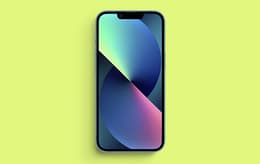
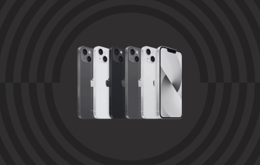
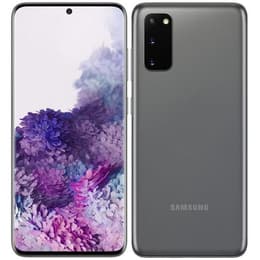
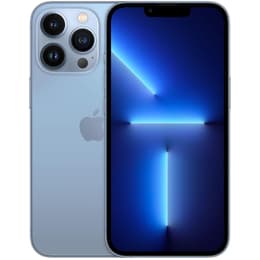
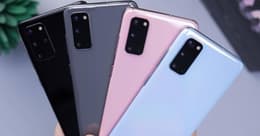
The Samsung Galaxy S20 5G, released in early 2020, and the iPhone 13 Pro, launched in late 2021, represent two distinct eras of flagship smartphone technology. While the Galaxy S20 5G introduced high-refresh-rate displays and 5G connectivity to the mainstream Android market, the iPhone 13 Pro refined the mobile experience with its advanced camera system and efficient hardware integration. Operating on Android and iOS respectively, these devices offer different ecosystems and user experiences. This comparison explores how these two models differ in practical daily use, helping you decide which fits your specific needs.
Colour
Storage
The release dates of these devices significantly impact their expected software longevity and overall lifespan when evaluated in 2026.
Year of Release
Compatible with latest Update
OS
Foldable
Performance differences between these two models are most noticeable when handling demanding tasks or multitasking between several intensive applications.
Both smartphones feature high-quality displays that were at the forefront of technology at their respective launches, offering smooth visuals and vibrant colours.
Resolution
Screen type
The camera systems on these devices cater to different types of photographers, with the iPhone focusing on consistency and the Galaxy offering versatile zoom capabilities.
Main camera
Front camera
Practical considerations such as connectivity, physical handling, and security features play a significant role in the daily user experience.
Weight
Screen size (in)
Mobile network
SIM card
Carrier compatibility
Connector
In 2026, the choice between the Galaxy S20 5G and the iPhone 13 Pro often comes down to ecosystem preference and the importance of long-term software support. User discussions on community forums suggest that the Galaxy S20 5G is still appreciated for its slim design and expandable storage, though many note that its battery life and software updates have begun to lag behind modern standards. Conversely, the iPhone 13 Pro receives consistent praise for its camera performance and the fact that it still feels responsive several years after its release. Some users do mention the weight of the iPhone as a potential drawback for those used to lighter devices.
Users who prioritise a lightweight design, the flexibility of adding more storage via a card, and the Android operating system will find the Galaxy S20 5G to be a capable companion. Those who require a device with a longer remaining lifespan of software updates, superior video recording, and a more robust build quality may lean toward the iPhone 13 Pro. For those looking to make a sustainable choice, both models are available as eco-friendly alternatives through refurbishment, providing a way to access high-end technology while reducing electronic waste. Ultimately, both devices remain functional and powerful options for different types of mobile users.