
Galaxy A14 5G Vs Sony Xperia 1 IV

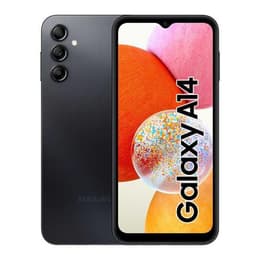
Galaxy A14 5G
Galaxy A14 5G
Starting at

Refurbished price:£80.00

Versus £289.00 new

See options
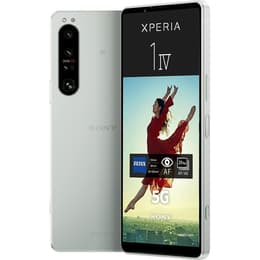
Sony Xperia 1 IV
Sony Xperia 1 IV
Starting at

Refurbished price:£346.00

Versus £1,500.00 new

See options

Ratings

The Samsung Galaxy A14 5G, released in January 2023, and the Sony Xperia 1 IV, launched in May 2022, are Android smartphones that cater to different user expectations and needs. While both devices offer 5G connectivity and run on the Android operating system, they diverge significantly in their display technology, processing power, and camera capabilities. The Galaxy A14 5G is designed for users seeking essential smartphone functions with modern connectivity, whereas the Xperia 1 IV targets those who prioritize advanced multimedia features and high-end performance.

Scores

Durability

The expected practical lifespan of a smartphone is influenced by its release timeline, software support, and physical resilience. These two devices offer different profiles in terms of longevity.

  • Release Timeline and Software Support: The Samsung Galaxy A14 5G, being a more recent release from early 2023, benefits from a slightly longer projected period of software updates compared to the Sony Xperia 1 IV, which debuted in mid-2022. Both devices run on the Android operating system and are eligible for several years of updates, with the Galaxy A14 5G likely receiving support for a few months longer due to its newer launch date.
  • Repairability: The Galaxy A14 5G demonstrates a notable advantage in repairability, scoring an 8 out of 10. Its design allows for relatively easy disassembly, and the battery is secured with a reusable adhesive pull tab, simplifying replacement. In contrast, the Sony Xperia 1 IV has a lower repairability score of 5.5 out of 10, attributed to more complex internal construction and adhesive use, making certain repairs more challenging.
  • Physical Durability: The Xperia 1 IV features Corning Gorilla Glass Victus on both its front and back, along with IP65/IP68 ratings for water and dust resistance, offering robust protection against environmental elements. The Galaxy A14 5G, while featuring a sturdy plastic build, does not carry an official IP rating for water resistance, suggesting less protection against liquid exposure.

Year of Release

2023

2022

Compatible with latest Update

Yes

No

OS

Android

Android

Foldable

No

No

Performance

Performance is a key differentiator, with the two phones offering experiences tailored to distinct user demands, from everyday tasks to intensive multimedia creation.

  • Processing Power: The Sony Xperia 1 IV is equipped with a high-performance processor, designed to handle demanding applications, complex multitasking, and graphics-intensive gaming with fluidity. The Samsung Galaxy A14 5G features a capable processor for its segment, providing smooth operation for daily tasks, web browsing, and casual gaming.
  • Multitasking and Storage: The Xperia 1 IV typically comes with 12GB of RAM and offers storage options of 256GB or 512GB, both expandable via microSD, facilitating extensive multitasking and ample space for large files and applications. The Galaxy A14 5G is available with 4GB or 6GB of RAM and 64GB or 128GB of internal storage, also expandable with a microSD card up to 1TB, which is suitable for general use and moderate app loads.
  • Battery Behavior: Both devices house a 5000 mAh battery. The Galaxy A14 5G generally provides reliable battery life for a full day of moderate use, with some tests showing around 9-10 hours of video streaming. The Xperia 1 IV's battery life can be more variable, with user reports indicating around 5-6 hours of screen-on time with the 120Hz display enabled, and approximately 10-12 hours for video streaming, sometimes impacted by the power demands of its high-resolution screen and processor.

Memory (GB)

4 GB

12 GB

Screen quality

The visual experience on these two smartphones presents a clear distinction, primarily due to their underlying display technologies and resolutions.

  • Display Technology and Resolution: The Sony Xperia 1 IV features a 6.5-inch OLED display with a 4K resolution (3840 x 1644 pixels) and a 21:9 aspect ratio, delivering exceptionally sharp and vibrant images with deep blacks. The Samsung Galaxy A14 5G utilizes a 6.6-inch PLS LCD panel with a Full HD+ resolution (1080 x 2408 pixels), offering clear visuals and good color reproduction for everyday viewing.
  • Refresh Rate and Brightness: The Xperia 1 IV boasts a 120Hz refresh rate for smooth scrolling and animations, alongside an average brightness of 890 nits, which aids visibility in various lighting conditions. The Galaxy A14 5G also offers a 90Hz refresh rate, enhancing the fluidity of the user interface, but its peak brightness of around 500 nits may present challenges for outdoor readability in direct sunlight.
  • Viewing Experience: Users prioritizing a cinematic viewing experience, high detail for photo editing, and smooth motion will find the Xperia 1 IV's 4K OLED display particularly appealing. The Galaxy A14 5G provides a satisfactory viewing experience for general media consumption and daily tasks, with its larger screen size being a practical benefit for many users.

Resolution

1080 x 2408

1644 x 3840

Screen type

PLS LCD

OLED

Audiovisual

The camera systems on these devices are designed with different photographic philosophies, offering varied capabilities for capturing images and videos.

  • Rear Camera System: The Sony Xperia 1 IV features a versatile triple 12MP camera setup, including a main lens with optical image stabilization (OIS), an ultrawide lens, and a unique telephoto lens with continuous optical zoom ranging from 85mm to 125mm. This allows for flexible framing without digital degradation. The Samsung Galaxy A14 5G includes a 50MP main sensor, complemented by 2MP macro and 2MP depth sensors. It lacks an ultrawide lens, and its zoom capabilities are primarily digital.
  • Photography Performance: The Xperia 1 IV excels in providing extensive manual controls and a high level of detail, particularly with its main and optical zoom lenses in good lighting. It is capable of producing very good images, though the ultrawide can be softer in low light. The Galaxy A14 5G's main 50MP sensor performs well in bright conditions, capturing decent detail and vibrant colors. However, its low-light performance is more limited, and the secondary macro and depth sensors offer less practical utility.
  • Video Recording and Front Camera: The Xperia 1 IV stands out with its ability to record 4K video at 120 frames per second across all its rear cameras, offering significant creative potential for videographers. It also has a 12MP front camera. The Galaxy A14 5G supports video recording up to 1080p at 30 frames per second for both its rear and 13MP front cameras, which is suitable for casual video capture but lacks advanced features like optical stabilization.

Main camera

50 megapixels

12 megapixels

Front camera

13 megapixels

12 megapixels

Miscellaneous

Beyond core performance and display, several practical elements contribute to the overall user experience and daily utility of these smartphones.

  • Connectivity and Ports: Both devices support 5G connectivity, ensuring access to faster mobile networks. The Xperia 1 IV features Wi-Fi 6 (802.11ax) and USB-C 3.2, while the Galaxy A14 5G includes Wi-Fi 802.11ac and USB-C 2.0. Notably, both phones retain a 3.5mm headphone jack and offer expandable storage via a microSD card slot, features appreciated by many users.
  • Sensors and Biometrics: Both smartphones incorporate a fingerprint sensor for secure unlocking. The Galaxy A14 5G's fingerprint sensor is integrated into the power button, offering quick and reliable access. The Xperia 1 IV also features a side-mounted fingerprint sensor and includes a dedicated physical shutter button for its camera, enhancing the photography experience.
  • Design and Handling: The Xperia 1 IV has a more compact and premium feel with its glass and metal construction, measuring 165 x 71 x 8.2 mm and weighing 185g. The Galaxy A14 5G is a larger device at 167.7 x 78 x 9.1 mm and 202g, featuring a textured plastic back that provides a secure grip.

Weight

201 g

185 g

Screen size (in)

6.6

6,5

Mobile network

5G

5G

SIM card

Dual Physical SIM

Physical SIM + eSIM

Carrier compatibility

Unlocked

Unlocked

Connector

USB-C + Jack 3.5mm

USB-C + Jack 3.5mm

The Samsung Galaxy A14 5G and the Sony Xperia 1 IV offer distinct propositions in the smartphone market, each with its own set of strengths and considerations based on user priorities.

Users often praise the Galaxy A14 5G for its reliable battery life, clear display with a 90Hz refresh rate, and solid performance for everyday tasks. Its main camera is generally well-regarded for capturing good photos in adequate lighting. Common feedback highlights its practical design and the inclusion of a headphone jack and expandable storage as beneficial. Some users note that its low-light camera performance and the absence of an ultrawide lens are areas where it could be enhanced.

The Sony Xperia 1 IV receives acclaim for its exceptional 4K OLED display, offering a visually immersive experience, and its advanced camera system with continuous optical zoom, which appeals to photography enthusiasts. The dedicated shutter button and 3.5mm headphone jack are also frequently cited as positive features. However, some users have reported concerns regarding its battery life, particularly with the 120Hz display enabled, and occasional thermal management during intensive use.

For individuals prioritizing a high-resolution, color-accurate display and a versatile camera system with advanced photographic controls, the Sony Xperia 1 IV may be a suitable choice. Its robust build and water resistance also cater to users seeking a durable device. Conversely, those who value consistent battery performance, a straightforward user experience, and a device well-suited for general daily use will find the Samsung Galaxy A14 5G to be a compelling option. Both devices are available as quality-assured refurbished options, providing an eco-friendly alternative for consumers.


See all articles

Our recent comparisons