Galaxy A14 5G Vs iPhone 12

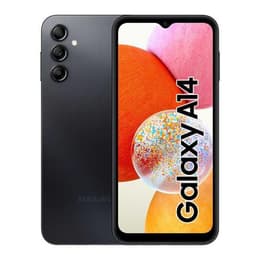
Galaxy A14 5G
Galaxy A14 5G
Starting at

Refurbished price:£82.00

Versus £289.00 new

See options
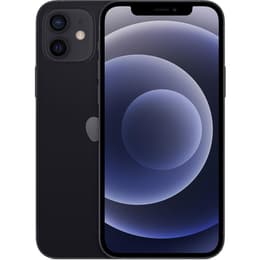
iPhone 12
iPhone 12
Starting at

Refurbished price:£141.00

Versus £649.00 new

See options

Ratings

The Samsung Galaxy A14 5G (2023) and the Apple iPhone 12 (2020) represent two distinct paths for smartphone users in 2026. While the Galaxy A14 5G is a modern entry-level device designed for essential connectivity and long-lasting battery, the iPhone 12 is a former flagship that continues to offer a premium experience through its refined software and high-quality display. The primary differences lie in their physical dimensions and the operating systems they run, with Samsung using Android and Apple using iOS.

Scores

Durability

The Galaxy A14 5G and iPhone 12 offer different perspectives on longevity, balancing their release dates against their original market positions.

  • Software Longevity: The iPhone 12 typically receives security patches for several years after major updates cease, while the Galaxy A14 5G follows a structured quarterly update schedule that ensures it remains secure for everyday use.
  • Build Materials: The iPhone 12 features a glass and aluminium frame with Ceramic Shield protection, whereas the Galaxy A14 5G uses a practical and sturdy plastic construction that is resilient against minor drops.
  • Sustainable Choice: Opting for a quality-assured refurbished option for either device is an eco-friendly way to extend the life of these electronics while ensuring they meet high functional standards.

Year of Release

2023

2020

Compatible with latest Update

Yes

Yes

OS

Android

iOS

Foldable

No

No

Performance

When comparing how these devices handle daily tasks, the differences in their internal hardware become apparent through system responsiveness and endurance.

  • System Responsiveness: The iPhone 12 provides a fluid experience when switching between multiple heavy apps, while the Galaxy A14 5G is better suited for users with more moderate multitasking needs and standard daily applications.
  • Battery Endurance: The Galaxy A14 5G features a large 5000mAh battery that comfortably lasts through a full day of heavy use, often outperforming the iPhone 12's smaller battery in terms of pure longevity between charges.
  • Storage Flexibility: Users of the Galaxy A14 5G can expand their storage capacity using a microSD card, a feature not available on the iPhone 12, which relies solely on its fixed internal capacity.

Memory (GB)

4 GB

4 GB

Screen quality

The viewing experience on these two smartphones is shaped by different display technologies that prioritise either motion smoothness or colour depth.

  • Display Technology: The iPhone 12 uses an OLED panel, which provides deep blacks and vibrant colours that are particularly noticeable when watching high-definition videos. The Galaxy A14 5G uses an LCD panel, which is clear and bright for outdoor use.
  • Refresh Rate: A notable feature of the Galaxy A14 5G is its 90Hz refresh rate, which makes scrolling through lists and navigating the interface feel smoother than the standard 60Hz screen on the iPhone 12.
  • Screen Size: With a 6.6-inch display, the Galaxy A14 5G offers a larger canvas for media consumption compared to the more compact 6.1-inch screen of the iPhone 12.

Resolution

1080 x 2408

1170 x 2532

Screen type

PLS LCD

Super Retina XDR OLED

Audiovisual

Photography and video capabilities are key areas where these devices diverge, with one focusing on lens variety and the other on processing quality.

  • Image Quality: The iPhone 12 excels in low-light photography and provides more natural skin tones and consistent exposure across different environments thanks to its advanced image processing.
  • Video Recording: Users who record a lot of video will find the iPhone 12 more capable, offering higher resolution options and smoother stabilisation for handheld shots.
  • Lens Variety: The Galaxy A14 5G includes a dedicated macro lens for close-up photography, whereas the iPhone 12 includes an ultra-wide lens that is ideal for capturing expansive landscapes or group photos.

Main camera

50 megapixels

12 megapixels

Front camera

13 megapixels

12 megapixels

Miscellaneous

Practical features often dictate the daily user experience, from how you unlock your phone to the types of cables you need to carry.

  • Connectivity and Ports: The Galaxy A14 5G includes a 3.5mm headphone jack and uses a universal USB-C port for charging. The iPhone 12 uses a Lightning port and supports MagSafe for easy wireless charging and accessory attachment.
  • Biometrics: The iPhone 12 uses FaceID for secure and quick unlocking via facial recognition, while the Galaxy A14 5G features a responsive fingerprint sensor built into the side power button.
  • Water Resistance: The iPhone 12 carries an IP68 rating, meaning it is designed to withstand immersion in water, a feature the Galaxy A14 5G does not officially offer.

Weight

201 g

164 g

Screen size (in)

6.6

6.1

Mobile network

5G

5G

SIM card

Dual Physical SIM

Physical SIM + eSIM

Carrier compatibility

Unlocked

Unlocked

Connector

USB-C + Jack 3.5mm

Lightning

In 2026, the choice between the Samsung Galaxy A14 5G and the iPhone 12 depends largely on a user's specific priorities and ecosystem preferences. Based on common user feedback, the Galaxy A14 5G is frequently praised for its exceptional battery life and the convenience of its expandable storage and headphone jack. However, some users note that it can feel less responsive when pushed with intensive gaming or heavy multitasking. The iPhone 12 remains a favourite for those who value a compact, premium-feeling device with a high-quality camera and a display that makes media look its best. Critics of the iPhone 12 often point to its smaller battery capacity, which may require more frequent charging for power users.

Users who prioritise a large screen for reading or watching videos and need a battery that lasts well beyond a single day may find the Galaxy A14 5G to be the more practical fit. Conversely, users who prefer a more compact phone that fits easily in one hand and offers a smoother experience for demanding apps will likely lean toward the iPhone 12. Both devices are available as eco-friendly, quality-assured refurbished options, allowing consumers to make a sustainable choice without compromising on functionality. Ultimately, the decision rests on whether you value the modern endurance and flexibility of the Samsung or the refined performance and display quality of the iPhone.

See all articles

Our recent comparisons