
Samsung
Compare models
Differences at a glance
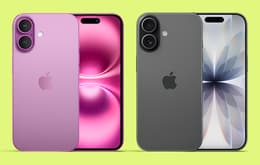
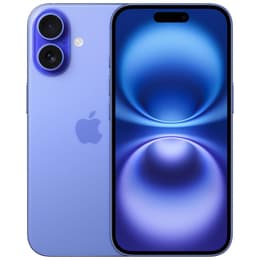
The Samsung Galaxy A36, released in March 2025, and the iPhone 16, launched in September 2024, represent distinct approaches to smartphone design and functionality. While the Galaxy A36 operates on the Android ecosystem, offering extensive customization, the iPhone 16 runs on Apple's iOS, known for its integrated experience. Key differentiators include their display technologies, camera systems, and overall performance profiles, catering to different user preferences.
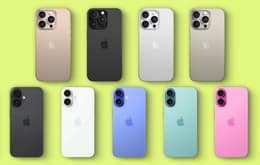
Colour
Storage
When considering the longevity of these devices, several factors come into play, including their release timelines, software support, and physical durability features.
Year of Release
Foldable
The performance of a smartphone is crucial for daily tasks, from app navigation to demanding applications and gaming.
The display is a primary interface for any smartphone, influencing everything from media consumption to daily interactions.
Resolution
Both smartphones offer capable camera systems designed to capture moments, though they approach photography with different strengths.
Front camera
Beyond core specifications, various practical elements contribute to the overall user experience and device utility.
Weight
Screen size (in)
Mobile network
SIM card
Carrier compatibility
Connector
The Samsung Galaxy A36 and iPhone 16 cater to users with differing priorities, each excelling in specific areas. Users often praise the Galaxy A36 for its vibrant Super AMOLED display with a high refresh rate and its robust battery life, which can comfortably last a full day or more for many. Its commitment to long-term software updates is also a frequently cited positive, ensuring the device remains current for an extended period. Some users, however, have noted that while the main camera performs well, the secondary ultrawide and macro lenses may not always deliver the same level of detail, and low-light photography can be a concern without software enhancements. The absence of a microSD card slot, despite some earlier models having it, has also been a point of discussion for those who prefer expandable storage.
Conversely, the iPhone 16 is often lauded for its powerful processor, which provides a consistently smooth and responsive experience across all applications, including demanding games and creative tasks. Its camera system, particularly the main and improved ultrawide lenses with macro capabilities, receives positive feedback for consistent image quality and enhanced low-light performance. The introduction of the Action Button and Camera Control button are also appreciated for adding convenience and quick access to features. Criticisms sometimes revolve around the standard model's fixed 90Hz display refresh rate, which some users find less fluid compared to higher refresh rate screens on other devices. While its Ceramic Shield offers strong drop protection, some durability tests suggest that the display can still be susceptible to damage from side impacts due to thinner bezels.
Users prioritizing a large, high-refresh-rate display and extended battery life within the Android ecosystem, coupled with a long software support commitment, may find the Samsung Galaxy A36 well-suited to their needs. On the other hand, users who value a highly optimized operating system, superior processing power for demanding tasks, a refined camera experience with advanced features, and a compact form factor might lean towards the iPhone 16. Both devices offer compelling features, and choosing between them often comes down to individual preferences for operating system, specific feature sets, and overall user experience. For those looking for an eco-friendly alternative, both models are available as quality-assured refurbished options, providing a sustainable choice for consumers.