
Galaxy A34 Vs iPhone 17

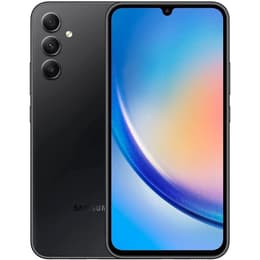
Galaxy A34
Galaxy A34
Starting at

Refurbished price:£105.00

Versus £399.00 new

See options
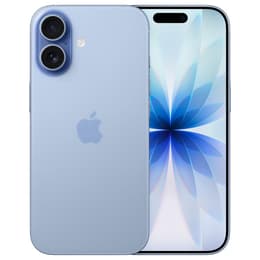
iPhone 17
iPhone 17
Starting at

Refurbished price:£688.00

Versus £799.00 new

See options

Ratings

The Samsung Galaxy A34, released in March 2023, is an Android-based smartphone known for its balanced features, while the iPhone 17, expected in September 2025, represents Apple's latest flagship offering with its iOS operating system. These devices cater to different ecosystems and user priorities, with the Galaxy A34 focusing on accessible features and the iPhone 17 on cutting-edge performance and advanced capabilities. The primary differentiators lie in their operating systems, processing power, and camera systems, reflecting their respective market positions.

Scores

Durability

The practical lifespan of a smartphone is significantly influenced by its release date and the manufacturer's commitment to software updates and repairability.

  • Release Timeline: The Galaxy A34 was released in March 2023, making it a device that has been on the market for some time. The iPhone 17, on the other hand, is a much newer device, having been released in September 2025. This difference in release dates inherently impacts their remaining software support windows.
  • Software Longevity: Samsung typically provides around four major Android OS upgrades and five years of security updates for its A-series devices, meaning the Galaxy A34 is expected to receive updates until approximately 2027. Apple is known for its extended software support, with iPhones generally receiving major iOS updates for six to eight years from their release. This suggests the iPhone 17 will benefit from a significantly longer period of software updates, potentially until 2032 or beyond, offering a longer practical lifespan for users who prioritize the latest features and security. [1, 16, 18, 23, 28, 36, 40]
  • Repairability: Both manufacturers design their devices with varying degrees of repairability. While specific repairability scores can fluctuate, Apple has been making efforts to improve the repair process for its newer devices, and the Galaxy A34, as a mid-range device, generally offers a more straightforward repair experience compared to some premium models.

Year of Release

2023

2025

Compatible with latest Update

Yes

Yes

OS

Android

iOS

Foldable

No

No

Performance

Performance is a key area where these two devices exhibit notable differences, driven by their respective processors and software optimization.

  • Processor Capabilities: The Galaxy A34 is equipped with an octa-core processor that capably handles everyday tasks, web browsing, social media, and moderate gaming. It provides a smooth experience for typical smartphone usage. The iPhone 17, featuring Apple's latest A-series chip, delivers significantly higher processing power. This translates to exceptionally fluid multitasking, rapid app loading, and superior performance in demanding applications, high-fidelity gaming, and complex computational tasks. [1, 25, 32, 37, 38]
  • System Responsiveness: Users of the Galaxy A34 will find the system responsive for daily interactions, with smooth transitions and app switching. The iPhone 17 offers an even more immediate and seamless user experience, where actions feel instantaneous, and the device maintains peak performance even under heavy load.
  • Storage and RAM: The Galaxy A34 offers various configurations, including 6GB or 8GB of RAM and 128GB or 256GB of internal storage, with the added flexibility of expandable storage via a microSD card. [1, 2, 4, 7, 8, 9, 18, 20, 30, 31] The iPhone 17 is expected to come with increased RAM and storage options starting from 256GB, potentially extending to 1TB, though without expandable storage. [25, 37, 38]
  • Battery Behavior: The Galaxy A34 features a large 5000mAh battery, providing ample power for up to two days of typical use for many users. [1, 5, 18] The iPhone 17 is expected to offer excellent battery endurance, benefiting from a highly efficient processor and optimized iOS software, often translating to a full day of heavy use or more. [25, 37, 38]

Memory (GB)

6 GB

8 GB

Screen quality

The display is a primary interface for smartphone interaction, and both devices offer distinct viewing experiences.

  • Display Technology and Clarity: The Galaxy A34 features a 6.6-inch Super AMOLED display with a resolution of 1080 x 2340 pixels, resulting in clear and vibrant visuals with deep blacks and good contrast. [1, 3, 4, 5, 8, 12, 14, 31] The iPhone 17 is equipped with an advanced Super Retina XDR OLED display, likely around 6.3 inches for the base model, offering superior color accuracy, deeper blacks, and enhanced contrast. [22, 32, 37, 38]
  • Brightness Levels: The Galaxy A34's display can reach up to 1000 nits of peak brightness, ensuring good visibility even in bright outdoor conditions. [3, 4, 5, 12, 31, 41] The iPhone 17's OLED panel is expected to offer even higher peak brightness, further improving outdoor readability and enhancing HDR content viewing. [22, 37, 38]
  • Refresh Rate and Smoothness: The Galaxy A34 boasts a 120Hz refresh rate, providing smooth scrolling and fluid animations for a more responsive feel. [1, 3, 4, 5, 8, 12, 14, 31] The iPhone 17 is anticipated to feature ProMotion technology, offering an adaptive refresh rate up to 120Hz across all models, which dynamically adjusts to content for optimal smoothness and power efficiency. [22, 25, 32, 37, 38]

Resolution

1080 x 2340

2622x1206

Screen type

Super AMOLED

Super Retina XDR

Audiovisual

Camera capabilities are a significant consideration for many users, and these devices approach photography with different strengths.

  • Rear Camera System: The Galaxy A34 features a triple-camera setup on the rear, including a 48-megapixel main sensor with optical image stabilization (OIS), an 8-megapixel ultrawide lens, and a 5-megapixel macro lens. [1, 4, 6, 7, 8, 9, 14, 20, 31] This system is capable of capturing detailed photos in good lighting and offers versatility for different shot types. The iPhone 17 is expected to feature a highly advanced camera system, with the base model likely including a 48-megapixel main sensor. Pro models are rumored to incorporate multiple 48-megapixel sensors for wide, ultrawide, and telephoto photography, potentially with advanced optical zoom capabilities. [10, 25, 27, 34, 37, 38]
  • Photography Performance: The Galaxy A34 performs well in everyday photography, producing clear images with good color reproduction. Its low-light performance is competent for its category. The iPhone 17 is expected to excel in various lighting conditions, offering superior low-light performance, enhanced detail, and advanced computational photography features that intelligently optimize images. [10, 26, 35]
  • Video Recording and Front Camera: Both devices support 4K video recording at 30 frames per second. [1, 7, 8] The Galaxy A34 has a 13-megapixel front camera. [1, 4, 6, 8, 9, 14, 20, 31] The iPhone 17 is anticipated to offer more advanced video capabilities, including cinematic modes and potentially 4K recording at 60 frames per second, along with an upgraded front-facing camera, possibly 18-megapixel or higher, with improved features for selfies and video calls. [10, 25, 37, 38]

Main camera

48 megapixels

48 megapixels

Front camera

13 megapixels

18 megapixels

Miscellaneous

Beyond core features, several practical elements contribute to the overall user experience and device utility.

  • Connectivity and Ports: Both the Galaxy A34 and iPhone 17 support 5G cellular connectivity, along with modern Wi-Fi and Bluetooth standards. [1, 4, 7, 8, 14, 31] The Galaxy A34 includes a USB-C port for charging and data transfer. [1, 2, 4, 7, 8] The iPhone 17 is also expected to feature a USB-C port across all models, aligning with current industry trends. [25, 37] Neither device is expected to include a traditional 3.5mm headphone jack.
  • Biometric Security: The Galaxy A34 utilizes an in-display fingerprint sensor for secure unlocking and authentication. [2, 8] The iPhone 17 relies on Face ID, Apple's facial recognition technology, which is expected to be integrated into the display for a more seamless design. [11, 15, 19, 21, 24, 33, 37]
  • Build Materials and Durability: The Galaxy A34 features a Gorilla Glass 5 front, with a plastic back and frame, offering IP67 dust and water resistance. [1, 2, 3, 5, 14, 31, 41] The iPhone 17 is expected to incorporate premium materials such as an aluminum alloy or titanium frame (for Pro models) and Ceramic Shield 2 on the front for enhanced drop and scratch resistance, along with IP68 water resistance. [25, 37, 38]
  • Dimensions and Handling: The Galaxy A34 measures 161.3 x 78.1 x 8.2 mm and weighs 199g, providing a substantial feel in hand. [1, 8, 14, 20, 31] The iPhone 17 is expected to maintain a relatively compact form factor for its base model, potentially with a slightly larger display than previous generations, and may feature a thinner design for certain variants. [25, 32, 38]

Weight

199 g

177 g

Screen size (in)

6.6

6.3

Mobile network

5G

5G

SIM card

Dual Physical SIM

Physical SIM + eSIM

Carrier compatibility

Unlocked

Unlocked

Connector

USB-C

USB-C

Choosing between the Samsung Galaxy A34 and the iPhone 17 involves weighing different priorities and ecosystem preferences. Users often praise the Galaxy A34 for its vibrant Super AMOLED display, reliable battery life, and the flexibility of Android's customization options and expandable storage. Common feedback highlights its solid performance for everyday tasks and a capable camera system for its segment. Some users, however, might note that its build materials are less premium compared to higher-end devices.

The iPhone 17, as a newer flagship, is anticipated to receive acclaim for its cutting-edge performance, advanced camera capabilities, and the seamless integration within the iOS ecosystem. Users typically value iPhones for their long-term software support, robust security features like Face ID, and consistent user experience. Potential considerations for some users might include the absence of expandable storage and the more controlled nature of the iOS environment.

Users prioritizing a large, vibrant display, extensive battery life, and the flexibility of the Android operating system, along with expandable storage, may find the Galaxy A34 well-suited to their needs. Conversely, users who seek the latest in mobile processing power, advanced photography and videography features, a premium build, and a longer software support lifespan within the Apple ecosystem will likely lean towards the iPhone 17. Both devices offer compelling features for their respective audiences, and considering a quality-assured refurbished option for either model can be an eco-friendly alternative for making an informed and sustainable choice.


See all articles

Our recent comparisons