Galaxy A25 Vs iPhone 14

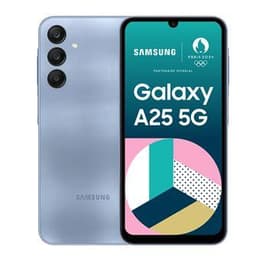
Galaxy A25
Galaxy A25
Starting at

Refurbished price:£122.00

Versus £272.58 new

See options
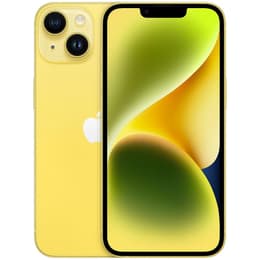
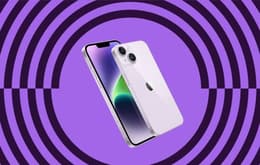
iPhone 14
iPhone 14
Starting at

Refurbished price:£229.00

Versus £599.00 new

See options

Ratings

The Samsung Galaxy A25, released in late 2023, and the Apple iPhone 14, launched in late 2022, represent two distinct philosophies in the smartphone market. While the Galaxy A25 is a modern entry in the Android ecosystem, the iPhone 14 remains a powerful and compact staple of the iOS lineup. The primary differentiators between these two devices are their display refresh rates and their physical build materials. Users will find that the Galaxy A25 offers a larger, more fluid screen experience, whereas the iPhone 14 prioritises high-end processing power and a more integrated software-hardware ecosystem.

Scores

Durability

When evaluating how long these devices will remain functional and relevant, software support and physical construction play the most significant roles in their practical lifespan.

  • Software Longevity: The iPhone 14 is expected to receive iOS updates for approximately six to seven years from its release date, ensuring it stays current until nearly 2029. The Galaxy A25 follows Samsung's commitment to four generations of Android OS updates and five years of security patches, providing a reliable software experience through 2028.
  • Build Materials and Resilience: The iPhone 14 features a glass and aluminium frame with a Ceramic Shield front, designed to resist scratches and minor impacts. In contrast, the Galaxy A25 utilises a sturdy plastic construction which is less prone to shattering than glass but may show surface wear more easily over time.
  • Repairability: Both manufacturers have made strides in making parts more accessible, though the iPhone 14 benefits from a vast global network of independent technicians, while the Galaxy A25's simpler internal layout makes it relatively straightforward for standard component replacements like batteries or screens.

Year of Release

2023

2022

Compatible with latest Update

Yes

Yes

OS

Android

iOS

Foldable

No

No

Performance

Performance is not just about speed; it is about how smoothly a device handles your daily routine, from checking emails to editing short videos for social media.

  • System Responsiveness: The iPhone 14 utilizes highly efficient internal hardware that allows for near-instant app launches and seamless multitasking, even with demanding professional applications. The Galaxy A25 provides a steady and reliable experience for everyday tasks like web browsing and messaging, though users may notice slight pauses when switching between many open apps.
  • Gaming and Heavy Tasks: For mobile gaming, the iPhone 14 maintains high frame rates and handles complex graphics without significant heat buildup. The Galaxy A25 is well-suited for casual gaming and standard productivity, though it may struggle with the most graphically intense titles.
  • Battery Management: The Galaxy A25 houses a large battery capacity that easily lasts through a full day of heavy use, benefiting from a processor that prioritises energy efficiency. The iPhone 14 has a physically smaller battery but uses intelligent software optimisations to ensure it comfortably reaches the end of the day for most users.

Memory (GB)

6 GB

6 GB

Screen quality

The display is the primary way you interact with your device, and these two models offer very different visual experiences based on their underlying technology.

  • Fluidity and Motion: The Galaxy A25 features a 120Hz refresh rate, which means the screen updates 120 times per second, resulting in incredibly smooth scrolling and animations. The iPhone 14 uses a standard 60Hz refresh rate, which is consistent and clear but lacks the ultra-smooth motion found on the Samsung.
  • Display Technology: Both devices use advanced OLED-based panels that provide deep blacks and vibrant colours. The iPhone 14's Super Retina XDR display is known for its colour accuracy and high peak brightness, making it easy to see in direct sunlight. The Galaxy A25's Super AMOLED screen is larger, offering more real estate for watching videos or reading.
  • Viewing Experience: With a 6.5-inch screen, the Galaxy A25 is better suited for media consumption and those who prefer larger text. The iPhone 14's 6.1-inch display is more compact, making it easier to use with one hand while still providing enough clarity for high-definition content.

Resolution

1080 x 2340

1170 x 2532

Screen type

Super AMOLED

Super Retina XDR OLED

Audiovisual

Whether you are capturing family memories or recording video for work, the camera systems on these devices cater to different types of photographers.

  • Photo Detail and Versatility: The Galaxy A25 employs a high-resolution 50MP main sensor that captures significant detail in bright daylight, accompanied by an ultra-wide lens for landscapes. The iPhone 14 uses a 12MP dual-camera system that focuses on image processing, producing natural skin tones and excellent dynamic range in various lighting conditions.
  • Video Capabilities: The iPhone 14 is widely regarded for its video stability and quality, offering features like Action Mode for smooth handheld shots and Cinematic Mode for professional-looking depth of field. The Galaxy A25 provides solid video recording for social media, including optical image stabilisation to reduce shakiness.
  • Low-Light Performance: In darker environments, the iPhone 14's larger sensor and software optimisations allow it to capture brighter images with less noise. The Galaxy A25 includes a dedicated Night Mode that helps brighten evening shots, though it may lose some fine detail compared to the iPhone.

Main camera

50 megapixels

12 megapixels

Front camera

13 megapixels

12 megapixels

Miscellaneous

Beyond the main specifications, small practical details like connectivity and physical handling can significantly impact your daily satisfaction with a smartphone.

  • Connectivity and Ports: The Galaxy A25 features a modern USB-C port for charging and data transfer, along with a traditional 3.5mm headphone jack, which is rare in modern phones. The iPhone 14 uses the Lightning port and requires wireless headphones or an adapter for wired audio.
  • Biometrics and Security: For unlocking the device, the iPhone 14 uses FaceID, which scans your facial features for secure access. The Galaxy A25 uses a fingerprint sensor integrated into the power button on the side, which many users find convenient for quick unlocking while pulling the phone from a pocket.
  • Size and Ergonomics: The iPhone 14 is notably lighter and thinner, making it a preferred choice for users with smaller hands or those who dislike bulky devices. The Galaxy A25 is larger and heavier, providing a more substantial feel that some users find more secure to hold.

Weight

197 g

172 g

Screen size (in)

6.5

6.1

Mobile network

5G

5G

SIM card

Dual Physical SIM

Physical SIM + eSIM

Carrier compatibility

Unlocked

Unlocked

Connector

USB-C

Lightning

Choosing between the Galaxy A25 and the iPhone 14 often comes down to your preference for screen size versus raw processing power. Based on user feedback from various tech forums, the Galaxy A25 is frequently praised for its impressive battery life and the smoothness of its 120Hz display, which many find surprising for its category. However, some users note that its plastic build feels less substantial than flagship models. On the other hand, the iPhone 14 receives consistent acclaim for its exceptional video quality and the longevity of its software support, though some users express a desire for a faster refresh rate on the screen.

Users who prioritise a large, fluid screen for browsing and media consumption, along with the convenience of a headphone jack, will find the Galaxy A25 to be a practical and capable companion. Conversely, users who prefer a compact, high-performance device with a focus on top-tier video recording and long-term software reliability will likely lean toward the iPhone 14. For those looking to make a sustainable choice, opting for a quality-assured refurbished option is an excellent way to acquire these features while reducing environmental impact. Both devices are available as an eco-friendly alternative through refurbishment, ensuring you get a thoroughly tested device that fits your specific needs without compromise.

See all articles

Our recent comparisons