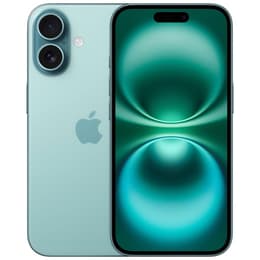

Galaxy A14 Vs iPhone 16

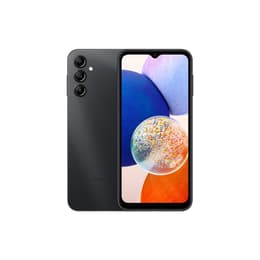
Galaxy A14
Galaxy A14
Starting at

Refurbished price:£81.00

Versus £269.00 new

See options
iPhone 16
iPhone 16
Starting at

Refurbished price:£475.00

Versus £699.00 new

See options

Ratings

The Samsung Galaxy A14, released in January 2023, and the Apple iPhone 16, launched in September 2024, represent distinct segments of the smartphone market. While both devices offer core smartphone functionalities, they differ significantly in their operating systems, overall performance capabilities, and target user experiences. The Galaxy A14 operates on Android, providing a customizable interface, whereas the iPhone 16 runs on Apple's iOS, known for its integrated ecosystem and streamlined user experience.

Scores

Durability

When considering the practical lifespan of these devices, several factors come into play, including their release timelines, software support, and physical construction.

  • Release Timeline and Age: The Galaxy A14 was released in early 2023, making it over three years old at the current date. The iPhone 16, released in late 2024, is a much newer device, offering a more current hardware and software foundation.
  • OS Support Duration: The Galaxy A14 launched with Android 13 and is expected to receive two major OS upgrades, bringing it up to Android 15, with security updates continuing until early 2027. [9, 12] In contrast, the iPhone 16, which launched with iOS 18, is anticipated to receive major iOS updates for approximately seven years and security updates for an even longer period, potentially until around 2036. [32, 33, 34, 35]
  • Physical Durability: The Galaxy A14 features a plastic construction, which offers a degree of resilience to everyday bumps. The iPhone 16, built with more premium materials and rated IP68 for water and dust resistance, generally offers enhanced protection against environmental elements. [8, 23]

Year of Release

2023

2024

Compatible with latest Update

No

Yes

Foldable

No

No

Performance

The performance of a smartphone dictates its responsiveness and ability to handle various tasks, from simple browsing to demanding applications.

  • Processor Capabilities: The Galaxy A14 is equipped with a processor designed for everyday tasks and moderate usage. Users may experience occasional delays or stutters when navigating the interface or running multiple applications simultaneously. [6] The iPhone 16, featuring a more advanced processor, is engineered for demanding applications, smooth multitasking, and graphically intensive gaming, providing a fluid user experience. [14, 20, 23]
  • Storage and RAM: The Galaxy A14 offers storage options up to 128GB and up to 6GB of RAM, which is suitable for basic app usage and media storage, with expandable storage via microSD. [1, 2, 7, 17] The iPhone 16 starts with 128GB of storage and includes 8GB of RAM, facilitating efficient multitasking and handling of larger applications without performance degradation. [8, 20]
  • Battery Behavior: The Galaxy A14 is known for its substantial 5000 mAh battery, often providing up to two days of use on a single charge for average users. [6, 18, 21] The iPhone 16 also offers robust battery performance, with Apple claiming up to 22 hours of video playback, indicating reliable all-day usage for most users. [20]

Memory (GB)

4 GB

8 GB

Screen quality

The display is a primary interface for smartphone interaction, and its quality significantly impacts the visual experience.

  • Display Technology and Resolution: The Galaxy A14 features a 6.6-inch PLS LCD display with a 1080 x 2408 pixel resolution. [1, 2, 7] This provides clear visuals for general content consumption. The iPhone 16 boasts a 6.1-inch Super Retina XDR OLED display with a 2556 x 1179 pixel resolution, offering deeper blacks, higher contrast, and more vibrant colors. [20, 23]
  • Brightness and Outdoor Visibility: While the Galaxy A14's display is generally vibrant, some users report it can be dim in bright outdoor conditions. [17] The iPhone 16's OLED display offers significantly higher brightness levels, with a peak outdoor brightness of 2000 nits, ensuring excellent visibility even under direct sunlight. [23]
  • Refresh Rate: The 5G variant of the Galaxy A14 features a 90Hz refresh rate, providing a smoother scrolling experience compared to standard 60Hz displays. [1, 21] The iPhone 16 maintains a 60Hz refresh rate, which is standard but does not offer the same fluidity as higher refresh rate screens. [20]

Resolution

1080 x 2408

1179 x 2556

Screen type

PLS LCD

Super Retina XDR OLED

Audiovisual

Camera capabilities are a key differentiator, influencing how users capture and share their experiences.

  • Rear Camera System: The Galaxy A14 includes a triple-camera setup with a 50-megapixel main sensor, complemented by 2-megapixel macro and depth sensors. [1, 16, 21] It performs well in good lighting conditions, but lacks an ultrawide lens and struggles in low-light environments. [6, 17, 18] The iPhone 16 features an advanced dual-camera system, including a 48-megapixel main sensor with sensor-shift optical image stabilization and a 12-megapixel ultrawide lens with a faster aperture for improved low-light performance. [23, 27, 29]
  • Photography Features: The iPhone 16 offers advanced computational photography features, including macro photography support and the ability to capture spatial videos, which are not available on the Galaxy A14. [22, 27] Both devices include a front-facing camera, with the iPhone 16 featuring a 12-megapixel sensor with autofocus, compared to the Galaxy A14's 13-megapixel sensor. [1, 23]
  • Video Recording: The Galaxy A14 supports video recording up to 1080p at 30 frames per second. [6, 19] The iPhone 16 offers more advanced video capabilities, including 4K Dolby Vision video recording at up to 60 frames per second, Cinematic mode, and Action mode for stabilized footage. [23]

Main camera

50 megapixels

48 megapixels

Front camera

13 megapixels

12 megapixels

Miscellaneous

Beyond core features, several practical elements contribute to the overall user experience and device utility.

  • Connectivity and Ports: Both devices support 5G connectivity. The Galaxy A14 includes a 3.5mm headphone jack and uses USB-C for charging and data transfer. [1, 7, 17] The iPhone 16 also utilizes USB-C and features more advanced wireless technologies like Wi-Fi 7 and Bluetooth 5.3. [8, 10, 23]
  • Biometrics and Sensors: The Galaxy A14 incorporates a side-mounted fingerprint sensor for secure unlocking. [1] The iPhone 16 relies on Face ID for biometric authentication, offering a different approach to security and convenience. [23] The iPhone 16 also introduces an Action Button, which can be customized for quick access to various functions. [24]
  • Design and Handling: The Galaxy A14 has a plastic build and a slightly thicker, blockier design, weighing around 204 grams. [1, 7, 21] The iPhone 16 features a more compact and lighter design at 170 grams, with premium materials and an IP68 rating for enhanced durability. [8, 23]

Weight

201 g

170 g

Screen size (in)

6.6

6.1

Mobile network

4G

5G

SIM card

Dual Physical SIM

Physical SIM + eSIM

Carrier compatibility

Unlocked

Unlocked

The Samsung Galaxy A14 and iPhone 16 cater to different user needs and priorities. User feedback for the Galaxy A14 often highlights its strong battery life and capable main camera for its segment. [6, 17, 18] However, common criticisms include its performance, which can feel slow for demanding tasks, and the display's limited outdoor visibility. [6, 17, 21] Users generally appreciate its inclusion of a headphone jack and expandable storage. [17, 18]

For the iPhone 16, users frequently praise its powerful performance, advanced camera system with new features like macro photography and spatial video, and the long-term software support Apple provides. [14, 22, 27, 32] The integrated iOS ecosystem and premium build quality are also often cited as strong points. Some users might note the absence of a headphone jack or expandable storage as a trade-off for its streamlined design.

Users prioritizing a device for essential communication, web browsing, and extended battery life without needing top-tier performance or advanced camera features may find the Galaxy A14 well-suited to their needs. It offers a functional Android experience with practical features like a headphone jack and expandable storage. Conversely, users who prioritize cutting-edge performance, a sophisticated camera system, long-term software updates, and a premium user experience will likely lean towards the iPhone 16. It is designed for those who engage in demanding applications, advanced photography, and value a tightly integrated ecosystem.

Both devices, when considering refurbished options, offer an eco-friendly and quality-assured alternative for consumers looking to make informed and sustainable choices.
See all articles

Our recent comparisons