Compare models
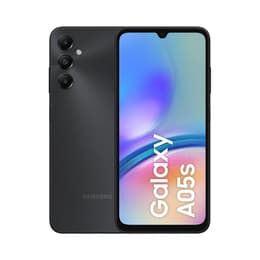
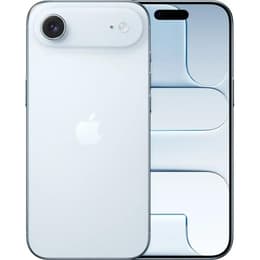
Galaxy A05s Vs iPhone Air
- 1-year minimum warranty
- Free delivery on all items
- Free 30-day returns
Differences at a glance
The Samsung Galaxy A05s (2023) and the Apple iPhone Air (2025) represent two entirely different approaches to mobile technology, serving distinct market tiers and operating systems. While the Galaxy A05s offers a conventional, practical smartphone experience on the Android platform, the iPhone Air introduces a uniquely slim profile and high-end internals running iOS. These two devices differ significantly in their launch years, core engineering, and target device categories.
Available Models
Colour
Storage
Scores
Durability
When examining longevity and durability, the Samsung Galaxy A05s and the iPhone Air cater to different update timelines and build philosophies.
- Software Support: The iPhone Air benefits from Apple's extended software update schedule, whereas the Galaxy A05s follows a standard multi-year security update path typical of its class.
- Build and Repairability: The iPhone Air features a titanium frame and specialized glass protection, while the Galaxy A05s utilizes a plastic body construction that handles everyday wear differently.
- Expected Lifespan: Both devices offer solid practical lifespans depending on user care, with the iPhone Air providing higher-tier hardware headroom for future software demands.
Year of Release
2023
2025
Compatible with latest Update
No
Yes
OS
Android
iOS
Foldable
No
No
Performance
Under daily workloads, the Galaxy A05s and the iPhone Air handle multitasking, storage, and battery endurance through contrasting hardware configurations.
- Everyday Responsiveness: The iPhone Air executes demanding applications and intensive multitasking effortlessly, while the Galaxy A05s handles standard web browsing, messaging, and casual apps reliably.
- Battery Behavior: The Galaxy A05s relies on a large-capacity cell that easily stretches through a full day of mixed use, whereas the thinner profile of the iPhone Air results in more moderate battery longevity under heavy workloads.
- Memory and Storage: The iPhone Air offers high-tier storage tiers paired with extensive RAM for seamless background app management, while the Galaxy A05s provides expandable storage options via a microSD card slot.
Screen quality
Display characteristics differ markedly between the two models, impacting media consumption, outdoor legibility, and visual fluidity.
- Display Technology: The iPhone Air incorporates a vibrant OLED screen with deep contrast and high peak brightness, whereas the Galaxy A05s uses a standard LCD panel with a smooth 90Hz refresh rate.
- Clarity and Resolution: The iPhone Air delivers a higher pixel density for sharp text rendering, while the larger 6.7-inch screen on the Galaxy A05s offers a spacious viewing area for reading and videos.
- Outdoor Visibility: The iPhone Air achieves higher maximum brightness levels for clear visibility under direct sunlight compared to the Galaxy A05s.
Resolution
1080 x 2400
2736x1260
Audiovisual
Photography and media capabilities vary substantially, reflecting the distinct design constraints and sensor technologies of each phone.
- Camera Systems: The iPhone Air utilizes a high-resolution single rear lens paired with advanced image processing, whereas the Galaxy A05s features a multi-lens array including a primary sensor and supportive macro and depth lenses.
- Video and Low-Light: The iPhone Air excels in low-light environments and advanced video recording formats, while the Galaxy A05s handles standard daylight snapshots and casual 1080p video adequately.
- Audio Output: The iPhone Air features a specialized speaker configuration for media playback, while the Galaxy A05s provides standard mono loudspeaker output for calls and media.
Front camera
13 megapixels
18 megapixels
Miscellaneous
Practical physical traits, connectivity standards, and daily usability features separate these two smartphones.
- Connectivity: The iPhone Air supports advanced wireless standards including Wi-Fi 7 and 5G networks, while the Galaxy A05s focuses on standard 4G connectivity and traditional physical SIM slots.
- Physical Dimensions: The iPhone Air stands out for its exceptionally thin and lightweight titanium build, whereas the Galaxy A05s has a thicker plastic profile that adds noticeable weight in the hand.
- Biometrics: The iPhone Air utilizes facial recognition security, while the Galaxy A05s incorporates a side-mounted fingerprint scanner embedded in the power button.
Weight
194 g
165 g
Screen size (in)
6.7
6.5
Mobile network
4G
5G
SIM card
Physical SIM
eSIM
Carrier compatibility
Unlocked
Unlocked
Connector
USB-C
USB-C
What the community thinks
Choosing between the Samsung Galaxy A05s and the iPhone Air depends entirely on individual user priorities, ecosystem preferences, and daily functional requirements. Users who prioritize a lightweight, ultra-thin form factor, advanced processing power, and long-term software support will find the iPhone Air well-suited to their needs. Conversely, users who prefer an Android interface, expandable storage flexibility, and a reliable device for everyday messaging and media consumption may lean toward the Galaxy A05s.
Reviewers and everyday owners frequently praise the iPhone Air for its breakthrough physical design and fluid display, though some note its single camera and battery constraints. Meanwhile, users appreciate the Galaxy A05s for its straightforward functionality and dependable everyday battery endurance, while noting its basic processor limitations. For those seeking a quality-assured refurbished option, exploring sustainable choices on Back Market provides an eco-friendly alternative to purchasing brand-new hardware.