
Galaxy Z Fold5 Vs iPhone 16 Plus

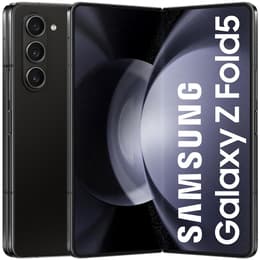
Galaxy Z Fold5
Galaxy Z Fold5
Starting at

Refurbished price:£413.00

Versus £1,770.61 new

See options
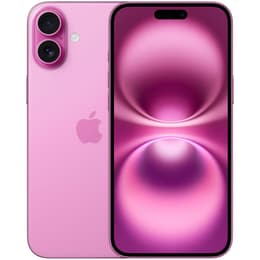
iPhone 16 Plus
iPhone 16 Plus
Starting at

Refurbished price:£503.46

Versus £799.00 new

See options

Ratings

The Samsung Galaxy Z Fold5, released in 2023, represents the pinnacle of foldable smartphone technology, offering a unique dual-screen experience that transforms from a compact phone to a tablet. In contrast, the iPhone 16 Plus, a hypothetical model expected around 2025, is anticipated to be a traditional large-screen slab smartphone, building on Apple's established design and ecosystem. The primary distinction lies in their form factors: the Z Fold5's innovative folding design versus the iPhone 16 Plus's conventional, yet expansive, display. Both devices run on their respective flagship operating systems, Android for the Z Fold5 and iOS for the iPhone 16 Plus, offering distinct user experiences.

Scores

Durability

When considering the practical lifespan, both devices offer robust software support, though their release timelines differ. The Galaxy Z Fold5, launched in 2023, typically receives several years of major Android updates and security patches, ensuring its functionality for a significant period. The iPhone 16 Plus, as a newer model, is expected to benefit from Apple's industry-leading software support, often extending to five or more years of iOS updates from its release.

  • Software Longevity: The iPhone 16 Plus is likely to receive software updates for a longer duration, providing extended access to new features and security enhancements compared to the Z Fold5.
  • Physical Durability: The Z Fold5's foldable design introduces a hinge mechanism and a flexible inner screen, which, while robust, may have different long-term wear characteristics than the solid glass and metal construction of the iPhone 16 Plus.
  • Repairability: Both manufacturers have made strides in repairability, but the complex engineering of a foldable device like the Z Fold5 can sometimes make repairs more intricate than for a traditional slab phone like the iPhone 16 Plus.

Year of Release

2023

2024

Compatible with latest Update

Yes

Yes

Foldable

Yes

No

Performance

Both the Galaxy Z Fold5 and the anticipated iPhone 16 Plus are designed to deliver top-tier performance, capable of handling demanding applications and multitasking with ease. Their approaches to achieving this, however, are tailored to their respective ecosystems and form factors.

  • Processing Power: The Z Fold5 features a high-end processor that efficiently manages its dual-screen environment and demanding applications. The iPhone 16 Plus is expected to house Apple's latest-generation chip, known for its raw power and optimized performance across iOS applications.
  • Multitasking Experience: The Z Fold5 excels in multitasking due to its large inner display, allowing users to run multiple apps side-by-side effectively. The iPhone 16 Plus, while powerful, offers a more traditional single-screen multitasking experience.
  • Battery Behavior: The Z Fold5's battery capacity is designed to power two displays, offering a full day of moderate use, though heavy use of the inner screen may require more frequent charging. The iPhone 16 Plus, with its larger form factor, is expected to feature a substantial battery, providing excellent endurance for extended usage.

Memory (GB)

12 GB

8 GB

Screen quality

The screen experience is a primary differentiator between these two devices, with the Z Fold5 offering a unique foldable display and the iPhone 16 Plus providing a large, traditional panel.

  • Display Technology: The Z Fold5 features two Dynamic AMOLED 2X displays, offering vibrant colors, deep blacks, and high contrast on both its outer and inner screens. The iPhone 16 Plus is expected to utilize a large OLED display, known for similar visual fidelity and energy efficiency.
  • Screen Size and Usage: The Z Fold5 provides a compact 6.2-inch outer screen for quick interactions and unfolds into a spacious 7.6-inch main display, ideal for productivity and media consumption. The iPhone 16 Plus will likely offer a single large display, possibly around 6.7 to 6.9 inches, providing an expansive viewing area without the folding mechanism.
  • Refresh Rate and Brightness: Both devices are expected to feature high refresh rates (likely 120Hz) for smooth scrolling and responsive interactions. They also offer high peak brightness levels, ensuring good visibility even in bright outdoor conditions.

Resolution

1812 x 2176

1290 x 2796

Screen type

Foldable Dynamic AMOLED 2X

Super Retina XDR OLED

Audiovisual

Both the Galaxy Z Fold5 and the iPhone 16 Plus are equipped with advanced camera systems, designed to capture high-quality photos and videos in various conditions, though their specific strengths may vary.

  • Versatility of Lenses: The Z Fold5 typically includes a versatile triple-camera setup with main, ultrawide, and telephoto lenses, offering flexibility for different shooting scenarios. The iPhone 16 Plus is expected to feature a powerful dual-camera system, focusing on high-quality main and ultrawide sensors, with potential software enhancements for zoom capabilities.
  • Photography Performance: The Z Fold5 delivers strong performance in good lighting, with detailed and color-accurate images. Its low-light capabilities are solid, though sometimes surpassed by dedicated slab flagships. The iPhone 16 Plus is anticipated to excel in computational photography, offering consistent image quality across various lighting conditions, particularly strong in low light and video recording.
  • Video Capabilities: iPhones are generally recognized for their excellent video recording quality, offering smooth, stable footage with good dynamic range. The Z Fold5 also provides high-resolution video recording with good stabilization, suitable for everyday use and content creation.

Main camera

50 megapixels

48 megapixels

Front camera

4 megapixels

12 megapixels

Miscellaneous

Beyond their core features, both devices offer a range of practical elements that contribute to their overall user experience, from connectivity to physical design.

  • Connectivity Standards: Both the Z Fold5 and the iPhone 16 Plus support the latest connectivity standards, including 5G for fast mobile data, advanced Wi-Fi protocols (e.g., Wi-Fi 6E or 7), and modern Bluetooth versions for seamless accessory pairing.
  • Port and Biometrics: The Z Fold5 uses a USB-C port for charging and data transfer, and features a side-mounted fingerprint sensor for secure unlocking. The iPhone 16 Plus, following recent Apple trends, will also feature a USB-C port and relies on Face ID for secure facial recognition.
  • Design and Handling: The Z Fold5 is heavier and thicker when folded compared to a traditional smartphone, but offers the benefit of a large tablet-like screen. The iPhone 16 Plus, while a large slab phone, will likely be thinner and lighter than the folded Z Fold5, offering a more conventional in-hand feel. The Z Fold5 also supports the S Pen for enhanced productivity.

Weight

150 g

199 g

Screen size (in)

7.6

6.7

Mobile network

4G

5G

SIM card

Dual Physical SIM + eSIM

Physical SIM + eSIM

Carrier compatibility

Unlocked

Unlocked

Connector

USB-C

USB-C (USB 2)

Choosing between the Galaxy Z Fold5 and the iPhone 16 Plus largely depends on a user's preference for form factor and operating system. Users often praise the Z Fold5 for its innovative folding design, which offers unparalleled screen real estate for multitasking and media consumption on the go. Its ability to transform from a pocketable phone to a small tablet is a significant draw for those seeking versatility. However, some users note its increased weight and thickness, and the inherent durability considerations of a flexible screen.

The iPhone 16 Plus, on the other hand, is anticipated to be lauded for its robust performance, long-term software support, and a consistently excellent camera system within a familiar, durable slab design. Users typically appreciate the seamless integration within the Apple ecosystem and the intuitive iOS experience. Potential criticisms might revolve around its less innovative form factor compared to foldables, or its premium pricing.

Users prioritizing a large, adaptable screen for productivity, content creation, or immersive media viewing, and who are comfortable with the Android ecosystem, may find the Galaxy Z Fold5 to be an excellent fit. Conversely, individuals who value a powerful, reliable, and user-friendly smartphone with a long support life, a top-tier camera, and the iOS experience, will likely gravitate towards the iPhone 16 Plus. Both devices represent high-end options in their respective categories, and considering a quality-assured refurbished option for either can be an eco-friendly alternative to purchasing new, allowing for informed and sustainable choices.

See all articles

Our recent comparisons