Compare models
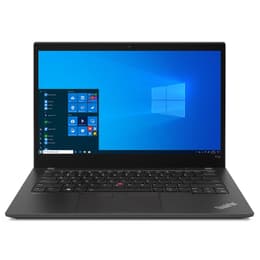
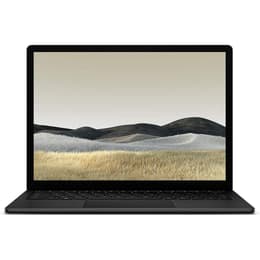
Lenovo ThinkPad T14 G2 14" Vs Microsoft Surface Laptop 3 13"
- 1-year minimum warranty
- Free delivery on all items
- Free 30-day returns
Differences at a glance
The Lenovo ThinkPad T14 Gen 2 (2021) and the Microsoft Surface Laptop 3 13-inch (2019) represent two distinct philosophies in portable computing, catering to professionals, students, and frequent travelers. While both run on desktop operating systems and feature 14-inch and 13.5-inch form factors respectively, they approach daily productivity through different design choices. The ThinkPad prioritizes rugged modularity, extensive port selection, and enterprise-grade reliability, whereas the Surface Laptop emphasizes a sleek aesthetic, lightweight portability, and a minimalist design. Choosing between them depends on whether daily routines lean toward heavy peripheral connectivity and durable field use or lightweight travel and streamlined office environments.
Available Models
Storage (GB)
Processor
Memory (GB)
Scores
Durability
When evaluating structural durability and software longevity, both laptops offer robust lifespans, though they handle long-term maintenance and updates differently.
- Release timeline and support: The Lenovo ThinkPad T14 Gen 2 arrived in 2021, two years after the Microsoft Surface Laptop 3 debuted in 2019, giving the Lenovo model a slight advantage in remaining hardware support windows. Both operate primarily on standard desktop operating systems that receive ongoing security updates and feature upgrades.
- Repairability and modularity: The ThinkPad line traditionally features accessible internal components, replaceable RAM modules, and an easier path for long-term maintenance. In contrast, the Surface Laptop 3 features a tightly sealed internal architecture that presents more challenges for component replacement and internal repairs.
- Expected practical lifespan: Users can expect several more years of reliable daily service from both machines, with the ThinkPad offering easier part swaps to extend operational life, making quality-assured refurbished options a sustainable choice for reducing electronic waste.
Year of Release
2021
2019
OS
Windows 11
Windows 11
Performance
Day-to-day speed and responsiveness vary based on configuration options, thermal management, and how each machine handles multi-application workloads.
- Storage and memory handling: Both devices offer configurable solid-state storage for quick file access and responsive boot times. However, the ThinkPad T14 Gen 2 frequently includes upgradeable memory slots, whereas the Surface Laptop 3 features soldered memory configurations that cannot be expanded after purchase.
- Everyday application speed: Both laptops handle standard office tasks, web browsing with multiple tabs open, and document editing smoothly. The processors inside both models manage demanding office software without noticeable stutter, though heavy sustained workloads reveal differences in internal cooling efficiency.
- Battery behavior in typical use: Real-world battery endurance varies depending on screen brightness and active applications. Both devices generally manage to last through a standard workday of mixed web browsing and word processing, though intensive processing tasks reduce off-charger operation time significantly.
Graphic card
Integrated Graphics
Integrated Graphics
Screen quality
Display characteristics differ significantly in aspect ratio, pixel density, and panel coatings, affecting how media and documents are viewed.
- Display technology and proportions: The Surface Laptop 3 utilizes a 3:2 aspect ratio display, which provides extra vertical screen space ideal for reading documents and web pages. The ThinkPad T14 Gen 2 uses a traditional 16:9 widescreen format, which is well-suited for side-by-side window multitasking and watching widescreen video content.
- Resolution and visual clarity: Both laptops feature sharp resolutions that render crisp text and clear image details. Panel coatings also differ, with anti-glare options available on the ThinkPad to minimize overhead light reflections, while the Surface offers glossy glass touchscreens that display vibrant colors alongside higher reflectivity.
- Brightness and outdoor usability: Maximum brightness levels on both screens allow for comfortable indoor use in well-lit offices. Outdoor or direct sunlight usage requires higher brightness settings on both devices, though matte screen coatings handle ambient reflections more effectively in bright environments.
Audiovisual
Media consumption, video conferencing capabilities, and audio output vary across both portable form factors.
- Webcam and conferencing: Both models feature built-in webcasting cameras suitable for routine video calls and remote meetings. Image clarity in standard office lighting is acceptable on both, though low-light performance introduces visible grain during evening calls.
- Microphone and voice clarity: Integrated microphone arrays on both laptops capture speech clearly during virtual conferences, filtering out low-level background room hums effectively enough for professional communication.
- Speaker output and media enjoyment: The Surface Laptop 3 delivers balanced stereo sound with clear vocal tones for podcasts and video streaming. The ThinkPad T14 Gen 2 provides adequate audio output for conference calls and casual media playback, though external headphones or speakers improve deep bass response on both devices.
Miscellaneous
Physical dimensions, weight distribution, and peripheral connectivity options define how easily each laptop travels and integrates into workspace setups.
- Port selection and connectivity: The ThinkPad T14 Gen 2 offers a broad array of built-in connections, including traditional USB ports, HDMI outputs, and network jacks, reducing the need for external adapters. The Surface Laptop 3 relies on a more streamlined selection, featuring a single traditional port alongside a modern universal connection port.
- Physical dimensions and weight: The Surface Laptop 3 features a slim, lightweight aluminum profile that slips easily into tight bags for frequent commuters. The ThinkPad T14 Gen 2 carries a slightly thicker, reinforced chassis designed to withstand rugged daily transit and demanding environments.
- Security and daily interaction: Both devices incorporate reliable authentication sensors, such as facial recognition or fingerprint readers, allowing users to sign into their operating systems quickly and securely without typing passwords.
Weight
1530 g
3000 g
Screen size
14
13
What the community thinks
Choosing between the Lenovo ThinkPad T14 Gen 2 and the Microsoft Surface Laptop 3 depends largely on individual workflow priorities and daily physical usage patterns. Users who value extensive built-in connectivity, upgradeable internal components, and a sturdy chassis designed for heavy field use will find the ThinkPad T14 Gen 2 well-suited to their needs. Conversely, users who prioritize a sleek, lightweight profile, a taller screen format for document editing, and a minimalist aesthetic often lean toward the Microsoft Surface Laptop 3.
Reviewers and long-term owners frequently praise the ThinkPad for its reliable keyboard comfort and port versatility, while noting its utilitarian appearance. On the other hand, users appreciate the Surface Laptop for its premium build quality and clean design, though some note limitations regarding fixed internal storage and memory. Opting for a quality-assured refurbished model from Back Market provides a sustainable, cost-effective way to acquire either device while reducing electronic waste. Ultimately, evaluating whether physical durability and ports or slim portability matter most will guide an informed, practical purchasing decision for students, professionals, and travelers alike.