Compare models
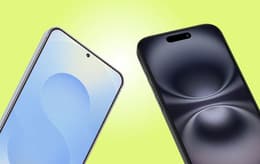
Galaxy Z Flip7 Vs iPhone 16 Plus
- 1-year minimum warranty
- Free delivery on all items
- Free 30-day returns
Differences at a glance
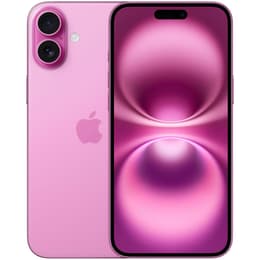
The Samsung Galaxy Z Flip7 (2025) and the Apple iPhone 16 Plus (2024) represent two distinct approaches to modern smartphone design, contrasting a foldable clamshell form factor with a traditional large-screen slate layout. While both devices serve users looking for expansive main viewing areas, they differ fundamentally in hardware execution, operating systems, and physical dimensions. The Galaxy Z Flip7 operates on Android, offering a pocketable folding design, whereas the iPhone 16 Plus runs iOS within a fixed, large-format glass and aluminum body. Choosing between them depends largely on whether everyday portability or a classic slab structure with extended single-screen workspace better matches daily habits.
Available Models
Colour
Storage
Scores
Durability
Both smartphones are built to remain supported and functional for years, though their structural designs introduce different long-term wear considerations.
- Release timeline and support: The iPhone 16 Plus arrived in late 2024, while the Galaxy Z Flip7 followed in mid-2025, with both receiving multi-year operating system updates and security patches typical of flagship hardware.
- Physical durability: The iPhone 16 Plus utilizes a rigid slab body with hardened glass protection, whereas the Galaxy Z Flip7 relies on a flexible inner screen and a folding hinge mechanism that requires standard care over years of opening and closing.
- Expected practical lifespan: Both units offer robust internal components capable of sustaining daily use across multiple years, though traditional slate designs generally experience less mechanical wear over time compared to foldable structures.
Year of Release
2025
2024
Compatible with latest Update
Yes
Yes
Foldable
Yes
No
Performance
Handling demanding applications and everyday multitasking is straightforward on both devices, though their underlying software architectures manage power and memory differently.
- System responsiveness: Both models load applications instantly, switch between multiple active programs without stuttering, and handle graphics-heavy mobile games smoothly thanks to current-generation hardware.
- Battery behavior: The iPhone 16 Plus incorporates a large physical battery that easily spans a full day of heavy media consumption, while the Galaxy Z Flip7 balances a compact folded footprint with an optimized power cell designed to last through typical daily routines.
- Multitasking capacity: Generous random access memory allocations on both handsets allow background tasks, web browsing, and streaming applications to run concurrently without requiring frequent reloads.
Screen quality
Display technology differs significantly between the two models, directly influencing how users consume media and interact with content outdoors.
- Display structure: The Galaxy Z Flip7 features a foldable inner screen alongside an expanded outer cover display for quick notifications, while the iPhone 16 Plus provides a single, uninterrupted large display panel.
- Visual clarity and panels: Both devices utilize advanced OLED panel technology, delivering deep black levels, high contrast ratios, and sharp text rendering for everyday reading and video playback.
- Outdoor visibility: High peak brightness capabilities on both screens ensure that menus, maps, and camera finders remain clearly legible under direct sunlight.
Resolution
1080x2520
1290 x 2796
Audiovisual
Imaging hardware on both smartphones provides versatile options for capturing everyday moments, recording video, and managing media playback.
- Lens configurations: Both models feature primary wide-angle sensors paired with ultra-wide lenses, accommodating landscape shots, group photos, and close-up subjects.
- Low-light and video performance: Advanced image processing helps capture clear details in dim environments, while steady video recording modes minimize shake during movement.
- Media and audio output: Integrated stereo speaker setups deliver clear sound output for hands-free calls, podcasts, and casual video viewing without requiring external speakers.
Front camera
10 megapixels
12 megapixels
Miscellaneous
Practical daily usability is shaped by connectivity standards, physical dimensions, and security authentication features.
- Connectivity and ports: Both devices support rapid fifth-generation cellular networks and modern wireless standards, utilizing standard reversible charging ports for power replenishment.
- Biometric security: The Galaxy Z Flip7 integrates fingerprint recognition into its side power key alongside facial scanning, while the iPhone 16 Plus relies exclusively on advanced facial recognition technology.
- Handling and ergonomics: The iPhone 16 Plus offers a wide, traditional slab footprint that suits two-handed media consumption, whereas the Galaxy Z Flip7 folds in half to take up minimal pocket space when traveling.
Weight
188 g
199 g
Screen size (in)
6.9
6.7
Mobile network
5G
5G
SIM card
Physical SIM + eSIM
Physical SIM + eSIM
Carrier compatibility
Unlocked
Unlocked
Connector
USB-C
USB-C (USB 2)
What the community thinks
User discussions across community forums highlight distinct preferences for each device based on everyday habits. Owners of the Galaxy Z Flip7 frequently praise its compact pocketability when folded and the convenience of checking notifications on the outer cover screen without opening the phone. Conversely, iPhone 16 Plus users regularly highlight its dependable battery longevity, large uninterrupted viewing area, and the seamless integration provided by the iOS ecosystem.
Users who prioritize a compact footprint that easily slips into smaller pockets or bags will find the Galaxy Z Flip7 well-suited to their routine. Meanwhile, users who prefer a traditional large-screen slate layout with extended single-panel workspace may lean toward the iPhone 16 Plus. For consumers exploring sustainable technology choices, opting for a quality-assured refurbished option through platforms like Back Market offers an eco-friendly alternative that reduces electronic waste while delivering fully tested hardware. Ultimately, the choice rests entirely on whether a flexible folding design or a classic rigid form factor better complements daily workflows.