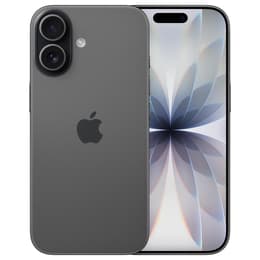


iPhone 17 Vs OnePlus 10 Pro

iPhone 17
iPhone 17
Starting at

Refurbished price:£688.00

Versus £799.00 new

See options
OnePlus 10 Pro
OnePlus 10 Pro
Starting at

Refurbished price:£391.00

Versus £769.39 new

See options

Ratings

The iPhone 17, a flagship smartphone from Apple, represents the latest advancements in mobile technology, typically released in late 2025 or 2026. In contrast, the OnePlus 10 Pro, launched in early 2022, was a prominent Android device known for its performance and display. These two devices operate on distinct ecosystems, iOS and Android respectively, offering different user experiences. Key differentiators include their release timelines, software support longevity, and the underlying hardware philosophies that shape their capabilities.

Scores

Durability

When considering the practical lifespan of these devices, their release timelines and software support policies are significant factors.

  • Release Timeline: The OnePlus 10 Pro was released in early 2022, making it a device that has been on the market for several years. The iPhone 17, being a much newer model, benefits from a more recent manufacturing date and incorporates contemporary component technologies.
  • Software Longevity: Apple is known for providing extensive software support, with iPhones typically receiving major iOS updates for 5-7 years and security patches even longer. The iPhone 17 is expected to receive updates until approximately 2037. The OnePlus 10 Pro, launched with Android 12, was initially promised three major Android OS updates and four years of security updates. While it received OxygenOS 16 (Android 16) as its final major OS upgrade, security updates are expected to continue until 2027. This means the iPhone 17 offers a considerably longer period of guaranteed software updates.
  • Repairability: Both devices are designed with modern smartphone construction, which can present challenges for user-led repairs. However, the availability of parts and professional repair services tends to be robust for both brands, though Apple's ecosystem often has a wider network of authorized service providers.

Year of Release

2025

2022

Compatible with latest Update

Yes

Yes

OS

iOS

Android

Foldable

No

No

Performance

The performance of a smartphone is crucial for daily tasks, from app usage to demanding games and multitasking.

  • Processor Capabilities: The iPhone 17 is equipped with Apple's latest-generation A-series chip, which is designed to handle intensive applications and complex computational tasks with efficiency. This processor is expected to offer significant performance improvements over its predecessors, ensuring smooth operation for years to come. The OnePlus 10 Pro features the Qualcomm Snapdragon 8 Gen 1 Mobile Platform. While a capable processor at its release, the iPhone 17's newer chip is likely to provide a notable advantage in raw processing power and graphical performance due to generational advancements.
  • System Responsiveness: Users of the iPhone 17 can expect highly fluid navigation and rapid app loading times, characteristic of Apple's optimized hardware and software integration. The OnePlus 10 Pro also offers a responsive experience, with its processor and OxygenOS providing smooth interactions, though some users noted that its performance could be impacted by thermal management in sustained heavy use.
  • Multitasking and Storage: Both devices offer various storage configurations, allowing users to choose based on their needs. The iPhone 17 is expected to feature ample RAM, contributing to seamless multitasking. The OnePlus 10 Pro comes with 8GB or 12GB of RAM, which supports efficient handling of multiple applications simultaneously.

Memory (GB)

8 GB

8 GB

Screen quality

The display is a primary interface for smartphone interaction, and both devices offer high-quality viewing experiences.

  • Display Technology: The iPhone 17 features an upgraded Super Retina XDR OLED display, known for its deep blacks, vibrant colors, and excellent contrast. The OnePlus 10 Pro utilizes a 6.7-inch QHD+ Fluid AMOLED display with LTPO 2.0 technology. Both technologies provide rich visual fidelity.
  • Resolution and Clarity: The OnePlus 10 Pro offers a QHD+ resolution of 3216 x 1440 pixels, resulting in a sharp and detailed image. The iPhone 17's display is also expected to deliver high resolution and pixel density, ensuring crisp text and clear images.
  • Brightness and Refresh Rate: The OnePlus 10 Pro's display can reach a peak brightness of 1300 nits, providing good visibility in various lighting conditions. Its LTPO 2.0 technology allows for a dynamic refresh rate that scales from 1Hz to 120Hz, contributing to smooth scrolling and power efficiency. The iPhone 17 is expected to incorporate ProMotion technology, offering a 120Hz adaptive refresh rate and an Always-On Display feature, enhancing visual fluidity and user convenience.

Resolution

2622x1206

1440 x 3216

Screen type

Super Retina XDR

LTPO2 Fluid AMOLED

Audiovisual

Camera capabilities are a significant consideration for many users, and both smartphones aim to deliver strong photographic and videographic results.

  • Camera System: The iPhone 17 is expected to feature a dual-lens rear camera system, with both lenses potentially being 48-megapixel, alongside a significantly upgraded 24-megapixel front-facing camera. The OnePlus 10 Pro boasts a triple rear camera setup co-developed with Hasselblad, including a 48MP main sensor, a 50MP ultrawide lens with a 150˚ field of view, and an 8MP telephoto lens with 3.3x optical zoom.
  • Photography Performance: The iPhone 17 will likely leverage advanced computational photography for improved detail, dynamic range, and low-light performance. The OnePlus 10 Pro's main camera generally produces bright, colorful photos with good detail, and its low-light performance is considered good. However, some user reviews noted inconsistencies in color reproduction and detail across its different lenses, particularly with the ultrawide camera lacking autofocus.
  • Video Recording: Both devices offer high-quality video recording. The OnePlus 10 Pro supports 8K video at 24fps and 4K video at up to 120fps. The iPhone 17 is anticipated to offer advanced video features, potentially including dual video recording from front and back cameras simultaneously, and enhanced stabilization.

Main camera

48 megapixels

48 megapixels

Front camera

18 megapixels

32 megapixels

Miscellaneous

Beyond core features, several practical elements contribute to the overall user experience and device utility.

  • Connectivity: The OnePlus 10 Pro supports 5G, Wi-Fi 6, and Bluetooth 5.2. The iPhone 17 is expected to feature an Apple-designed Wi-Fi 7 chip, offering faster and more efficient wireless connectivity. Both devices provide modern cellular capabilities for reliable network access.
  • Ports and Sensors: The OnePlus 10 Pro includes a USB-C 3.1 port and an in-display fingerprint sensor. The iPhone 17 is also expected to feature a USB-C port and will continue to rely on Face ID for biometric authentication, potentially alongside a customizable Action button.
  • Build Materials and Durability: The OnePlus 10 Pro features a glass front (Gorilla Glass Victus) and back (Gorilla Glass 5) with an aluminum frame, and an IP68 rating for dust and water resistance in some regions. The iPhone 17 is expected to maintain a robust build, potentially with an aluminum frame and a more scratch-resistant display.
  • Dimensions and Handling: The OnePlus 10 Pro weighs approximately 200.5g and measures 163 x 73.9 x 8.55 mm. The iPhone 17 is expected to have dimensions similar to recent iPhone models, with potential variations in thickness for different variants.

Weight

177 g

201 g

Screen size (in)

6.3

6.7

Mobile network

5G

5G

SIM card

Physical SIM + eSIM

Physical SIM

Carrier compatibility

Unlocked

Unlocked

Connector

USB-C

USB-C

Choosing between the iPhone 17 and the OnePlus 10 Pro involves weighing the benefits of a newer, continuously evolving ecosystem against a device that offered strong performance and features at its release. The iPhone 17, as a current-generation device, benefits from the latest technological advancements, particularly in processor performance, camera capabilities, and extended software support. Users prioritizing long-term software updates, cutting-edge performance for demanding applications, and a highly integrated ecosystem will find the iPhone 17 well-suited to their needs.

The OnePlus 10 Pro, while an older model, was praised by users for its vibrant display, fast charging speeds, and generally reliable battery life for a full day of use. Its camera system, co-developed with Hasselblad, delivered good results, though some users noted inconsistencies with the ultrawide lens. Users who value a high-refresh-rate AMOLED display, rapid wired charging, and a capable Android experience may still find the OnePlus 10 Pro to be a practical choice, especially if their usage patterns align with its strengths.

Ultimately, the decision hinges on individual priorities. Those seeking the absolute latest in mobile technology, the longest software support, and a premium, integrated experience will likely lean towards the iPhone 17. For users who appreciate a strong display, fast charging, and a solid Android platform, and are comfortable with a device that has completed its major OS update cycle, the OnePlus 10 Pro remains a functional option. Both devices, when considering refurbished options, offer an eco-friendly alternative to purchasing new, providing quality-assured technology for various user needs.


See all articles

Our recent comparisons