iPhone 16 Pro Vs Sony Xperia 5 IV

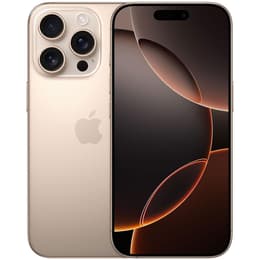
iPhone 16 Pro
iPhone 16 Pro
Starting at

Refurbished price:£564.00

Versus £999.00 new

See options
Sony Xperia 5 IV
Sony Xperia 5 IV
Starting at

Refurbished price:£299.00

Versus £1,199.00 new

See options

Ratings

The iPhone 16 Pro, released in September 2024, and the Sony Xperia 5 IV, launched in September 2022, represent distinct approaches to high-end smartphone design and functionality. While both devices offer premium experiences, they cater to different user priorities, primarily differing in their operating system ecosystems, camera philosophies, and overall form factors. The iPhone operates on Apple's iOS, known for its long-term software support, whereas the Xperia runs on Android, offering more customization.

Scores

Durability

When considering the long-term usability of these devices, their respective release timelines and software support policies are key factors.

  • Software Longevity: The iPhone 16 Pro, being a more recent device, benefits from Apple's extensive software support, typically receiving major iOS updates for 5 to 7 years, with security patches extending even further. This means users can expect the iPhone 16 Pro to remain current with the latest features and security enhancements well into the future, potentially until 2036. In contrast, the Sony Xperia 5 IV, released in 2022, shipped with Android 12 and has received updates up to Android 14, but has since reached its end-of-life for official Android operating system updates, though it may still receive security patches.
  • Physical Durability: The iPhone 16 Pro features a titanium frame and Ceramic Shield front cover, contributing to its robust build and enhanced resistance to drops and scratches. It also carries an IP68 rating for water and dust resistance. The Xperia 5 IV also offers notable durability with a glass front and back protected by Gorilla Glass Victus, and boasts IPX5/IPX8 water resistance and IP6X dust proofing.
  • Practical Lifespan: Users prioritizing the latest software features and a longer period of official operating system updates will find the iPhone 16 Pro more aligned with their needs. For those who are comfortable with fewer major OS updates but still value a physically durable device, the Xperia 5 IV remains a capable option, especially as a quality-assured refurbished option.

Year of Release

2024

2022

Compatible with latest Update

Yes

No

Foldable

No

No

Performance

The performance capabilities of these two smartphones reflect their generational differences and underlying architectures.

  • Processing Power: The iPhone 16 Pro is equipped with a current-generation processor, which delivers substantial improvements in speed and efficiency. This translates to exceptionally smooth operation for demanding applications, complex multitasking, and graphically intensive games. The Sony Xperia 5 IV utilizes a processor from 2022, which was a high-end chip at its release, capable of handling everyday tasks and most applications with ease. However, it may experience more noticeable warmth during prolonged heavy use compared to the iPhone.
  • Multitasking and Storage: Both devices come with 8 GB of RAM, allowing for efficient multitasking and app switching. The iPhone 16 Pro offers internal storage options ranging from 128 GB up to 1 TB, providing ample space for various user needs. The Xperia 5 IV offers 128 GB or 256 GB of internal storage, with the added flexibility of expandable storage via a microSD card slot, supporting up to 1 TB.
  • System Responsiveness: The iPhone 16 Pro provides a highly responsive user experience, with applications launching quickly and transitions feeling fluid due to its optimized hardware and software integration. The Xperia 5 IV also offers a fluid experience for most users, though the newer iPhone's processing advancements provide a noticeable edge in raw speed and efficiency for the most intensive tasks.

Memory (GB)

8 GB

8 GB

Screen quality

Both devices feature high-quality displays, but they differ in their specifications and viewing experiences.

  • Display Technology and Clarity: Both the iPhone 16 Pro and the Sony Xperia 5 IV feature vibrant OLED displays, known for their deep blacks and excellent contrast. The iPhone 16 Pro boasts a 6.3-inch Super Retina XDR OLED display with a resolution of 2622 x 1206 pixels, resulting in a sharp 460 pixels per inch. The Xperia 5 IV has a 6.1-inch HDR OLED display with a resolution of 2520 x 1080 pixels and a pixel density of 449 ppi, offering a clear viewing experience.
  • Brightness and Refresh Rate: The iPhone 16 Pro's display offers a typical maximum brightness of 1000 nits, a peak HDR brightness of 1600 nits, and can reach up to 2000 nits peak brightness outdoors, ensuring excellent visibility in various lighting conditions. It also features ProMotion technology, providing an adaptive refresh rate that can vary from 10Hz to 120Hz for smooth scrolling and responsive interactions. The Xperia 5 IV also features a 120Hz refresh rate for smooth visuals and is noted to be 50% brighter than its predecessor, offering good outdoor visibility.
  • Aspect Ratio and Viewing Experience: The iPhone 16 Pro features a more traditional smartphone aspect ratio, while the Xperia 5 IV stands out with its cinematic 21:9 aspect ratio, which is particularly well-suited for watching movies and certain types of content without black bars. The iPhone 16 Pro also features slimmer bezels, maximizing screen real estate.

Resolution

1206 x 2622

1080 x 2520

Screen type

LTPO Super Retina XDR OLED

OLED

Audiovisual

The camera systems on both devices are designed to capture high-quality images and videos, though they approach mobile photography with different strengths.

  • Rear Camera Systems: The iPhone 16 Pro features a versatile triple-camera system, including a 48-megapixel main camera, a 48-megapixel ultra-wide camera, and a 12-megapixel telephoto lens with 5x optical zoom. This setup is designed for detailed photos across various focal lengths and improved low-light performance. The Sony Xperia 5 IV also offers a triple 12-megapixel rear camera array, comprising a wide, ultra-wide, and a telephoto lens with 2.5x optical zoom. All three rear cameras on the Xperia are capable of 4K HDR video recording at 120 frames per second.
  • Photography and Video Features: The iPhone 16 Pro supports 24-megapixel and 48-megapixel high-resolution images and can record 4K video at 120 frames per second, along with spatial videos and photos. It also includes a new 'Capture Button' for enhanced camera control. The Xperia 5 IV is praised for its natural-looking photos and professional camera app, appealing to users who prefer more manual control over their shots. It also features a physical shutter button, providing a tactile camera experience.
  • Front Camera and Audio: The iPhone 16 Pro includes a 16-megapixel front camera. The Xperia 5 IV features a 12-megapixel front camera. For audio, the Xperia 5 IV is equipped with full-stage stereo speakers and supports Dolby Atmos, offering an immersive media consumption experience. It also retains a 3.5mm audio jack, a feature not found on the iPhone 16 Pro.

Main camera

48 megapixels

12 megapixels

Front camera

12 megapixels

12 megapixels

Miscellaneous

Beyond core features, several practical elements differentiate these two smartphones in daily use.

  • Connectivity and Ports: The iPhone 16 Pro supports Wi-Fi 7, offering faster wireless speeds, alongside 5G cellular connectivity. It features a USB-C port for charging and data transfer. The Sony Xperia 5 IV supports Wi-Fi 6e and 5G, and also uses a USB-C port (USB 3.2). A notable distinction is the Xperia 5 IV's inclusion of a 3.5mm audio jack, which allows for direct connection of wired headphones.
  • Biometric Security and Navigation: The iPhone 16 Pro relies on Face ID for secure facial recognition. The Xperia 5 IV incorporates a side-mounted fingerprint scanner for biometric authentication. Both devices offer robust navigation and location services.
  • Physical Design and Handling: The iPhone 16 Pro has dimensions of 149.6 x 71.5 x 8.25 mm and weighs 199 grams, featuring a titanium frame. The Xperia 5 IV is more compact and lighter, measuring 156 x 67 x 8.2 mm and weighing 172 grams, with a glass front and back. The Xperia's narrower form factor and lighter weight can make it easier for one-handed use for some individuals.

Weight

199 g

172 g

Screen size (in)

6.3

6,1

Mobile network

5G

5G

SIM card

Physical SIM + eSIM

Physical SIM + eSIM

Carrier compatibility

Unlocked

Unlocked

Connector

USB-C (USB 3)

USB-C + Jack 3.5mm

Choosing between the iPhone 16 Pro and the Sony Xperia 5 IV involves weighing different priorities, as each device excels in distinct areas. User feedback for the iPhone 16 Pro often highlights its powerful performance, advanced camera capabilities, and the seamless integration within the Apple ecosystem. Users appreciate the extended software support and the vibrant, bright display. Some common discussions revolve around its iterative design changes and the continued absence of a headphone jack.

The Sony Xperia 5 IV is frequently praised by users for its compact size, excellent battery life, and the inclusion of a 3.5mm headphone jack and expandable storage, features that are increasingly rare in modern flagship phones. Its unique 21:9 display aspect ratio is also a favorite among media enthusiasts. Criticisms often point to its shorter software update commitment compared to competitors and the processor's tendency to warm up under heavy load.

Users prioritizing long-term software support, cutting-edge processing power, and a highly advanced camera system with extensive video capabilities may find the iPhone 16 Pro well-suited to their needs. Its larger, brighter display and robust build also appeal to those seeking a premium, durable device. Conversely, users who value a more compact form factor, exceptional battery endurance, the flexibility of expandable storage, and the convenience of a traditional headphone jack will likely lean towards the Sony Xperia 5 IV. Its camera system, while different in approach, still offers a capable and enjoyable photography experience, especially for those who appreciate manual controls.

Both devices offer compelling features, and for those looking for a more sustainable choice, considering a quality-assured refurbished option for either model can provide an eco-friendly alternative without compromising on performance or reliability.

See all articles

Our recent comparisons