Galaxy S10 Vs iPhone 14 Pro

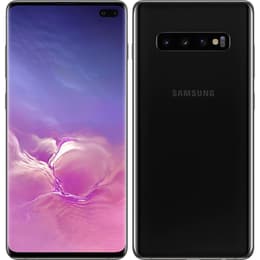
Galaxy S10
Galaxy S10
Starting at

Refurbished price:£108.00

Versus £639.00 new

See options
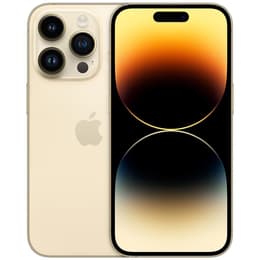
iPhone 14 Pro
iPhone 14 Pro
Starting at

Refurbished price:£304.00

Versus £1,099.00 new

See options

Ratings

The Samsung Galaxy S10, released in early 2019, and the iPhone 14 Pro, launched in late 2022, represent two distinct eras of smartphone development. While the Galaxy S10 was a pioneer of the hole-punch display and versatile triple-camera setups on the Android platform, the iPhone 14 Pro introduced the Dynamic Island and significant advancements in mobile photography for the iOS ecosystem. Choosing between these two devices involves weighing the benefits of a classic, lightweight design against the modern features and long-term software support of a much newer model. Both smartphones offer high-quality builds, but they cater to different user needs regarding operating systems and hardware longevity.

Scores

Durability

The age difference between these two smartphones significantly impacts their expected lifespan and ongoing software compatibility for modern applications.

  • Software Longevity: The iPhone 14 Pro is expected to receive the latest operating system updates for several more years, likely until the late 2020s, ensuring access to new features and security patches. In contrast, the Galaxy S10 has reached the end of its major software update cycle, meaning it remains on an older version of the Android operating system.
  • Build and Repair: The iPhone 14 Pro features a stainless steel frame and Ceramic Shield glass, which offers high resistance to drops and scratches. The Galaxy S10 uses an aluminium frame and Gorilla Glass, which is durable but lacks the reinforced front found on newer models.
  • Maintenance: Finding replacement parts for the Galaxy S10 is relatively straightforward due to its popularity, though the iPhone 14 Pro benefits from a more modern internal layout that simplifies certain repairs at professional service centres.

Year of Release

2019

2022

Compatible with latest Update

No

Yes

OS

Android

iOS

Foldable

No

No

Performance

Despite the gap in release years, both devices handle standard daily tasks well, though their capabilities diverge when it comes to demanding professional applications.

  • System Responsiveness: The iPhone 14 Pro offers a very fluid experience with almost instantaneous app launches and smooth multitasking, even when running professional-grade editing software. The Galaxy S10 remains capable for web browsing and social media, but users may notice slight delays when switching between multiple heavy apps.
  • Battery Efficiency: While the Galaxy S10 features a battery that supports a full day of moderate use, the iPhone 14 Pro utilizes more efficient internal components that allow it to last longer under heavy workloads, such as continuous video streaming or GPS navigation.
  • Storage and Memory: Both devices offer various storage capacities to house photos and files. The iPhone 14 Pro manages background tasks efficiently to keep apps ready for use, while the Galaxy S10 relies on its generous memory allocation to maintain steady performance for everyday utilities.

Memory (GB)

8 GB

6 GB

Screen quality

Display technology has evolved significantly between the release of these two models, particularly regarding peak brightness and motion smoothness during use.

  • Visual Fluidity: The iPhone 14 Pro features a high refresh rate display that makes scrolling through menus and animations appear exceptionally smooth. The Galaxy S10 uses a standard refresh rate, which is clear and functional but lacks the high-speed responsiveness found on the newer device.
  • Outdoor Visibility: Users will find the iPhone 14 Pro much easier to read in direct sunlight thanks to its high peak brightness levels. The Galaxy S10 offers a vibrant screen with deep blacks, but it may require shading or maximum brightness settings to be clearly visible on very bright days.
  • Design Integration: The Galaxy S10 features a small circular cutout for the front camera and curved edges that make the device feel slim. The iPhone 14 Pro utilizes the Dynamic Island, a functional area at the top of the screen that changes shape to show notifications and background activity.

Resolution

1440 x 3040

1179 x 2556

Screen type

Dynamic AMOLED

LTPO Super Retina XDR OLED

Audiovisual

Photography is one of the areas where the three-year gap is most noticeable, especially when capturing images in challenging lighting conditions.

  • Image Detail: The iPhone 14 Pro captures images with high resolution, allowing for significant cropping without losing clarity. The Galaxy S10 produces balanced photos with natural colours that are well-suited for social media, though they contain less fine detail than the newer model.
  • Video Capabilities: For those who record frequently, the iPhone 14 Pro provides advanced stabilization and focus-tracking features that result in professional-looking footage. The Galaxy S10 offers reliable 4K recording that remains competitive for casual video capture and video calls.
  • Low-Light Performance: The iPhone 14 Pro excels in dark environments, using larger sensors to pull in more light and reduce graininess. The Galaxy S10 performs well in daylight but struggles more with noise and blur when the sun goes down.

Main camera

12 megapixels

48 megapixels

Front camera

10 megapixels

12 megapixels

Miscellaneous

Practical features like connectivity standards and physical ports define the daily user experience and hardware compatibility for both of these smartphones.

  • Connectivity Standards: The iPhone 14 Pro supports 5G networks, providing faster data speeds in areas with modern infrastructure. The Galaxy S10 is limited to 4G LTE, which is still widely available and sufficient for most browsing and streaming needs.
  • Physical Ports: A standout feature of the Galaxy S10 is the inclusion of a traditional headphone jack, allowing for the use of wired audio without adapters. The iPhone 14 Pro uses a Lightning port for charging and audio, requiring wireless headphones or a dongle for wired connections.
  • Biometric Security: The Galaxy S10 uses an ultrasonic fingerprint sensor embedded under the display for quick unlocking. The iPhone 14 Pro relies on Face ID, which scans the user's facial features to provide secure access even in total darkness.

Weight

175 g

206 g

Screen size (in)

6.1

6.1

Mobile network

4G

5G

SIM card

Physical SIM

Physical SIM + eSIM

Carrier compatibility

Unlocked

Unlocked

Connector

USB-C + Jack 3.5mm

Lightning

The Galaxy S10 and iPhone 14 Pro cater to different priorities in the smartphone market. Based on user feedback from various tech communities, the Galaxy S10 is often praised for its ergonomic, lightweight design and the rare inclusion of a headphone jack and expandable storage via microSD. However, many users now note that its battery life and software support are showing their age. On the other hand, the iPhone 14 Pro receives high marks for its exceptional display brightness, smooth performance, and consistent camera quality, though some find it noticeably heavier in the hand compared to older devices.

Users who prioritize a compact form factor, wired audio, and a familiar Android interface may still find the Galaxy S10 a practical choice for basic needs. Conversely, those who require the latest security updates, high-end video recording, and a screen that performs well in all lighting conditions will find the iPhone 14 Pro better suited to their lifestyle. For those looking to balance modern features with environmental responsibility, choosing a quality-assured refurbished option is a sustainable way to access these technologies. Ultimately, the decision rests on whether you value the classic utility of the S10 or the advanced, long-term reliability of the iPhone 14 Pro. As an eco-friendly alternative, both models are available through refurbishment processes that extend their useful life.

See all articles

Our recent comparisons