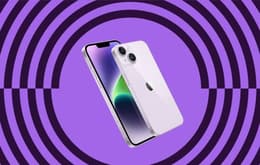
Compare models
iPhone 14 Vs iPhone Air
- 1-year minimum warranty
- Free delivery on all items
- Free 30-day returns
Differences at a glance
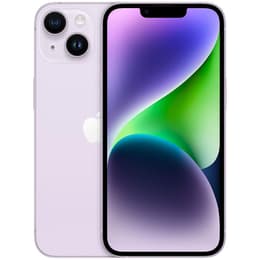
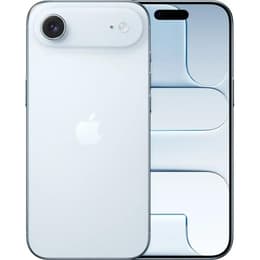
The iPhone 14 (2022) and the iPhone Air (2025) represent different eras and design philosophies within Apple's smartphone lineup. While the iPhone 14 establishes a reliable standard with a familiar form factor, the iPhone Air introduces a dramatically thinner profile and a larger screen. Both devices run on iOS, though their release years result in distinct hardware capabilities and processing generations that shape day-to-day use.
Available Models
Colour
Storage
Scores
Durability
When evaluating hardware longevity and support timelines, both models offer solid long-term viability while reflecting their respective release years.
- Software Support: The iPhone Air benefits from a newer release date, extending its potential window for receiving major operating system updates compared to the older iPhone 14.
- Repairability and Build: Both models utilize robust outer materials like Ceramic Shield glass, though the iPhone Air adopts a titanium frame structure while maintaining standard water and dust resistance ratings.
- Lifespan Expectations: Users can expect dependable multi-year software longevity from both devices, making quality-assured refurbished options an eco-friendly alternative for extending device lifecycles.
Year of Release
2022
2025
Compatible with latest Update
Yes
Yes
OS
iOS
iOS
Foldable
No
No
Performance
Processing capability and daily efficiency differ significantly based on the internal hardware generations packed into each device framework.
- System Responsiveness: The iPhone Air handles demanding multitasking, complex applications, and high-end gaming with noticeable fluidity thanks to its modern, high-performance processor architecture.
- Memory and Storage: Higher baseline memory configurations on the iPhone Air facilitate smoother background app management, whereas the iPhone 14 relies on more conventional baseline storage options.
- Battery Behavior: The iPhone 14 manages daily mixed usage reliably, while the iPhone Air balances its ultra-slim profile with energy-efficient processing to maintain steady battery longevity through standard daily routines.
Screen quality
Display characteristics vary notably in size, fluidity, and visual technology between the two models.
- Display Technology: The iPhone Air features an advanced organic light-emitting diode panel supporting high refresh rates for smooth scrolling, while the iPhone 14 utilizes a standard refresh rate screen of similar underlying display clarity.
- Brightness and Clarity: Both devices offer clear outdoor visibility and sharp resolution, but the iPhone Air incorporates a larger viewing area suited for media consumption and reading.
- Visual Fluidity: The inclusion of adaptive refresh rate technology on the iPhone Air allows motion graphics and system navigation to appear noticeably smoother during daily interaction.
Resolution
1170 x 2532
2736x1260
Screen type
Super Retina XDR OLED
Super Retina XDR
Audiovisual
Photographic capabilities and media output diverge based on the specific lens configurations installed on each smartphone.
- Rear Camera System: The iPhone 14 features a dual-lens setup providing flexible framing options, whereas the iPhone Air consolidates its rear optics into a single high-resolution lens system.
- Front-Facing Optics: The iPhone Air integrates an upgraded wide-angle front sensor designed to improve video calls and self-portraits, compared to the standard front camera hardware on the iPhone 14.
- Audio and Video: Both models deliver reliable stereo sound output for media playback alongside stable high-resolution video recording capabilities for everyday documentation.
Main camera
12 megapixels
48 megapixels
Front camera
12 megapixels
18 megapixels
Miscellaneous
Practical physical characteristics and connectivity standards define how each device handles in everyday environments.
- Physical Dimensions: The iPhone Air stands out for its exceptionally thin profile and lighter weight, whereas the iPhone 14 offers a more compact footprint that rests comfortably in smaller hands.
- Connectivity and Ports: Both models utilize standard universal charging connectors and modern wireless networking protocols, though the iPhone Air relies exclusively on digital SIM technology.
- Security Sensors: Both smartphones incorporate secure facial recognition technology embedded within their display areas for authentication and authorization tasks.
Weight
172 g
165 g
Screen size (in)
6.1
6.5
Mobile network
5G
5G
SIM card
Physical SIM + eSIM
eSIM
Carrier compatibility
Unlocked
Unlocked
Connector
Lightning
USB-C
What the community thinks
Online community discussions and user feedback highlight distinct preferences for each device based on practical habits. Users frequently praise the iPhone 14 for its comfortable, compact handling and reliable everyday functionality. Conversely, owners of the iPhone Air often highlight its remarkably thin profile, expansive display, and fluid visual performance as standout daily benefits, though some note the single rear camera requires adjusting photographic habits.
Users prioritizing lightweight handling, a larger viewing area, and high system fluidity may prefer the iPhone Air, while those favoring a smaller physical footprint and multi-lens rear photography often lean toward the iPhone 14. Exploring a quality-assured refurbished option provides a sustainable choice for acquiring either model while reducing electronic waste. Ultimately, the right choice depends on whether physical slimness and screen space or compact ergonomics matter most to your daily routine.