
iPhones
Compare models
Differences at a glance
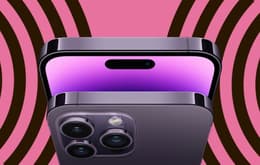
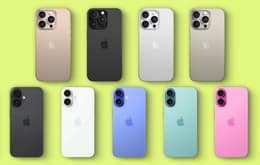
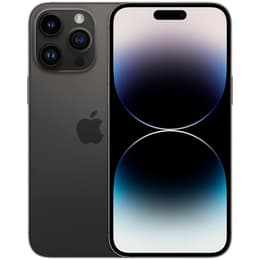
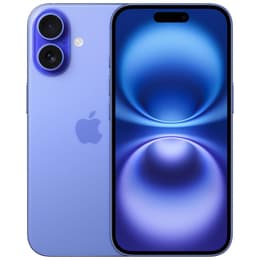
The iPhone 14 Pro Max (2022) and the iPhone 16 (2024) represent two distinct generations of Apple’s smartphone lineup, each catering to different user priorities. While the iPhone 14 Pro Max was launched as the pinnacle of its series with a focus on a large display and advanced camera hardware, the iPhone 16 arrives as a modern standard model that integrates the latest internal efficiencies and connectivity standards. Both devices run on the iOS platform, providing a consistent and user-friendly software experience, though the iPhone 16 is designed to handle the most recent software features that require updated hardware processing.
Colour
Storage
The two-year release gap between these models plays a significant role in their expected software support and physical resilience.
Year of Release
Compatible with latest Update
Foldable
While both smartphones offer smooth performance for everyday tasks, the way they handle high-demand applications differs based on their internal hardware.
The display is one of the most significant points of comparison, as it directly affects how users interact with their content.
Resolution
Screen type
The camera systems on these two devices offer different strengths, particularly regarding zoom and close-up photography.
Main camera
Front camera
Practical features like port types and physical buttons can significantly impact the daily user experience.
Weight
Screen size (in)
Mobile network
SIM card
Carrier compatibility
Connector
Community discussions and user forums often highlight the trade-offs between these two models. Users of the iPhone 14 Pro Max frequently express appreciation for the large, smooth-scrolling display and the long-lasting battery life, though some find the device's weight to be a bit cumbersome for long-term use. On the other hand, iPhone 16 users often praise the device's lightweight design and the convenience of the USB-C port, though some note the absence of a dedicated zoom lens as a minor drawback for photography enthusiasts.
Users who prioritise a large screen for watching videos and want the versatility of a dedicated zoom lens will likely find the iPhone 14 Pro Max to be the better fit for their lifestyle. Conversely, users who value a more portable, lightweight phone with the latest connectivity standards and support for future software features may prefer the iPhone 16. Both devices are excellent examples of modern smartphone technology and offer a high-quality experience. Choosing an eco-friendly alternative through a quality-assured refurbished option is a great way to access these features while making a more sustainable choice for the planet. Ultimately, the decision rests on whether you prefer the Pro features of a slightly older flagship or the modern refinements of the latest standard model.