
iPhone 13 Pro Vs Sony Xperia 1 IV

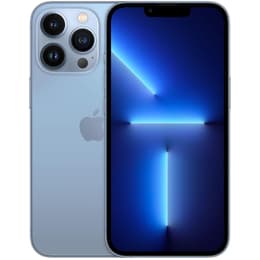
iPhone 13 Pro
iPhone 13 Pro
Starting at

Refurbished price:£232.00

Versus £949.00 new

See options
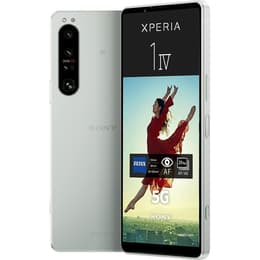
Sony Xperia 1 IV
Sony Xperia 1 IV
Starting at

Refurbished price:£346.00

Versus £1,500.00 new

See options

Ratings

The iPhone 13 Pro, released in September 2021, and the Sony Xperia 1 IV, launched globally in May 2022, represent distinct approaches to high-end smartphone design and functionality. While both devices offer advanced camera systems and premium displays, they cater to different user preferences through their operating systems and unique feature sets. The iPhone 13 Pro operates on Apple's iOS, known for its integrated ecosystem, whereas the Sony Xperia 1 IV runs on Android, offering more customization and a focus on professional-grade multimedia tools.

Scores

Durability

When considering the long-term usability of these devices, several factors contribute to their expected lifespan.

  • Release Timeline: The iPhone 13 Pro was released in September 2021, making it an older model compared to the Sony Xperia 1 IV, which launched in May 2022. This difference in release date impacts the duration of future software support.
  • Software Longevity: The iPhone 13 Pro originally shipped with iOS 15 and is compatible with iOS 18, released in late 2024, and the current public release of iOS 26. Apple typically provides software updates for its devices for approximately 5-6 years from their release. The Sony Xperia 1 IV launched with Android 12 and is upgradable to Android 14. Android devices generally receive fewer major OS updates than iPhones, which could mean a shorter period of official feature updates, though security updates may continue for longer.
  • Repairability: The iPhone 13 Pro received a repairability score of 5 out of 10 from iFixit, noting that display and battery replacements are prioritized in its design, but software limitations can complicate third-party repairs, particularly for features like Face ID. The Sony Xperia 1 IV received a repairability score of 5.5 out of 10 from PBKreviews. Both devices feature durable materials like Gorilla Glass and IP68 water and dust resistance, contributing to their physical resilience.

Year of Release

2021

2022

Compatible with latest Update

Yes

No

OS

iOS

Android

Foldable

No

No

Performance

The performance of both smartphones is designed to handle demanding applications and multitasking, though they achieve this with different underlying architectures.

  • System Responsiveness: The iPhone 13 Pro is equipped with a powerful processor that ensures smooth navigation, rapid app launches, and efficient multitasking. Users generally report a fluid experience even with intensive applications. The Sony Xperia 1 IV also offers a responsive experience, capable of handling demanding apps and multitasking smoothly.
  • Battery Behavior: The iPhone 13 Pro generally provides robust battery performance, with users often reporting it lasting through a full day of heavy use. The Sony Xperia 1 IV, despite having a larger battery capacity, has shown mixed real-world battery life results, with some users experiencing shorter durations, especially when utilizing its high-resolution, high-refresh-rate display and camera features extensively.
  • Storage and Multitasking: The iPhone 13 Pro offers various storage options up to 1TB, paired with ample memory for efficient app management. The Sony Xperia 1 IV comes with 12GB of RAM and storage options up to 512GB, which is expandable via a microSD card, providing flexibility for users who require extensive storage for media and applications.

Memory (GB)

6 GB

12 GB

Screen quality

Both devices feature high-quality displays, but they differ in their specifications and visual presentation.

  • Display Technology and Resolution: The iPhone 13 Pro features a 6.1-inch Super Retina XDR OLED display with a resolution of 2532 x 1170 pixels, offering deep blacks and vibrant colors. The Sony Xperia 1 IV boasts a larger 6.5-inch 4K HDR OLED display with a resolution of 3840 x 1644 pixels, providing exceptional sharpness and detail, particularly for media consumption.
  • Refresh Rate and Smoothness: The iPhone 13 Pro incorporates ProMotion technology, allowing for an adaptive refresh rate that dynamically adjusts between 10Hz and 120Hz, resulting in smooth scrolling and responsive interactions while conserving battery life. The Sony Xperia 1 IV also features a 120Hz refresh rate, enhancing the fluidity of animations and interactions, though it may not be as dynamically adaptive as the iPhone's ProMotion.
  • Brightness and Viewing Experience: The iPhone 13 Pro offers a typical maximum brightness of 1000 nits and a peak HDR brightness of 1200 nits, ensuring good visibility in various lighting conditions. The Xperia 1 IV's display is noted for its cinematic 21:9 aspect ratio and HDR BT.2020 support, making it well-suited for immersive video viewing and professional photo editing.

Resolution

1170 x 2532

1644 x 3840

Screen type

Super Retina XDR OLED

OLED

Audiovisual

Both smartphones offer advanced camera systems, but they are tailored to different photographic philosophies and user experiences.

  • Camera System Capabilities: The iPhone 13 Pro features a triple 12-megapixel camera system, including Wide, Ultra Wide, and Telephoto lenses, offering 3x optical zoom. The Sony Xperia 1 IV also has a triple 12-megapixel camera setup, but it stands out with a unique variable optical telephoto lens that can continuously zoom between 85mm and 125mm, providing true optical zoom capabilities across that range.
  • Photography Performance: The iPhone 13 Pro excels in low-light performance, macro photography, and offers features like Cinematic mode for video with shallow depth of field. Its image processing tends to produce bright, sharp images with good dynamic range. The Sony Xperia 1 IV emphasizes a more manual, professional-style photography experience, with a camera interface inspired by Sony's Alpha cameras, allowing for granular control. It aims for natural-looking photos with accurate colors, often leaving more shadows in shots rather than artificially brightening scenes.
  • Video Recording and Audio: The iPhone 13 Pro offers high-quality video recording with features like ProRes video capture and improved low-light video. The Sony Xperia 1 IV is notable for its ability to record 4K video at 120 frames per second across all its rear cameras, providing significant creative potential for videographers. The Xperia 1 IV also includes a 3.5mm headphone jack, which is absent on the iPhone 13 Pro, catering to users who prefer wired audio solutions.

Main camera

12 megapixels

12 megapixels

Front camera

12 megapixels

12 megapixels

Miscellaneous

Beyond core performance, several practical elements differentiate these two devices in daily use.

  • Connectivity and Ports: Both phones support 5G connectivity and current Wi-Fi standards. The iPhone 13 Pro uses Apple's proprietary Lightning port, while the Sony Xperia 1 IV features a USB-C port, which is a more universal standard. A notable distinction is the Xperia 1 IV's inclusion of a 3.5mm headphone jack and a microSD card slot for expandable storage, features not present on the iPhone 13 Pro.
  • Biometric Security and Sensors: The iPhone 13 Pro relies on Face ID for secure facial recognition. The Sony Xperia 1 IV utilizes a side-mounted fingerprint sensor for biometric authentication. Both devices include a standard array of sensors for navigation and functionality.
  • Physical Design and Handling: The iPhone 13 Pro has a 6.1-inch display and weighs 204 grams. The Sony Xperia 1 IV, with its 6.5-inch display and 21:9 aspect ratio, is taller and narrower, weighing 185 grams, which some users find offers a better grip. Both devices feature premium build materials, including glass backs and metal frames, and are rated IP68 for water and dust resistance.

Weight

203 g

185 g

Screen size (in)

6.1

6,5

Mobile network

5G

5G

SIM card

Physical SIM + eSIM

Physical SIM + eSIM

Carrier compatibility

Unlocked

Unlocked

Connector

Lightning

USB-C + Jack 3.5mm

The iPhone 13 Pro and Sony Xperia 1 IV each offer a compelling set of features, appealing to different user priorities. Users frequently praise the iPhone 13 Pro for its consistent camera performance, robust software ecosystem, and reliable battery life. Its ProMotion display is also a highlight for many, offering a smooth visual experience. Some common criticisms, however, include its proprietary charging port and the lack of expandable storage or a headphone jack.

The Sony Xperia 1 IV is often lauded by users for its unique 4K OLED display, offering exceptional clarity and a cinematic aspect ratio, as well as its versatile camera system with true optical zoom and extensive manual controls. The inclusion of a 3.5mm headphone jack and expandable storage are also significant advantages for specific user groups. However, user feedback sometimes points to inconsistent battery life, particularly with heavy use of its high-resolution screen and camera, and potential overheating during intensive tasks.

Users prioritizing a highly integrated ecosystem, consistent performance, and long-term software support may find the iPhone 13 Pro well-suited to their needs. Those who value a professional-grade camera experience with granular control, a high-resolution cinematic display, and features like expandable storage and a headphone jack might lean toward the Sony Xperia 1 IV. Both devices are available as quality-assured refurbished options, providing an eco-friendly alternative for consumers.
See all articles

Our recent comparisons