Compare models
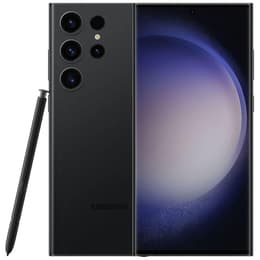
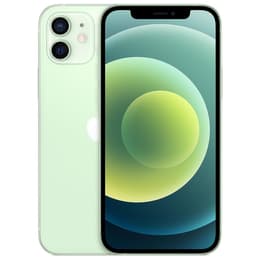
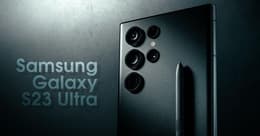
Galaxy S23 Ultra Vs iPhone 12
- 1-year minimum warranty
- Free delivery on all items
- Free 30-day returns
Differences at a glance
The Samsung Galaxy S23 Ultra, released in early 2023, and the Apple iPhone 12, launched in late 2020, represent two different generations of flagship smartphone technology. While the Galaxy S23 Ultra is a modern, large-format device designed for high-end productivity and advanced photography, the iPhone 12 is a more compact model that focuses on a streamlined and efficient user experience. These devices operate on different ecosystems—Android and iOS respectively—which influences how the hardware interacts with other gadgets and the overall software environment. Understanding these fundamental differences is essential for users deciding between a feature-rich newer model and a reliable, established smartphone.
Available Models
Colour
Storage (GB)
Scores
Durability
The three-year age gap between these two smartphones significantly impacts their long-term software support and physical resilience during daily use.
- Software Longevity: Released in 2023, the Galaxy S23 Ultra is expected to receive major operating system updates until 2027 and security patches until 2028, providing a long horizon for software relevance. In contrast, the iPhone 12, launched in 2020, is further along its lifecycle, with software support likely continuing for a few more years based on Apple's historical patterns of providing updates for six to seven years.
- Build and Repair: The Galaxy S23 Ultra features a robust frame and advanced glass protection designed to resist scratches and minor impacts. The iPhone 12 introduced a flat-edge design with a ceramic-infused front cover for improved drop protection. Both manufacturers have established repair programmes, though the newer Samsung model may have more readily available components for modern service standards in the coming years.
Year of Release
2023
2020
Compatible with latest Update
Yes
Yes
OS
Android
iOS
Foldable
No
No
Performance
Daily performance and system responsiveness vary between these devices due to the evolution of internal hardware and memory management over time.
- Multitasking and Speed: The Galaxy S23 Ultra handles demanding tasks, such as high-end gaming and intensive video editing, with ease thanks to its modern internal architecture and high memory capacity, which allows for many apps to stay open simultaneously. The iPhone 12 remains responsive for everyday applications like social media and web browsing, though it may show its age when running the most intensive new software or multitasking between several heavy apps.
- Battery and Storage: With a large 5,000mAh battery, the Galaxy S23 Ultra is built to last through a full day of heavy use without needing a mid-day charge. The iPhone 12 has a smaller battery capacity, which may require more frequent charging for active users. Additionally, the Samsung model typically offers higher base storage options, starting at 256GB, whereas the iPhone 12 starts at 64GB.
Screen quality
The viewing experience is one of the most immediate differences users will notice, affecting everything from reading text to watching high-definition videos.
- Display Fluidity: The Galaxy S23 Ultra features a high refresh rate of 120Hz, which makes scrolling through menus and animations appear fluid and responsive. The iPhone 12 uses a standard 60Hz refresh rate, which is clear and functional but lacks the same level of visual smoothness found on the newer Samsung device.
- Size and Brightness: At 6.8 inches, the Galaxy S23 Ultra offers a vast canvas that is also capable of reaching high brightness levels, making it easier to see in direct sunlight. The iPhone 12 provides a 6.1-inch display that is more manageable for one-handed use while still offering the deep blacks and sharp contrast associated with high-quality OLED technology, though its peak brightness is lower than the Samsung model.
Resolution
1440 x 3088
1170 x 2532
Screen type
Dynamic AMOLED 2X
Super Retina XDR OLED
Audiovisual
Camera capabilities represent a major point of divergence, with one device offering extensive hardware versatility and the other focusing on consistent simplicity.
- Zoom and Versatility: The Galaxy S23 Ultra is equipped with a sophisticated multi-lens system, including a 200-megapixel main sensor and a dedicated lens for long-range photography that allows users to capture clear images from a distance. The iPhone 12 features a dual 12-megapixel lens setup that excels at capturing natural-looking photos and high-quality video in standard lighting conditions, though it lacks a dedicated zoom lens.
- Video and Low-Light: Thanks to its newer and larger sensor technology, the Galaxy S23 Ultra can pull in more light for clearer night-time photos and supports 8K video recording. The iPhone 12 remains a capable performer for evening shots and 4K video, though it lacks the advanced processing and sensor size found in the more recent Samsung model.
Main camera
200 megapixels
12 megapixels
Front camera
12 megapixels
12 megapixels
Miscellaneous
Practical design choices and connectivity standards influence how these phones fit into a user's existing setup of cables and accessories.
- Biometrics and Input: The Galaxy S23 Ultra includes an integrated stylus for note-taking and an ultrasonic fingerprint sensor under the screen for secure access. The iPhone 12 relies on facial recognition technology, which users often find quick and intuitive for unlocking the device and authenticating payments, though it lacks any form of stylus support or fingerprint scanning.
- Physical Dimensions: Weighing approximately 234 grams, the Galaxy S23 Ultra is a substantial device that requires a large pocket and two-handed use for many tasks. The iPhone 12 is significantly lighter at 162 grams, making it a more comfortable choice for users who prefer a device that is easy to carry and operate with one hand throughout the day.
Weight
233 g
164 g
Width
0,9 cm
7.15 cm
Height
16,3 cm
14.67 cm
Depth
8,9 cm
0.74 cm
Screen size (in)
6.8
6.1
Mobile network
5G
5G
SIM card
Dual Physical SIM + eSIM
Physical SIM + eSIM
Carrier compatibility
Unlocked
Unlocked
Connector
USB-C
Lightning
What the community thinks
In summary, the choice between the Galaxy S23 Ultra and the iPhone 12 involves weighing the benefits of cutting-edge technology against the reliability of a compact classic. User consensus on forums often highlights the Galaxy S23 Ultra for its exceptional screen and the versatility of its zoom camera, making it a favourite for those who use their phone as a primary creative or productivity tool. Conversely, the iPhone 12 is frequently praised for its enduring performance and the simplicity of the iOS ecosystem, which remains a strong draw for users who want a dependable device that works seamlessly with other Apple products.
Users who prioritise a large screen, long battery life, and advanced photography features will likely find the Galaxy S23 Ultra better suited to their needs. Those who prefer a lightweight, easy-to-use smartphone for daily communication and standard apps may lean toward the iPhone 12. For those looking to make a more sustainable choice, selecting a quality-assured refurbished option for either model is an excellent way to access high-end technology. Ultimately, both devices remain capable choices, and opting for a refurbished model provides an eco-friendly alternative that supports a circular economy while delivering a reliable smartphone experience for years to come.