Compare models
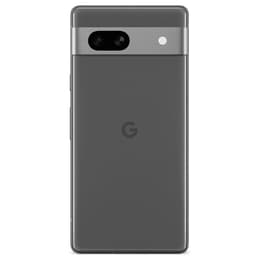
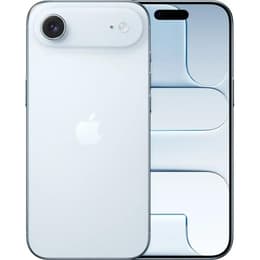
Google Pixel 7A Vs iPhone Air
- 1-year minimum warranty
- Free delivery on all items
- Free 30-day returns
Differences at a glance
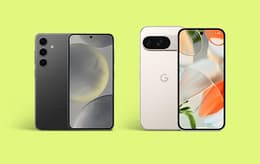
The Google Pixel 7a (2023) and the Apple iPhone Air (2025) represent two distinct approaches to modern smartphone design, targeting users with different platform preferences and form-factor priorities. While the Pixel 7a offers a compact, functional Android experience, the iPhone Air introduces an ultra-slim profile running iOS.
Available Models
Colour
Storage
Scores
Durability
When evaluating structural longevity and software support, both devices provide robust lifespans backed by multi-year update schedules, though they approach hardware durability through different materials.
- Software Support: The Google Pixel 7a receives long-term Android system updates, while the iPhone Air benefits from Apple's extended iOS support window and frequent security patches.
- Build Integrity: The Pixel 7a utilizes a durable composite rear panel with an aluminum frame, whereas the iPhone Air employs a grade-5 titanium chassis paired with reinforced glass protection.
- Expected Lifespan: Both smartphones maintain high practical longevity for daily tasks, though component wear will vary depending on individual usage intensity.
Year of Release
2023
2025
Compatible with latest Update
Yes
Yes
OS
Android
iOS
Foldable
No
No
Performance
Day-to-day operation relies on capable internal architecture that handles multitasking, navigation, and mobile applications smoothly across both platforms.
- System Responsiveness: Both devices load everyday apps instantly and transition between open windows smoothly, supported by ample memory configurations.
- Multitasking and Gaming: Resource-intensive applications and demanding mobile games run reliably, with efficient thermal management preventing sudden slowdowns.
- Battery Behavior: Battery endurance handles standard daily use comfortably, though high-refresh-rate viewing and extensive gaming sessions require more frequent recharging.
Screen quality
Visual output differs in physical dimensions and panel technology, but both models deliver sharp text reproduction and vivid color reproduction.
- Display Technology: Both models utilize vibrant OLED panels that produce deep black levels and high contrast for media consumption.
- Outdoor Visibility: Maximum brightness adjustments allow screens to remain legible under direct sunlight or bright ambient lighting conditions.
- Refresh Rate: Smooth scrolling is enabled by high-refresh-rate capabilities, ensuring fluid motion during web browsing and UI navigation.
Resolution
1080 x 2400
2736x1260
Screen type
OLED
Super Retina XDR
Audiovisual
Optics and acoustic outputs cater to everyday multimedia needs, featuring capable sensors and balanced speaker configurations.
- Photography Performance: Main camera sensors capture detailed daylight images and balanced low-light shots using advanced computational processing.
- Video Recording: Video capture maintains steady stabilization and clear audio recording during movement.
- Media Consumption: Built-in stereo and mono speaker configurations deliver clear audio output for calls and casual video playback.
Main camera
64 megapixels
48 megapixels
Front camera
13 megapixels
18 megapixels
Miscellaneous
Connectivity features and physical dimensions dictate how each smartphone feels during daily carry and handling.
- Connectivity Standards: Both devices support modern 5G cellular networks, Wi-Fi protocols, and Bluetooth pairing for reliable accessory connection.
- Port Type: Universal USB-C ports handle wired charging and data transfers on both models.
- Physical Handling: The Pixel 7a offers a smaller, one-hand-friendly footprint, while the iPhone Air prioritizes an exceptionally thin and lightweight profile.
Weight
193 g
165 g
Screen size (in)
6.1
6.5
Mobile network
5G
5G
SIM card
Physical SIM + eSIM
eSIM
Carrier compatibility
Unlocked
Unlocked
What the community thinks
User feedback from online communities highlights distinct preferences for each device. Owners of the Google Pixel 7a frequently praise its reliable daily performance, clean interface, and capable camera system within a compact footprint. Conversely, iPhone Air users often emphasize appreciation for the remarkably thin profile, lightweight titanium build, and seamless iOS integration. Common discussions occasionally note that the ultra-slim design of the iPhone Air leaves less room for larger battery capacity, while some Pixel users desire faster charging speeds.
Users prioritizing a compact, traditional Android interface and straightforward everyday utility may prefer the Google Pixel 7a. Meanwhile, users prioritizing an ultra-slim profile, lightweight handling, and the iOS ecosystem will lean toward the iPhone Air. Choosing a quality-assured refurbished option provides an eco-friendly way to acquire either device while supporting sustainable electronics consumption.