
Compare models
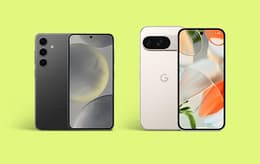
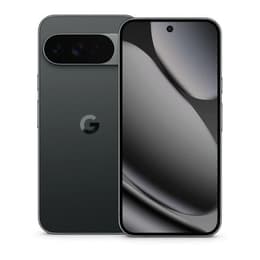
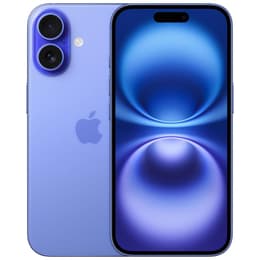
Google Pixel 10 Pro XL Vs iPhone 16
- 1-year minimum warranty
- Free delivery on all items
- Free 30-day returns
Differences at a glance
The Google Pixel 10 Pro XL (2025) and the iPhone 16 (2024) represent prominent offerings from two major smartphone ecosystems, catering to users seeking high-end mobile technology. While the Pixel 10 Pro XL provides a large-screen Android experience emphasizing expanded workspace and versatile photography, the iPhone 16 delivers Apple's ecosystem integration within a compact footprint. Running on Android and iOS respectively, these devices distinctively separate users who prefer open system customization from those leaning toward streamlined ecosystem consistency.
Available Models
Colour
Storage
Scores
Durability
Both smartphones are built to remain functional for years, though they differ in release timelines and software update commitments.
- Software Support Duration: Both manufacturers provide long-term operating system updates and security patches spanning multiple years, helping keep the devices secure and current.
- Repairability and Build: Each model incorporates durable glass and metal frames, with standardized repair pathways available through certified service providers.
- Expected Practical Lifespan: Robust internal components and sustained software updates ensure both devices easily handle daily communication, browsing, and media consumption over several years.
Year of Release
2025
2024
Compatible with latest Update
Yes
Yes
Foldable
No
No
Performance
Under everyday use, both devices handle intensive multitasking, fast app switching, and responsive navigation smoothly, though they approach resource allocation differently.
- Memory and Multitasking: The Pixel 10 Pro XL features a generous memory allocation supporting heavy background processing, while the iPhone 16 relies on optimized memory management to run demanding tasks efficiently.
- Battery Behavior: The larger footprint of the Pixel device houses a high-capacity battery designed to sustain extended periods of heavy use, whereas the iPhone 16 balances energy consumption efficiently within its more compact frame.
- System Responsiveness: Both models load applications instantly, render graphics fluidly, and maintain steady performance during prolonged usage sessions.
Screen quality
Visual output differs noticeably between the two models primarily due to physical dimensions and display panel geometry.
- Display Technology: Both use vibrant organic light-emitting diode panels that deliver deep contrast levels, sharp text rendering, and vivid color reproduction.
- Brightness and Outdoors: High peak luminance capabilities on both screens ensure content remains legible under direct sunlight or bright ambient lighting conditions.
- Refresh Rate and Size: The Pixel 10 Pro XL provides a sweeping 6.8-inch panel with a smooth high refresh rate, while the iPhone 16 offers a smaller, pocket-friendly display tailored for single-handed use.
Resolution
1344x2992
1179 x 2556
Audiovisual
Media capture systems on both devices excel at producing clear photos and stable video recordings across various lighting conditions.
- Lens Configurations: The Pixel 10 Pro XL includes a versatile triple-lens array featuring an optical zoom telephoto lens, whereas the iPhone 16 utilizes a dual-lens setup optimized for everyday wide and ultra-wide framing.
- Video and Audio: Both units record high-definition video with effective stabilization, complemented by sensitive microphone arrays that capture clear dialogue and ambient sound.
- Speaker Output: Built-in stereo speakers deliver balanced sound quality suitable for hands-free calls, casual media streaming, and gaming.
Front camera
42 megapixels
12 megapixels
Miscellaneous
Physical handling characteristics and connectivity options define how each device integrates into daily routines.
- Connectivity and Ports: Both models support current 5G cellular networks, fast Wi-Fi standards, and modern Bluetooth protocols alongside reversible cable connection ports.
- Security Sensors: Each device provides secure biometric authentication methods utilizing facial recognition or fingerprint scanning for quick unlocking.
- Dimensions and Handling: The Pixel 10 Pro XL is heavier and wider to accommodate its expansive screen, whereas the iPhone 16 offers a lighter, narrower build that rests easily in smaller hands.
Weight
232 g
170 g
Screen size (in)
6.8
6.1
Mobile network
5G
5G
SIM card
Physical SIM + eSIM
Physical SIM + eSIM
Carrier compatibility
Unlocked
Unlocked
Connector
USB-C
USB-C (USB 2)
What the community thinks
Community discussions indicate that users appreciate the Google Pixel 10 Pro XL for its expansive display area, extensive workspace, and versatile telephoto camera versatility. Common observations note that its larger physical footprint requires two-handed use for comfort. Conversely, users frequently praise the iPhone 16 for its comfortable ergonomics, reliable daily battery endurance, and seamless integration with other Apple devices. Some note that the absence of a dedicated optical zoom lens on the standard iPhone model limits distant subject framing compared to larger pro-grade alternatives.
Users prioritizing a large viewing canvas, flexible multi-lens photography, and Android customization may prefer the Google Pixel 10 Pro XL. Meanwhile, users prioritizing a compact form factor, simple one-handed navigation, and the iOS ecosystem will lean toward the iPhone 16. For those seeking an eco-friendly alternative, exploring a quality-assured refurbished option provides a sustainable path to acquiring either device while reducing electronic waste.