
Compare models

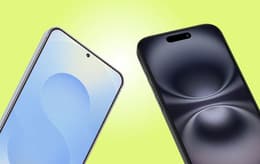
Galaxy Z Fold7 Vs iPhone Air

  • 1-year minimum warranty
  • Free delivery on all items
  • Free 30-day returns
Galaxy Z Fold7
Starting at

Refurbished price:£726.00

Versus £1,900.00 new

See options
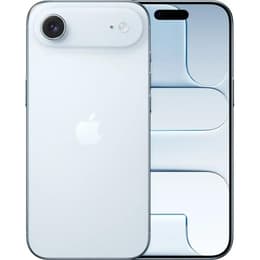
iPhone Air
Starting at

Refurbished price:£604.00

Versus £1,099.00 new

See options

Differences at a glance

The Samsung Galaxy Z Fold7 (2025) and the Apple iPhone Air (2025) represent two distinct visions of modern mobile hardware engineering, pairing advanced smartphone capabilities with entirely different physical form factors. While the Galaxy Z Fold7 opts for a transformable book-style folding design that expands into a tablet-sized workspace, the iPhone Air prioritizes an ultra-slim, lightweight slate profile. Operating on Android and iOS respectively, these devices cater to users seeking high-end portable computing through fundamentally contrasting physical architectures.

Available Models

Colour

Storage

Scores

Durability

When evaluating structural longevity and software support, both devices are built to remain functional and secure for years, though their physical construction introduces different long-term considerations.

  • Software longevity and updates: Both manufacturers provide extensive multi-year operating system support schedules, ensuring consistent security patches and feature updates throughout the expected lifecycle of each device.
  • Physical durability and build: The Galaxy Z Fold7 utilizes a complex folding hinge mechanism that requires careful handling over time, whereas the rigid, ultra-thin slate construction of the iPhone Air offers fewer moving parts to wear down.
  • Repairability and maintenance: Standard wear items like internal batteries will eventually require service for both models, with traditional slate form factors generally presenting a more straightforward maintenance process than multi-screen folding hardware.

Year of Release

2025

2025

Compatible with latest Update

Yes

Yes

OS

Android

iOS

Foldable

Yes

No

Performance

Both smartphones handle demanding daily responsibilities, heavy multitasking, and resource-intensive applications with ease, though they approach hardware efficiency in unique ways.

  • System responsiveness and multitasking: Both models manage swift app switching, split-screen workflows, and demanding gaming sessions smoothly without noticeable stutter or lag.
  • Storage capacity configurations: Both devices offer ample baseline storage configurations starting at generous capacities, scaling up to extensive room for large local media libraries and heavy document storage.
  • Battery behavior and endurance: The physical constraints of an exceptionally thin chassis mean the iPhone Air relies on power-efficient processing to stretch its battery through typical daily use, while the larger footprint of the Galaxy Z Fold7 accommodates dual-screen demands with a higher-capacity power cell.

Screen quality

Display characteristics differ significantly based on form factor, with one focusing on expansive workspace versatility and the other emphasizing single-panel visual refinement.

  • Display technology and structure: The Galaxy Z Fold7 features a flexible internal screen that unfolds into a tablet-sized viewing area alongside a standard outer cover display, while the iPhone Air utilizes a single high-resolution OLED panel.
  • Outdoor visibility and brightness: Both screens reach high peak brightness levels to maintain clear legibility and contrast when used under direct sunlight or in bright outdoor environments.
  • Refresh rate and visual smoothness: Both devices incorporate adaptive refresh rate technology scaling up to high frequencies, ensuring smooth scrolling through web pages and fluid animation transitions.

Resolution

1968x2184

2736x1260

Audiovisual

Media capture and audio output capabilities reflect different engineering choices, balancing versatile multi-lens arrays against streamlined single-lens setups.

  • Camera system versatility: The Galaxy Z Fold7 employs a flexible multi-lens rear camera system including primary, ultra-wide, and telephoto options, whereas the iPhone Air utilizes a streamlined single-lens primary layout housed within a raised rear plateau.
  • Video recording and low light: Both devices capture detailed video footage with steady stabilization and handle challenging low-light environments effectively through advanced image processing algorithms.
  • Media and speaker output: Built-in speaker systems on both models deliver clear audio for casual media consumption, calls, and video playback without requiring external accessories.

Miscellaneous

Connectivity standards, physical handling, and daily ergonomics highlight further distinctions in how each device integrates into a user's routine.

  • Physical dimensions and handling: The iPhone Air emphasizes featherlight portability with a remarkably thin profile, while the Galaxy Z Fold7 offers a thicker folded grip that opens up into a much wider surface area.
  • Connectivity and standards: Both models support current-generation mobile networks, rapid wireless connectivity protocols, and modern satellite-based emergency communication features.
  • Biometric security: The Galaxy Z Fold7 integrates a convenient side-mounted fingerprint sensor alongside facial recognition, while the iPhone Air relies exclusively on advanced facial scanning technology for authentication.

Weight

215 g

165 g

Screen size (in)

8.0

6.5

Mobile network

5G

5G

SIM card

Dual Physical SIM + eSIM

eSIM

Carrier compatibility

Unlocked

Unlocked

What the community thinks

User discussions across community forums often highlight the appeal of the Galaxy Z Fold7 for multitasking enthusiasts who appreciate having a portable tablet workspace in their pocket. Common praise centers on its expansive internal display productivity, while frequent discussions note the trade-offs of a thicker folded profile and the inherent care required for folding glass mechanisms. Conversely, community feedback for the iPhone Air frequently praises its breakthrough weight and slender profile, though some users note that a single-lens camera setup and slender battery footprint involve compromises compared to traditional thick flagship alternatives.

Users prioritizing maximum screen workspace for multitasking and media viewing will find the Galaxy Z Fold7 well-suited to their workflow, while users prioritizing an exceptionally light, thin, and traditional phone handling experience may lean toward the iPhone Air. Choosing a quality-assured refurbished option through platforms like Back Market provides an eco-friendly alternative for acquiring either of these advanced devices while reducing electronic waste. Ultimately, the right choice depends entirely on whether a transformable folding display or a razor-thin single-panel profile best matches daily usage habits.