Galaxy Tab S8 (11.0", 2022) Vs Galaxy Tab S9 FE+ (12.4", 2023)

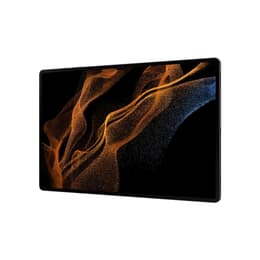
Galaxy Tab S8 (11.0", 2022)
Starting at

Refurbished price:£262.00

Versus £745.19 new

See options
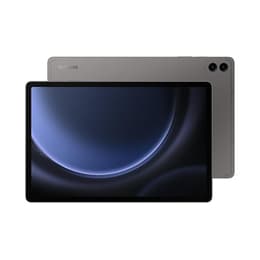
Galaxy Tab S9 FE+ (12.4", 2023)
Starting at

Refurbished price:£337.00

Versus £799.00 new

See options

Ratings

The Samsung Galaxy Tab S8, released in 2022, and the Galaxy Tab S9 FE+, launched in 2023, are Android tablets designed for different user needs. While both offer a versatile tablet experience with S Pen support, they diverge significantly in display technology, processing power, and overall size. The Tab S8 aims for a more premium performance, whereas the Tab S9 FE+ provides a larger screen and more recent release date with a focus on essential features.

Scores

Durability

The practical lifespan of a tablet is influenced by its release timeline, software support, and physical durability. These two models offer different expectations in these areas.

  • Release Timeline: The Galaxy Tab S8 was released in February 2022, making it an older model compared to the Galaxy Tab S9 FE+, which launched in October 2023. This difference in release year directly impacts their remaining software support window.
  • Software Longevity: Samsung typically provides 4 generations of Android OS updates and 5 years of security updates for its S-series tablets, including the Tab S8. The Tab S9 FE+ is also expected to receive 4 generations of OS updates and 5 years of security updates. This means the Tab S9 FE+ will likely receive software support for a longer period due to its later release.
  • Repairability and Build: Both tablets feature a durable build with aluminum frames. While specific repairability scores can vary, both are designed for everyday use. Users can expect similar physical resilience, though the newer Tab S9 FE+ benefits from more recent manufacturing processes.

Year of Release

2022

2023

Compatible with latest Update

Yes

Yes

OS

Android

Android

Performance

Performance is a key differentiator, impacting how smoothly applications run and how efficiently tasks are handled on each device.

  • Processing Power: The Galaxy Tab S8 is equipped with a processor that handles demanding applications and multitasking with considerable speed and efficiency. This allows for smooth operation even with intensive tasks like advanced gaming or video editing. In contrast, the Galaxy Tab S9 FE+ features a processor that capably manages daily tasks, web browsing, and light to moderate gaming, but may show some hesitation with very demanding applications or extensive multitasking.
  • Multitasking and Responsiveness: The Tab S8 generally offers a more responsive experience, allowing for quicker app launches and seamless transitions between multiple open applications. The Tab S9 FE+, while generally smooth for typical use, might exhibit minor delays or stutters when switching between numerous applications or running several resource-intensive programs simultaneously.
  • Battery Behavior: The Galaxy Tab S8 has an 8000 mAh battery, providing sufficient power for a full day of moderate use. The Galaxy Tab S9 FE+ comes with a larger 10090 mAh battery, which, combined with its processor, generally offers extended usage times, particularly for tasks like video playback. However, some users report that under heavy load, the battery management and heat management of the S9 FE+ can be less efficient.

Memory (GB)

8 GB

8 GB

Processor

Qualcomm SM8450 Snapdragon 8 Gen 1

Exynos 1380

Screen quality

The visual experience is significantly shaped by the display technology, size, and refresh rate of each tablet.

  • Display Technology and Size: The Galaxy Tab S8 features an 11.0-inch LTPS LCD display, offering clear visuals and good color reproduction. The Galaxy Tab S9 FE+ boasts a larger 12.4-inch IPS LCD (TFT LCD) display, providing more screen real estate for content consumption and productivity. While both are LCD panels, the Tab S8's LTPS technology can sometimes offer slightly better power efficiency and responsiveness.
  • Resolution and Clarity: Both tablets offer a resolution of 2560x1600 pixels, resulting in sharp text and detailed images on their respective screen sizes. The larger screen of the Tab S9 FE+ means a slightly lower pixel density compared to the Tab S8, but both provide a clear viewing experience for typical use.
  • Refresh Rate and Smoothness: The Tab S8 features a 120Hz refresh rate, contributing to noticeably smoother scrolling and more fluid animations, which can enhance the user experience, especially in fast-paced content or gaming. The Tab S9 FE+ has a 90Hz refresh rate, which is smoother than standard 60Hz displays but not as fluid as the Tab S8's 120Hz panel.

Resolution

1600 x 2560

1600 x 2560

Screen type

TFT LCD

IPS LCD

Pixel density

280ppp

250ppp

Audiovisual

Both tablets include camera systems suitable for everyday photography, video calls, and document scanning, with some differences in their capabilities.

  • Rear Camera System: The Galaxy Tab S8 is equipped with a dual rear camera setup, featuring a 13MP wide lens and a 6MP ultrawide lens, offering versatility for capturing different scenes. The Galaxy Tab S9 FE+ also has a dual rear camera system, with two 8MP lenses, which are capable for general photography and document capture.
  • Front Camera Performance: For video calls and selfies, both tablets feature a 12MP front-facing camera. The Tab S8's front camera is an ultrawide lens, which is beneficial for group video calls. The Tab S9 FE+ also provides a capable 12MP front camera for clear video conferencing and self-portraits.
  • Video Recording and Audio: Both devices are capable of recording video at 4K resolution at 30 frames per second. The microphone quality on both is generally clear for calls and voice recordings. The Tab S8 offers a robust audio experience with its quad speakers, while the Tab S9 FE+ also provides good speaker output for media consumption, though some users note it might not be as loud as higher-end models.

Miscellaneous

Beyond core specifications, several practical elements contribute to the overall user experience and device utility.

  • Connectivity Options: Both tablets support modern wireless standards. The Galaxy Tab S8 features Wi-Fi 6E, offering faster and more stable wireless connections where available. The Galaxy Tab S9 FE+ supports Wi-Fi 6 and Bluetooth 5.3, providing reliable connectivity for internet access and peripheral devices.
  • Portability and Build Materials: The Tab S8 weighs 503g and measures 253.8 x 165.3 x 6.3 mm, making it a relatively compact and lightweight option. The Tab S9 FE+ is larger and heavier at 627g and 285.4 x 185.4 x 6.5 mm, offering a more expansive viewing area but with increased bulk. Both are constructed with aluminum frames, contributing to a solid and durable feel.
  • Additional Features: Both tablets include an S Pen in the box, enhancing their utility for note-taking, drawing, and precise interaction. The Tab S8 supports external display output via its USB-C port, allowing users to connect to a monitor for a desktop-like experience. The Tab S9 FE+, however, does not support external display output. Both feature a fingerprint scanner for secure unlocking, located on the power button for the S9 FE+ and also on the power key for the S8.

Weight

507 g

627 g

Screen size (in)

11.0

12.4

Network

Wi-Fi

Wi-Fi

Carrier compatibility

Without SIM Port

Unlocked

Connector

USB Type-C

USB Type-C

The Samsung Galaxy Tab S8 and Galaxy Tab S9 FE+ cater to distinct user preferences, each excelling in different areas. Users often praise the Tab S8 for its powerful performance and smooth 120Hz display, making it suitable for demanding applications and a highly responsive user experience. Some criticisms of the Tab S8 include its LCD screen compared to the AMOLED panels on its larger siblings, and the general challenge of Android app optimization for tablets.

The Galaxy Tab S9 FE+ is frequently lauded for its larger screen, extended battery life, and the inclusion of the S Pen, making it a strong contender for media consumption, note-taking, and general productivity. However, some users note that its 90Hz LCD display and processor, while capable, may not offer the same level of fluidity or raw power as more premium tablets, and its inability to connect to an external monitor can be a limitation for some professional workflows.

Users prioritizing high performance, a very fluid display, and the ability to connect to external monitors for an expanded workspace may find the Galaxy Tab S8 more aligned with their needs. Conversely, those who value a larger screen for immersive viewing, longer battery life, and a more recent release date for extended software support, and who primarily engage in everyday tasks and creative pursuits like drawing or note-taking, might lean towards the Galaxy Tab S9 FE+. Both tablets represent quality-assured refurbished options, offering a sustainable choice for consumers.

See all articles

Our recent comparisons