Compare models

Galaxy Tab A11+ (11.0", 2025) Vs iPad 10 (2022, A14 series)

  • 1-year minimum warranty
  • Free delivery on all items
  • Free 30-day returns
Galaxy Tab A11+ (11.0", 2025)
Starting at

Refurbished price:£194.99

Versus £260.09 new

See options
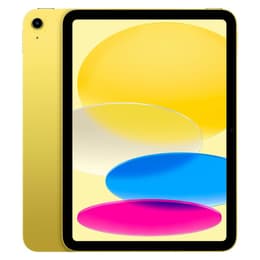
iPad 10 (2022, A14 series)
Starting at

Refurbished price:£340.00

Versus £499.00 new

See options

Differences at a glance

The Samsung Galaxy Tab A11+ (2025) and the Apple iPad 10 (2022) represent capable mid-range tablet options designed for daily productivity, media consumption, and casual use. While the iPad 10 runs on Apple's iPadOS ecosystem, the Galaxy Tab A11+ operates on Android, offering distinct software experiences tailored to different user preferences. Both devices bridge the gap between portability and performance, serving as versatile tools for students, travelers, and home users alike.

Available Models

Colour

Storage

Scores

Durability

When examining longevity and build support, both tablets approach software updates and durability differently based on their release timelines and manufacturer policies.

  • Software Support: The iPad 10 benefits from Apple's long-standing update schedule, ensuring multi-year operating system upgrades, while the Galaxy Tab A11+ relies on Samsung's current Android update commitment for security and platform patches.
  • Repairability: Both manufacturers provide structured repair pathways through authorized service centers, though independent repair options for tablets remain somewhat limited compared to smartphones.
  • Expected Lifespan: Both models are built to last several years of typical daily use, provided they are paired with quality-assured refurbished options that undergo rigorous testing before reaching the user.

Year of Release

2025

2022

Compatible with latest Update

Yes

Yes

OS

Android

iPadOS

Performance

Performance characteristics vary across these two tablets, impacting multitasking, media streaming, and general responsiveness during daily routines.

  • Multitasking and Responsiveness: Both devices handle web browsing, video streaming, and office applications smoothly, though differences in internal memory configurations affect how many apps remain open simultaneously in the background.
  • Storage Configurations: The devices are available in multiple storage tiers, allowing users to select capacities that align with their media libraries and document storage needs.
  • Battery Behavior: Each tablet offers enough battery capacity to easily manage a full day of mixed usage, including web surfing, reading, and video playback, before requiring a recharge.

Screen quality

Display characteristics define the visual experience, influencing how text, photos, and videos appear during everyday tasks.

  • Display Technology: Both models utilize bright LCD panels that deliver sharp text and natural color reproduction, making them well-suited for reading documents and watching movies.
  • Outdoor Usability: Adequate peak brightness levels on both screens allow for comfortable viewing in brightly lit indoor environments and moderate outdoor daylight.
  • Screen Size and Aspect Ratio: The screen dimensions provide ample workspace for split-screen apps and immersive media consumption without making the devices overly bulky to hold.

Resolution

1920 x 1200

2360 x 1640

Pixel density

180ppp

264ppp

Audiovisual

While tablets are rarely primary photography tools, their cameras and audio systems play a vital role in video calls and media playback.

  • Camera Capabilities: Both tablets feature capable front-facing and rear-facing cameras designed primarily for video conferencing, document scanning, and casual snapshots.
  • Video and Audio Output: Integrated stereo speakers deliver clear sound for virtual meetings and video streaming, while microphones pick up speech accurately in typical indoor settings.
  • Call and Conference Quality: The positioning of the front camera on both models supports natural eye contact during landscape video calls, enhancing remote communication.

Miscellaneous

Physical design and connectivity features dictate how easily these tablets integrate into various workflows and travel routines.

  • Connectivity Options: Both models support standard wireless networks, with select configurations offering cellular connectivity for internet access while on the move.
  • Port Types: Each device utilizes a universal USB-C port for charging and data transfer, simplifying cable management for users with modern accessories.
  • Portability: Slim profiles and moderate weights make both tablets comfortable to carry in backpacks or satchel bags for daily commuting or travel.

Weight

335 g

477 g

Screen size (in)

11.0

10.9

Network

Wi-Fi

Wi-Fi

Carrier compatibility

Without SIM Port

Without SIM Port

What the community thinks

User feedback highlights the iPad 10 for its smooth interface, robust app ecosystem optimized for tablets, and reliable build quality. Owners frequently praise its longevity and straightforward operating system, though some note limitations with file management compared to traditional computers. Conversely, the Galaxy Tab A11+ receives positive remarks for its flexible Android interface, expandable storage potential, and seamless integration with other Android devices. Users often appreciate the customizable nature of the software, while noting that certain third-party applications are better scaled for Apple's tablet layout.

Users prioritizing a familiar Android environment with high customizability may prefer the Galaxy Tab A11+, while users seeking a streamlined tablet experience within Apple's ecosystem will likely lean toward the iPad 10. Choosing an eco-friendly alternative like a sustainable, quality-assured refurbished model from Back Market allows buyers to acquire either device while supporting responsible resource consumption. Ultimately, the right choice depends on personal software preferences and how the tablet fits into existing device setups.
Our recent comparisons