
Compare models

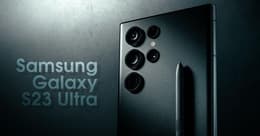
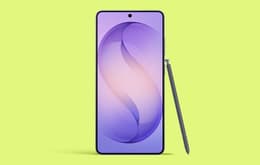
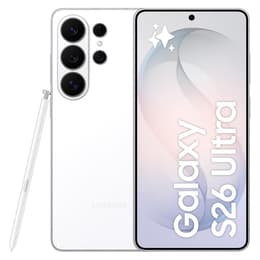
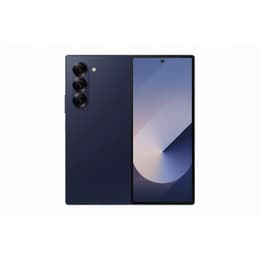
Galaxy S26 Ultra Vs Galaxy Z Fold6

  • 1-year minimum warranty
  • Free delivery on all items
  • Free 30-day returns
Galaxy S26 Ultra
Starting at

Refurbished price:£838.00

Versus £1,449.00 new

See options
Galaxy Z Fold6
Starting at

Refurbished price:£494.00

Versus £1,685.59 new

See options

Differences at a glance

The Samsung Galaxy S26 Ultra (2026) and the Samsung Galaxy Z Fold6 (2024) represent two distinct visions of high-end mobile engineering. While the Galaxy S26 Ultra follows a traditional slab design focused on integrated stylus utility and advanced imaging, the Galaxy Z Fold6 introduces a foldable form factor that expands into a tablet-sized workspace. Both devices operate on the Android platform with Samsung's custom interface, though their physical designs cater to entirely different daily workflows.

Available Models

Colour

Storage (GB)

Scores

Durability

When evaluating hardware longevity and software support, both devices provide extensive multi-year lifecycles backed by long-term manufacturer update commitments.

  • Software Support: Both models benefit from extended software and security update commitments spanning multiple years from their respective launch dates, ensuring long-term compatibility.
  • Repairability and Build: The Galaxy S26 Ultra uses a rigid titanium frame and reinforced glass panels, whereas the Galaxy Z Fold6 incorporates a complex hinge mechanism and a flexible inner display that require more careful handling over time.
  • Expected Lifespan: Traditional slab construction like the Galaxy S26 Ultra typically withstands heavy physical wear with fewer mechanical vulnerabilities, making it a reliable choice for long-term daily use.

Year of Release

2026

2024

Compatible with latest Update

Yes

Yes

OS

Android

Android

Foldable

No

Yes

Performance

Performance capabilities across both models handle demanding workloads, heavy multitasking, and intensive mobile gaming smoothly.

  • Multitasking and Memory: Generous RAM configurations on both devices allow seamless switching between multiple background applications without noticeable stutter or reload delays.
  • Battery Behavior: The Galaxy S26 Ultra features a higher-capacity battery that comfortably manages a full day of heavy usage, while the Galaxy Z Fold6's dual-screen configuration results in slightly faster battery consumption during extended inner-screen sessions.
  • System Responsiveness: Current-generation processors drive fast app loading times and fluid user interface animations across both models, ensuring smooth operation for productivity tasks.

Screen quality

Display technology represents one of the most significant distinctions between these two smartphones, offering different viewing experiences.

  • Display Technology: The Galaxy S26 Ultra utilizes a bright, flat OLED panel with low reflectivity, while the Galaxy Z Fold6 provides a flexible inner OLED display that transforms into a compact tablet layout.
  • Outdoor Visibility: High peak brightness levels on both devices ensure content remains legible under direct sunlight, though the Galaxy S26 Ultra's anti-reflective glass coating improves clarity in bright environments.
  • Refresh Rate: Both models support adaptive refresh rates reaching up to 120Hz, delivering smooth scrolling, responsive touch input, and fluid motion during media playback.

Resolution

1440 x 3120

1856 x 2160

Audiovisual

Imaging hardware and media consumption capabilities cater to different creative and entertainment preferences.

  • Camera Systems: The Galaxy S26 Ultra features a versatile multi-lens rear array including high-resolution telephoto options for distant subjects, whereas the Galaxy Z Fold6 utilizes a more streamlined camera configuration adapted for its folding chassis.
  • Low-Light Photography: Image sensors on both models capture detailed night shots and low-light scenes effectively, though the Galaxy S26 Ultra benefits from larger sensor areas for enhanced light gathering.
  • Media and Audio: Stereo speakers on both devices deliver clear sound for casual video viewing, with the Galaxy Z Fold6 providing an immersive canvas for widescreen media playback on its unfolded inner screen.

Front camera

12.0

4 megapixels

Miscellaneous

Practical physical characteristics and connectivity options define how these devices integrate into everyday life.

  • Connectivity: Both models offer comprehensive 5G compatibility, Wi-Fi standards, and Bluetooth support for stable accessories connection.
  • Physical Handling: The Galaxy S26 Ultra features a built-in stylus silo and a heavier, wider slab footprint, while the Galaxy Z Fold6 adopts a taller, narrower outer profile that folds open into a broader device.
  • Durability Ratings: The Galaxy S26 Ultra includes robust water resistance ratings, whereas the Galaxy Z Fold6 incorporates specialized water-resistant sealing despite its mechanical hinge design.

Weight

214 g

239 g

Screen size (in)

6.9

7.6

Mobile network

5G

5G

SIM card

Dual Physical SIM + eSIM

Dual Physical SIM + eSIM

Carrier compatibility

Unlocked

Unlocked

Connector

USB-C

USB-C

What the community thinks

User feedback from online communities highlights distinct advantages for each device based on everyday habits. Owners of the Galaxy S26 Ultra frequently praise its reliable battery performance, integrated stylus utility, and robust drop resistance. Conversely, Galaxy Z Fold6 users highlight the productivity benefits of the expansive inner screen and the convenience of split-screen multitasking for document editing and media viewing. However, some users note that the foldable model requires careful handling and adds noticeable pocket weight compared to traditional slab smartphones.

Users prioritizing productivity, expansive screen real estate, and multitasking flexibility may prefer the Galaxy Z Fold6, while users focusing on traditional ergonomics, integrated stylus convenience, and robust everyday durability will find the Galaxy S26 Ultra well-suited to their needs. Choosing a quality-assured refurbished option through platforms like Back Market provides an eco-friendly way to access these advanced mobile technologies while reducing electronic waste. Ultimately, the decision rests on whether a traditional high-performance slab design or a flexible dual-screen form factor aligns better with personal daily workflows.