Compare models

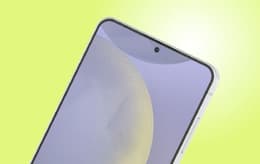
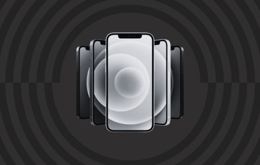
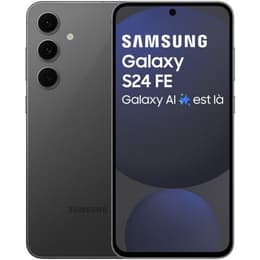
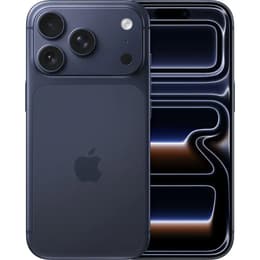
Galaxy S24 FE Vs iPhone 17 Pro

  • 1-year minimum warranty
  • Free delivery on all items
  • Free 30-day returns
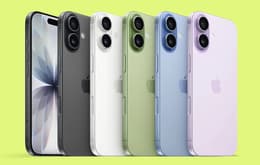
Galaxy S24 FE
Starting at

Refurbished price:£246.00

Versus £741.91 new

See options
iPhone 17 Pro
Starting at

Refurbished price:£811.00

Versus £1,099.00 new

See options

Differences at a glance

The Samsung Galaxy S24 FE (2024) and the Apple iPhone 17 Pro (2025) represent distinct approaches to modern mobile technology, balancing everyday usability with specialized hardware capabilities. While the Galaxy S24 FE is designed to offer core flagship features in a balanced format, the iPhone 17 Pro targets users looking for advanced mobile computing and camera engineering. These devices operate on different software ecosystems, with Android powering the Samsung model and iOS running on the Apple device, leading to distinct user interface experiences and application management styles.

Available Models

Colour

Storage

Scores

Durability

When evaluating the longevity and structural endurance of these smartphones, both manufacturers provide robust software and hardware support frameworks that ensure extended usability over several years.

  • Software support timelines: Both devices receive multi-year operating system upgrades and security patches, though release dates place the iPhone 17 Pro slightly further ahead in its active support cycle.
  • Repairability and build integrity: Each model utilizes rigid frame construction and reinforced glass panels, supporting standard maintenance procedures through authorized and quality-assured refurbished options that extend device life cycles sustainably.
  • Expected daily endurance: Both systems maintain stable internal thermal management, ensuring that long-term hardware degradation remains minimal under standard daily usage routines.

Year of Release

2024

2025

Compatible with latest Update

Yes

Yes

OS

Android

iOS

Foldable

No

No

Performance

Daily responsiveness and system speed vary according to internal hardware configuration, directly impacting how each device handles intensive multitasking, gaming, and background processes.

  • Storage and multitasking capacity: Both models offer multiple capacity tiers paired with high-speed memory architectures, ensuring seamless switching between demanding applications and heavy web browsing.
  • Processor efficiency and speed: Advanced internal processing units allow both devices to handle graphics-heavy gaming and rapid application loading smoothly without noticeable stutter or lag.
  • Battery behavior during heavy use: Power consumption optimization allows both phones to comfortably navigate a full day of standard mixed usage, though charging speeds and daily drainage patterns differ based on individual usage habits.

Screen quality

Visual output and display responsiveness play a central role in the user experience, with both manufacturers implementing advanced panel technologies to ensure clarity and fluid motion.

  • Display technology and vibrancy: Both smartphones feature bright OLED panels that deliver deep contrast levels, rich color reproduction, and wide viewing angles suitable for media consumption.
  • Outdoor visibility and brightness: High peak luminance capabilities on both screens ensure that text and images remain legible even under direct, bright sunlight conditions.
  • Refresh rate and scrolling fluidity: High refresh rate support ensures that motion graphics, scrolling menus, and interactive animations render smoothly across both device displays.

Resolution

1080 x 2340

2622x1206

Screen type

Dynamic AMOLED 2X

Super Retina XDR

Audiovisual

Multi-lens camera configurations on these devices cater to varied photography preferences, ranging from casual everyday snapshots to detailed low-light and telephoto capture.

  • Lens versatility and system setup: Both models include primary, ultra-wide, and telephoto options, allowing users to switch focal lengths easily for landscapes, portraits, and close-up framing.
  • Low-light and video performance: Advanced sensor sensitivity and computational imaging support clean low-light photography alongside stable video recording features equipped with high-resolution output.
  • Audio and media playback: Integrated multi-microphone arrays and stereo speaker configurations provide clear voice recording quality and balanced audio output for media streaming and calls.

Main camera

50 megapixels

48 megapixels

Front camera

10 megapixels

18 megapixels

Miscellaneous

Physical dimensions, connectivity standards, and daily handling characteristics define the ergonomic footprint and modern utility of each smartphone model.

  • Connectivity and network standards: Both devices support modern 5G cellular bands, fast Wi-Fi protocols, and advanced Bluetooth standards for reliable peripheral pairing and data transfer.
  • Physical build and ergonomics: The Galaxy S24 FE offers a slightly broader frame with a flat display layout, whereas the iPhone 17 Pro emphasizes contoured edges and premium metal-and-glass construction that influences one-handed comfort.
  • Biometric security sensors: Secure authentication is handled via responsive facial recognition systems or integrated display fingerprint scanners depending on the chosen model architecture.

Weight

213 g

206 g

Screen size (in)

6.7

6.3

Mobile network

5G

5G

SIM card

Dual Physical SIM

Physical SIM + eSIM

Carrier compatibility

Unlocked

Unlocked

Connector

USB-C

USB-C

What the community thinks

User feedback from online forums and communities highlights distinct preferences for each device based on individual daily habits and ecosystem familiarity. Owners of the Galaxy S24 FE frequently praise its balanced feature set, reliable daily performance, and comfortable screen size, while noting that its physical footprint is slightly wider to hold. Conversely, users of the iPhone 17 Pro often emphasize appreciation for its advanced camera capabilities, compact handling profile, and smooth system animations, though some mention the steep learning curve associated with transitioning between mobile operating systems.

Users who prioritize a large display and flexible Android customization options may prefer the Galaxy S24 FE, while users who focus on compact ergonomics, advanced video recording tools, and the iOS environment will likely lean toward the iPhone 17 Pro. Choosing between these devices depends on matching specific personal workflow requirements with each smartphone's structural strengths. Exploring a quality-assured refurbished option provides an eco-friendly pathway to acquiring either device while reducing electronic waste through sustainable consumption choices.