Compare models

iPhone 16 Pro Vs OnePlus 13

  • 1-year minimum warranty
  • Free delivery on all items
  • Free 30-day returns
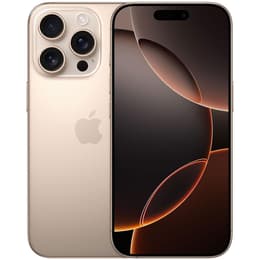
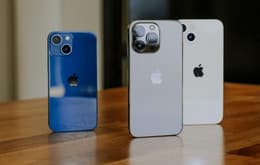
iPhone 16 Pro
Starting at

Refurbished price:£603.00

Versus £999.00 new

See options
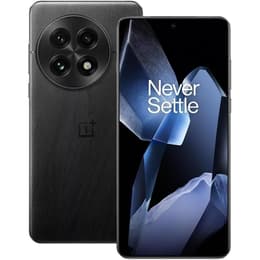
OnePlus 13
Starting at

Refurbished price:£519.00

Versus £888.40 new

See options

Differences at a glance

The Apple iPhone 16 Pro (2024) and the OnePlus 13 (2025) represent high-end mobile engineering within the smartphone landscape. While both devices deliver flagship capabilities, they differ notably in ecosystem approach, screen dimensions, and hardware philosophy. Operating on iOS and Android respectively, these models cater to users seeking advanced mobile technology tailored to distinct daily habits.

Available Models

Colour

Storage (GB)

Scores

Durability

When evaluating hardware longevity and support timelines, both models offer robust build qualities designed for multi-year usage, though their software update pathways differ.

  • Software Support: The iPhone 16 Pro features Apple's long-standing update commitment spanning numerous years, whereas the OnePlus 13 provides an extensive multi-version Android upgrade schedule backed by OxygenOS.
  • Repairability and Build: Both devices employ durable titanium or reinforced glass elements paired with high-grade water and dust resistance certifications, ensuring they withstand normal wear and tear over extended lifespans.

Year of Release

2024

2025

Compatible with latest Update

Yes

Yes

Foldable

No

No

Performance

Under everyday workloads, both smartphones handle demanding applications, rapid multitasking, and intensive mobile gaming smoothly thanks to advanced internal processing architecture.

  • Multitasking and Memory: Generous random access memory allocations on both units ensure seamless switching between heavy productivity tools and background services without lag.
  • Battery Endurance: The OnePlus 13 incorporates a high-capacity silicon-carbon battery designed for extended mixed usage, while the iPhone 16 Pro optimizes power efficiency through tightly integrated software to last through a full day of typical tasks.

Screen quality

Display configurations on these models prioritize high pixel density, vibrant color reproduction, and smooth motion handling for media consumption and reading.

  • Display Technology: Both utilize advanced organic light-emitting diode panels with adaptive refresh rates scaling up to 120Hz for fluid scrolling and responsive touch interactions.
  • Brightness and Viewing: High peak luminance levels ensure clear outdoor visibility under direct sunlight, while wide color gamuts deliver accurate imagery for photos and videos.

Resolution

1206 x 2622

1440 x 3168

Screen type

LTPO Super Retina XDR OLED

AMOLED

Audiovisual

The imaging hardware on both devices accommodates versatile photography scenarios, featuring high-resolution main sensors alongside dedicated ultrawide and optical zoom options.

  • Photography Performance: Both models capture detailed low-light shots and sharp everyday scenes, utilizing computational photography to balance highlights and shadows automatically.
  • Video and Audio: High-definition video recording features robust stabilization, complemented by clear multi-microphone arrays for calls and stereo speaker setups suited for casual media playback.

Miscellaneous

Practical daily usability is shaped by physical dimensions, connectivity standards, and biometric security integration.

  • Connectivity and Ports: Both units support rapid wireless standards and modern cellular networks, utilizing standard USB-C connection ports for data transfer and charging.
  • Design and Biometrics: The iPhone 16 Pro provides a more compact footprint with 3D facial recognition, whereas the OnePlus 13 offers a larger screen real estate paired with an optical in-display fingerprint sensor.

Weight

199 g

213 g

Screen size (in)

6.3

6.82

Mobile network

5G

5G

SIM card

Physical SIM + eSIM

Dual Physical SIM

Carrier compatibility

Unlocked

Unlocked

Connector

USB-C (USB 3)

USB-C

What the community thinks

User discussions across community forums highlight distinct preferences for each device based on daily habits and software preferences. Owners of the iPhone 16 Pro frequently praise its compact handling, seamless ecosystem integration, and video recording fidelity. Conversely, OnePlus 13 users often emphasize the advantage of rapid charging speeds, expansive screen space, and the open customization options of the Android operating system. Common criticisms for both models generally focus on high retail acquisition costs when purchased brand new.

Users prioritizing a compact one-handed form factor and deep integration with Apple services may prefer the iPhone 16 Pro, while users prioritizing expansive media viewing areas and rapid power replenishment will find the OnePlus 13 well-suited to their needs. For those seeking a sustainable choice, choosing a quality-assured refurbished option from Back Market provides an eco-friendly alternative to brand-new hardware without compromising on performance or reliability.