
Compare models

Galaxy S22+ 5G Vs Galaxy Z Flip7

  • 1-year minimum warranty
  • Free delivery on all items
  • Free 30-day returns
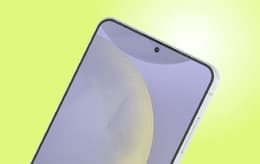
Galaxy S22+ 5G
Starting at

Refurbished price:£201.00

Versus £1,283.00 new

See options
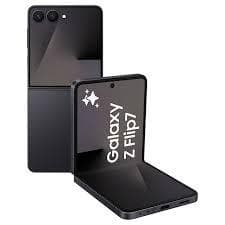
Galaxy Z Flip7
Starting at

Refurbished price:£489.00

Versus £1,156.31 new

See options

Differences at a glance

The Samsung Galaxy S22+ 5G (2022) and the Samsung Galaxy Z Flip7 (2025) represent two distinct form factors within Samsung's smartphone ecosystem. While the Galaxy S22+ follows a traditional slab smartphone design with a focus on balanced flagship utility, the Galaxy Z Flip7 introduces an innovative clamshell foldable architecture featuring an expanded outer display. Both devices run on Android and offer customized software layers, though they cater to different structural preferences and ergonomic styles.

Available Models

Colour

Storage (GB)

Scores

Durability

When examining longevity, these models reflect different generations, with the newer device providing an extended timeline for software support and updates.

  • Release Timeline: The Galaxy S22+ debuted in early 2022, whereas the Galaxy Z Flip7 arrived in mid-2025, giving the foldable model a three-year advantage in software backing.
  • Repairability and Build: Both devices employ robust materials like aluminum frames and fortified glass, though traditional slab designs generally present fewer structural failure points over extended use compared to folding hinge mechanisms.
  • Expected Lifespan: The Galaxy Z Flip7 benefits from a prolonged software support window, ensuring current operating system updates reach further into the future than its older counterpart.

Year of Release

2022

2025

Compatible with latest Update

Yes

Yes

OS

Android

Android

Foldable

No

Yes

Performance

Multitasking capabilities and processing efficiency differ due to the generational gap between the two internal architectures.

  • Storage Configurations: The Galaxy S22+ typically starts with lower baseline internal storage options, while the Galaxy Z Flip7 begins with higher storage tiers and increased RAM capacity to handle demanding background tasks smoothly.
  • System Responsiveness: Both models load everyday applications swiftly and manage browsing seamlessly, but the Galaxy Z Flip7 handles heavy, sustained processing tasks and complex graphical transitions with greater thermal efficiency.
  • Battery Behavior: The Galaxy S22+ relies on a traditional power setup that comfortably handles standard daily use, while the Galaxy Z Flip7 optimizes energy consumption through updated internal components to maintain endurance across varied daily routines.

Screen quality

Visual experiences diverge significantly based on screen geometry and folding technology.

  • Display Technology: The Galaxy S22+ features a rigid, flat panel utilizing advanced organic light-emitting diode technology, whereas the Galaxy Z Flip7 employs a flexible folding panel that bends down the middle.
  • Brightness and Clarity: Both screens offer high refresh rates for smooth scrolling and vivid color reproduction, but the Galaxy Z Flip7 reaches higher peak brightness levels for improved visibility under direct sunlight.
  • Cover Functionality: The Galaxy Z Flip7 incorporates a large, highly functional exterior display that allows users to check notifications and interact with widgets without unfolding the device.

Resolution

1080 x 2340

1080x2520

Audiovisual

Photography and media consumption features reflect distinct hardware layouts suited for different capturing styles.

  • Camera Systems: The Galaxy S22+ uses a traditional triple-lens rear arrangement including a dedicated optical zoom lens, while the Galaxy Z Flip7 relies on a versatile dual-lens rear system.
  • Flexibility in Shooting: The folding design of the Galaxy Z Flip7 allows it to act as its own tripod for stable low-light photography and hands-free video recording at various angles.
  • Audio Output: Both devices deliver clear stereo sound for media playback and crisp microphone fidelity during phone calls and voice recordings.

Main camera

50 megapixels

50 megapixels

Front camera

10 megapixels

10 megapixels

Miscellaneous

Physical dimensions and connectivity standards highlight practical usability differences in daily handling.

  • Form Factor and Handling: The Galaxy S22+ offers a standard large slab footprint that requires two-handed use for reachability, whereas the Galaxy Z Flip7 folds in half to fit easily into compact pockets.
  • Connectivity: Both models support fast 5G networks, modern Bluetooth standards, and high-speed wireless local area networks for dependable data transmission.
  • Security and Biometrics: Each phone integrates secure authentication methods, utilizing fast fingerprint recognition alongside facial scanning options for quick unlocking.

Weight

195 g

188 g

Screen size (in)

6.6

6.9

Mobile network

5G

5G

SIM card

Physical SIM + eSIM

Physical SIM + eSIM

Carrier compatibility

Unlocked

Unlocked

Connector

USB-C + Jack 3.5mm

USB-C

What the community thinks

User feedback highlights distinct preferences for each device across community forums. Owners of the Galaxy S22+ frequently praise its reliable, traditional feel, comfortable ergonomics for media consumption, and dependable everyday performance. Conversely, users of the Galaxy Z Flip7 often emphasize appreciation for its pocket-friendly folding design, expansive cover screen utility, and innovative camera angles. Common concerns for the older model revolve around gradual battery degradation over time, while foldable users occasionally note mindfulness regarding the central screen crease.

Users prioritizing a traditional, sturdy slab experience with dedicated zoom capabilities may find the Galaxy S22+ well-suited to their daily routines. Meanwhile, users prioritizing a compact footprint, modern hardware longevity, and innovative form factors may lean toward the Galaxy Z Flip7. For buyers exploring sustainable tech solutions, a quality-assured refurbished option provides an eco-friendly alternative that extends device lifecycles without compromising on core performance.