Galaxy S22+ 5G Vs iPhone 13

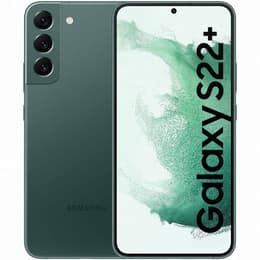
Galaxy S22+ 5G
Galaxy S22+ 5G
Starting at

Refurbished price:£166.00

Versus £1,174.01 new

See options
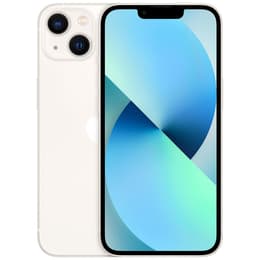
iPhone 13
iPhone 13
Starting at

Refurbished price:£204.00

Versus £599.00 new

See options

Ratings

The Samsung Galaxy S22 Plus 5G, released in early 2022, and the Apple iPhone 13, launched in late 2021, represent two distinct approaches to the modern smartphone experience. While the Galaxy S22 Plus offers a larger footprint and a high-refresh-rate display, the iPhone 13 provides a more compact design integrated into the iOS ecosystem. Both devices remain highly capable options for users seeking reliable performance and modern features in the current mobile landscape.

Choosing between these two models often comes down to a preference for specific software environments and physical handling characteristics. For those looking to make a sustainable choice, opting for a quality-assured refurbished option allows users to access these high-end features while contributing to a more circular economy. Both smartphones continue to receive strong software support, making them relevant choices for several years to come.

Scores

Durability

Both the Galaxy S22 Plus and the iPhone 13 are built with durable glass and metal frames, designed to withstand daily use while maintaining a sleek appearance over time.

  • Software Longevity: Apple typically provides iOS updates for six to seven years, meaning the iPhone 13 is expected to remain current with the latest features and security patches until approximately 2027 or 2028. Samsung has committed to four years of major Android updates and five years of security patches for the S22 Plus, ensuring it stays relevant and secure through 2027.
  • Repairability: The iPhone 13 features a modular design for certain components like the battery and screen, though some repairs require specific tools. The Galaxy S22 Plus is similarly structured, with many independent repair shops familiar with its internal layout, making it relatively straightforward to service for common issues.
  • Physical Resilience: Both devices feature high-grade water and dust resistance ratings, protecting the internal components against accidental spills or brief submersion in water, which contributes to a longer practical lifespan.

Year of Release

2022

2021

Compatible with latest Update

Yes

Yes

OS

Android

iOS

Foldable

No

No

Performance

While the internal hardware architectures differ, both smartphones handle demanding applications and multitasking with ease, providing a fluid and responsive user experience for everyday tasks.

  • System Responsiveness: The Galaxy S22 Plus manages heavy multitasking and gaming smoothly, with ample memory to keep multiple apps open in the background without frequent reloading. The iPhone 13 is known for its efficient processing, ensuring that apps launch quickly and the interface remains stutter-free even during intensive tasks like video editing.
  • Battery and Charging: The Galaxy S22 Plus features a larger battery capacity that generally lasts through a full day of moderate to heavy use and supports fast charging for quick top-ups. The iPhone 13, despite a smaller physical battery, benefits from software efficiency that provides reliable all-day battery life for standard daily routines and media consumption.
  • Storage Options: Both devices offer various internal storage capacities, allowing users to choose the amount of space they need for photos, videos, and applications without the need for external expansion cards.

Memory (GB)

8 GB

4 GB

Screen quality

The visual experience on these devices is shaped by different display technologies, with one focusing on size and smoothness and the other on colour accuracy and compact clarity.

  • Refresh Rate and Smoothness: The Galaxy S22 Plus features a 120Hz refresh rate, which makes scrolling through social media and navigating menus appear exceptionally fluid. The iPhone 13 uses a standard 60Hz refresh rate, which is consistent and smooth but lacks the high-speed motion clarity found on the Samsung model.
  • Display Size and Technology: With a 6.6-inch AMOLED screen, the Galaxy S22 Plus offers a more expansive canvas for media consumption and productivity. The iPhone 13 features a 6.1-inch OLED display that provides deep blacks and vibrant colours in a more pocket-friendly form factor that is easier to use with one hand.
  • Outdoor Visibility: Both screens are designed to be legible under direct sunlight, though the Galaxy S22 Plus can reach higher peak brightness levels, making it slightly easier to read in very bright outdoor environments or during peak daylight hours.

Resolution

1080 x 2340

1170 x 2532

Screen type

Dynamic AMOLED 2X

Super Retina XDR OLED

Audiovisual

Capturing memories is a core strength for both models, with each offering distinct advantages in lens variety and image processing styles for different types of photographers.

  • Camera Versatility: The Galaxy S22 Plus includes a dedicated telephoto lens, allowing for clear zoomed-in photos of distant subjects without losing significant detail. The iPhone 13 relies on a dual-camera system that excels in natural colour reproduction and consistent performance across its wide and ultra-wide lenses.
  • Video Recording: The iPhone 13 is widely praised for its stable and high-quality video recording, featuring advanced stabilisation that makes it a favourite for social media creators. The Galaxy S22 Plus offers high-resolution video options and robust stabilisation that performs well in various lighting conditions, including low-light environments.
  • Audio Experience: Both smartphones feature stereo speakers that deliver clear and balanced sound for videos and calls. The microphone arrays on both devices are designed to filter out background noise, ensuring voice clarity during video recordings and hands-free conversations.

Main camera

50 megapixels

12 megapixels

Front camera

10 megapixels

12 megapixels

Miscellaneous

Beyond the main specifications, the physical build and connectivity options play a significant role in daily convenience and how the device fits into a user's existing tech ecosystem.

  • Connectivity and Ports: The Galaxy S22 Plus uses a universal USB-C port for charging and data transfer, which is compatible with most modern laptops and accessories. The iPhone 13 utilises the proprietary Lightning connector. Both support 5G networks, ensuring fast mobile data speeds where network coverage is available.
  • Biometric Security: Samsung employs an ultrasonic fingerprint sensor built directly into the display for secure and quick unlocking. Apple uses Face ID, a sophisticated facial recognition system that allows for hands-free authentication and secure mobile payments.
  • Handling and Weight: The iPhone 13 is lighter and narrower, making it more comfortable for users with smaller hands. The Galaxy S22 Plus is larger and slightly heavier, which may require two-handed use for some but offers more screen real estate for those who prioritise viewing space.

Weight

195 g

173 g

Screen size (in)

6.6

6.1

Mobile network

5G

5G

SIM card

Physical SIM + eSIM

Physical SIM + eSIM

Carrier compatibility

Unlocked

Unlocked

Connector

USB-C

Lightning

User consensus from various tech forums often highlights the Galaxy S22 Plus for its vibrant, smooth display and the versatility of its triple-camera system, particularly the dedicated zoom lens. However, some users note that the battery can drain more quickly during intensive gaming sessions or when using the high-refresh-rate setting constantly. Conversely, the iPhone 13 is frequently commended for its consistent software performance, exceptional video quality, and the overall reliability of the iOS ecosystem. Some users express a desire for a faster refresh rate on the iPhone's display to match the smoothness found on contemporary competitors.

Users who prioritise a large, fluid screen for watching videos or playing games, and those who frequently take photos of distant objects, will likely find the Galaxy S22 Plus better suited to their needs. Those who prefer a more compact device that is easy to operate with one hand and offers a highly stable video recording experience may lean toward the iPhone 13. Choosing an eco-friendly alternative like a quality-assured refurbished model is a practical way to acquire either device while supporting sustainable consumption. Ultimately, both smartphones remain powerful tools that cater to different lifestyle priorities and ecosystem preferences without compromising on core functionality.

See all articles

Our recent comparisons