Compare models

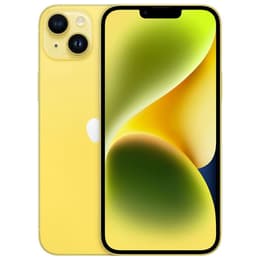
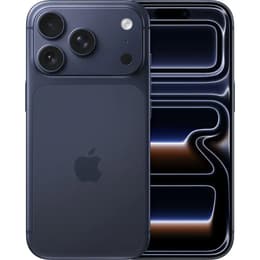
iPhone 14 Plus Vs iPhone 17 Pro

  • 1-year minimum warranty
  • Free delivery on all items
  • Free 30-day returns
iPhone 14 Plus
Starting at

Refurbished price:£249.00

Versus £699.00 new

See options
iPhone 17 Pro
Starting at

Refurbished price:£769.00

Versus £1,099.00 new

See options

Differences at a glance

The iPhone 14 Plus (2022) and the iPhone 17 Pro (2025) represent different eras and priorities within Apple's smartphone lineup. While the iPhone 14 Plus focuses on providing a large display format with reliable everyday performance, the iPhone 17 Pro introduces advanced computing architecture, professional-grade camera flexibility, and a high-refresh-rate screen. Both devices run on Apple's iOS ecosystem, though they launch with different software generations, highlighting a significant gap in release timelines and internal capabilities.

Available Models

Colour

Storage

Scores

Durability

Evaluating the lifespan and durability of these devices involves examining their launch timelines, software support schedules, and build standards.

  • Software Support: The iPhone 17 Pro benefits from a later release year, ensuring it receives operating system updates and security patches for several years beyond the iPhone 14 Plus.
  • Build Durability: The iPhone 17 Pro incorporates advanced exterior protection materials designed for enhanced scratch resistance on both front and back glass, whereas the iPhone 14 Plus relies on standard aluminum and glass construction.
  • Repairability: Both models align with modern modular repair standards, though component availability and longevity favor the newer architecture of the iPhone 17 Pro for long-term ownership.

Year of Release

2022

2025

Performance

System responsiveness and handling of demanding applications differ notably between these generations, impacting multitasking and power efficiency.

  • Multitasking and Speed: The iPhone 17 Pro handles resource-intensive apps, complex gaming, and background processing with greater thermal efficiency and speed thanks to its advanced internal processor and increased random access memory.
  • Battery Behavior: The iPhone 14 Plus delivers solid all-day battery life due to its large physical footprint, while the iPhone 17 Pro balances high-performance processing with modern energy-efficient power management for sustained heavy usage.
  • Storage Configurations: The iPhone 17 Pro starts with higher baseline storage capacities suited for large media libraries, whereas the iPhone 14 Plus begins at a more modest entry-level storage tier.

Screen quality

Display technologies vary significantly between the two models, directly influencing visual smoothness, outdoor usability, and media viewing.

  • Refresh Rate: The iPhone 17 Pro features adaptive high-refresh-rate technology up to 120 Hz for smooth scrolling and animations, while the iPhone 14 Plus utilizes a standard 60 Hz panel.
  • Brightness and Clarity: The iPhone 17 Pro achieves higher peak outdoor brightness levels for clear visibility in direct sunlight, complementing its crisp pixel density across a compact form factor.
  • Screen Size: The iPhone 14 Plus provides a larger 6.7-inch viewing area suited for reading and watching videos, compared to the 6.3-inch display on the iPhone 17 Pro.

Audiovisual

Photography and audio recording capabilities reflect distinct hardware configurations tailored to casual users versus content creators.

  • Camera Systems: The iPhone 14 Plus features a dual-lens setup for standard and wide-angle photos, while the iPhone 17 Pro equips a versatile triple-lens array with high-resolution sensors and extended optical zoom.
  • Low-Light Performance: The larger sensors and image processing pipelines on the iPhone 17 Pro capture finer detail in challenging lighting conditions compared to the older hardware on the iPhone 14 Plus.
  • Audio and Video: Both models offer stereo speakers and clear microphone inputs for calls, but the iPhone 17 Pro adds professional video recording formats and advanced studio-quality capture features.

Miscellaneous

Practical daily usability elements such as connectivity, physical dimensions, and hardware ports shape the overall user experience.

  • Connectivity: Both devices support 5G networks and modern wireless standards, though the iPhone 17 Pro integrates updated cellular modems for improved signal stability in congested areas.
  • Physical Handling: The iPhone 14 Plus offers a lightweight feel despite its large dimensions, whereas the iPhone 17 Pro provides a more compact footprint that is easier to handle with one hand.
  • Physical Ports: Depending on regional specifications and release year differences, physical connection standards vary, with newer models shifting fully toward universal connectivity and modern SIM configurations.

Screen size (in)

6.7

6.3

Mobile network

5G

5G

SIM card

Physical SIM + eSIM

Physical SIM + eSIM

Carrier compatibility

Unlocked

Unlocked

Connector

Lightning

USB-C

What the community thinks

User feedback from community discussions highlights distinct preferences for each device. Owners of the iPhone 14 Plus frequently praise its expansive screen estate and reliable battery endurance for media consumption and reading. Conversely, users of the iPhone 17 Pro emphasize the noticeable fluidity of the high-refresh-rate display, the versatility of the multi-lens camera system, and the robust processing power for demanding tasks.

When deciding between the two, users prioritizing screen size and a straightforward viewing experience may prefer the iPhone 14 Plus, while users seeking advanced photographic tools, higher system responsiveness, and extended software longevity will lean toward the iPhone 17 Pro. Exploring a quality-assured refurbished option provides an eco-friendly alternative that makes high-end technology more accessible without compromising on performance or reliability.