Galaxy S23 Ultra Vs iPhone 14

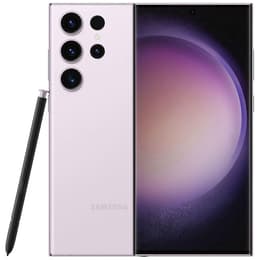
Galaxy S23 Ultra
Galaxy S23 Ultra
Starting at

Refurbished price:£299.00

Versus £1,599.00 new

See options
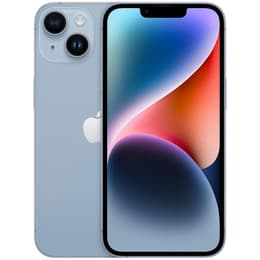
iPhone 14
iPhone 14
Starting at

Refurbished price:£232.00

Versus £599.00 new

See options

Ratings

The Samsung Galaxy S23 Ultra, released in early 2023, and the iPhone 14, launched in late 2022, represent two distinct philosophies in the modern smartphone market. While both devices serve as flagship offerings from their respective manufacturers, they cater to different user needs through their size, input methods, and software ecosystems. The Galaxy S23 Ultra is a large-format device designed for high productivity and advanced photography, whereas the iPhone 14 offers a more compact, streamlined experience focused on ease of use and reliability.

The most significant difference lies in their operating systems: the Galaxy runs on Android with a highly customisable interface, while the iPhone utilises iOS, known for its straightforward navigation and integration with other Apple services. Choosing between them often comes down to whether a user prefers a versatile, feature-rich tool or a consistent, intuitive daily companion.

Scores

Durability

When evaluating how long these devices will remain functional and relevant, both manufacturers have made significant commitments to software longevity and physical resilience.

  • Software Support: The iPhone 14 is expected to receive operating system updates for approximately six years from its release, following the manufacturer's historical patterns. The Galaxy S23 Ultra offers a guaranteed four years of major software updates and five years of security patches, ensuring it remains secure and compatible with new apps for a similar duration.
  • Physical Build and Repair: The Galaxy S23 Ultra uses toughened glass on both the front and back, designed to resist scratches and minor impacts, while the iPhone 14 features a ceramic-infused front cover for drop protection. Both devices are rated for high water and dust resistance, meaning they can survive accidental submersions.
  • Sustainability: For those looking to extend the life of a device even further, choosing a quality-assured refurbished option is a practical way to access these durable builds while supporting a circular economy. Both models have established repair networks, though the modularity of certain internal components varies between the two.

Year of Release

2023

2022

Compatible with latest Update

Yes

Yes

OS

Android

iOS

Foldable

No

No

Performance

Performance in these devices is less about raw numbers and more about how they handle the demands of modern applications and multitasking throughout a busy day.

  • Daily Responsiveness: The Galaxy S23 Ultra is built to handle intensive multitasking, such as running two apps side-by-side or managing large files, without showing signs of slowing down. The iPhone 14 prioritises fluid animations and quick app launches, maintaining a consistent speed even when multiple social media and navigation apps are open in the background.
  • Battery Endurance: With its larger physical footprint, the Galaxy S23 Ultra houses a high-capacity battery that typically supports a full day of heavy use, including photography and document editing. The iPhone 14, despite its smaller size, uses efficient power management to ensure it lasts through a standard day of calls, messaging, and media playback.
  • Memory Management: The Galaxy offers higher memory options which benefit users who keep dozens of browser tabs open, while the iPhone's system is designed to freeze background tasks efficiently, ensuring the device feels snappy regardless of how many apps are technically open.

Memory (GB)

8 GB

6 GB

Screen quality

The viewing experience differs significantly between these two models, primarily in terms of physical size and the smoothness of motion on the display.

  • Display Technology: The Galaxy S23 Ultra features a 6.8-inch display that uses advanced light-emitting diode technology to provide deep blacks and high contrast. It also includes a variable refresh rate, which means scrolling through text or playing games looks exceptionally fluid. The iPhone 14 has a 6.1-inch display that offers excellent colour accuracy and clarity, though it operates at a standard refresh rate, which is functional but lacks the ultra-smooth feel of its competitor.
  • Outdoor Visibility: The Galaxy is designed to reach high brightness levels, making it easier to read maps or view photos under direct sunlight. The iPhone 14 also performs well outdoors, with a bright screen that remains legible in most lighting conditions, though it does not reach the same peak levels as the Ultra.
  • Screen Real Estate: The sheer size of the Galaxy S23 Ultra makes it well-suited for watching videos or editing documents, whereas the iPhone 14 is much easier to operate with one hand, fitting comfortably in smaller pockets.

Resolution

1440 x 3088

1170 x 2532

Screen type

Dynamic AMOLED 2X

Super Retina XDR OLED

Audiovisual

Both smartphones are capable of capturing high-quality images, but they approach mobile photography with different sets of tools and priorities.

  • Zoom and Detail: The Galaxy S23 Ultra is equipped with a sophisticated lens system that allows for significant optical zoom, making it possible to photograph distant subjects with clarity. It also features a high-resolution main sensor that captures immense detail in well-lit environments. The iPhone 14 uses a dual-lens system that focuses on natural colour reproduction and quick shutter speeds, making it ideal for spontaneous snapshots.
  • Video and Low Light: The iPhone 14 is frequently praised for its stable video recording and its ability to capture clear footage even when the person filming is moving. Both devices perform well in low-light settings, using software processing to brighten dark scenes, though the Galaxy often produces slightly brighter images in near-total darkness.
  • Audio Capture: For video calls and recordings, both devices feature multiple microphones that filter out background noise. The Galaxy S23 Ultra provides a slightly more directional audio recording experience, while the iPhone 14 focuses on clear, balanced vocal tones.

Main camera

200 megapixels

12 megapixels

Front camera

12 megapixels

12 megapixels

Miscellaneous

Beyond the core specifications, several practical features influence how these devices feel in daily use, from connectivity to physical interaction.

  • Input and Navigation: A standout feature of the Galaxy S23 Ultra is the integrated stylus, which slides into the body of the phone. This allows for precise note-taking, sketching, and remote control of the camera. The iPhone 14 relies entirely on touch input, focusing on a refined gesture-based navigation system that many users find highly intuitive.
  • Security and Ports: The Galaxy uses an ultrasonic fingerprint sensor hidden under the glass for secure access, while the iPhone 14 utilises facial recognition technology. In terms of physical connections, the Galaxy uses the universal USB-C standard, whereas the iPhone 14 uses the proprietary Lightning port for charging and data transfer.
  • Portability: The iPhone 14 is considerably lighter and narrower, making it a better choice for users who prefer a device that doesn't feel bulky. The Galaxy S23 Ultra is a substantial piece of hardware, offering a sturdy feel that reflects its expansive feature set.

Weight

234 g

172 g

Screen size (in)

6.8

6.1

Mobile network

5G

5G

SIM card

Dual Physical SIM + eSIM

Physical SIM + eSIM

Carrier compatibility

Unlocked

Unlocked

Connector

USB-C

Lightning

In summary, the Galaxy S23 Ultra and the iPhone 14 cater to different priorities within the smartphone landscape. User discussions on platforms like Reddit often highlight the Galaxy S23 Ultra for its remarkable zoom capabilities and the utility of the S Pen, though some users find its large size cumbersome for daily carry. Conversely, the iPhone 14 is frequently lauded for its reliable performance and the simplicity of the iOS ecosystem, with the main criticism being the lack of a high refresh rate display found on more expensive or newer models.

Users who prioritise productivity, large-screen media consumption, and advanced photography tools will likely find the Galaxy S23 Ultra aligns with their needs. Those who prefer a compact, dependable device that integrates seamlessly with other Apple products and offers a straightforward user experience may lean toward the iPhone 14. Both devices represent high-quality engineering and are available as eco-friendly alternatives through refurbishment, which provides a sustainable way to own a flagship device. Ultimately, the decision rests on whether you value the versatile, expansive toolkit of the Ultra or the refined, compact efficiency of the iPhone 14.
See all articles

Our recent comparisons