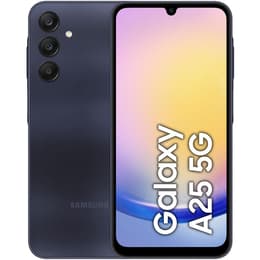

Galaxy A15 5G Vs Galaxy A25

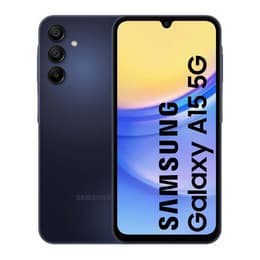
Galaxy A15 5G
Galaxy A15 5G
Starting at

Refurbished price:£99.00

Versus £212.30 new

See options
Galaxy A25
Galaxy A25
Starting at

Refurbished price:£122.00

Versus £272.58 new

See options

Ratings

The Samsung Galaxy A15 5G and the Samsung Galaxy A25 are both Android-based smartphones released in December 2023, offering a blend of features for everyday use. While they share a similar design philosophy and operate on Android 14 with Samsung's One UI, the Galaxy A25 introduces several enhancements in display technology, processing power, and camera capabilities. These differences cater to varying user priorities, from casual browsing to more demanding multimedia tasks.

Scores

Durability

Both the Samsung Galaxy A15 5G and the Galaxy A25 were launched in December 2023, ensuring they start their lifecycle with the same current software. Samsung has committed to providing four generations of Android OS upgrades and five years of security updates for both devices, aligning them with a strong long-term software support policy.

  • Software Longevity: Users can expect both the Galaxy A15 5G and Galaxy A25 to receive major Android updates until approximately 2028 and security patches until 2029, offering a substantial period of software relevance.
  • Update Frequency: While both receive extensive support, security updates are typically delivered quarterly for these mid-range models, rather than monthly, which is common for Samsung's flagship devices.
  • Physical Durability: The Galaxy A25 features Corning Gorilla Glass 5 for its display, offering a degree of protection against scratches and minor drops, a feature not explicitly stated for the Galaxy A15 5G. Both devices feature a plastic body construction.

Year of Release

2023

2023

Compatible with latest Update

Yes

Yes

OS

Android

Android

Foldable

No

No

Performance

The performance of the Galaxy A15 5G and Galaxy A25 differs primarily due to their internal components, impacting how smoothly they handle various tasks and applications.

  • Processing Power: The Galaxy A25 is equipped with a more capable processor, which translates to faster app loading times and a more responsive experience, especially when navigating the user interface or switching between multiple applications. The Galaxy A15 5G, while competent for daily tasks, may exhibit more noticeable slowdowns with heavier multitasking or graphically intensive applications.
  • Multitasking and Responsiveness: The Galaxy A25 generally offers a smoother experience for users who frequently switch between apps or engage in more demanding mobile gaming, thanks to its enhanced processing capabilities and often higher base RAM configurations. Some users of the A15 5G have reported occasional lag, particularly with 4GB RAM variants, suggesting that higher RAM configurations are beneficial for sustained performance.
  • Storage and Battery: Both devices offer similar storage options, typically 128GB or 256GB, expandable via microSD. They also share a 5000mAh battery capacity with 25W fast charging support, providing ample power for a full day of use for most users.

Memory (GB)

4 GB

6 GB

Screen quality

Both smartphones feature Super AMOLED displays, known for their vibrant colors and deep blacks, but they differ in key aspects that affect the viewing experience.

  • Display Technology and Clarity: Both the Galaxy A15 5G and Galaxy A25 come with a 6.5-inch Super AMOLED display with a resolution of 2340x1080 pixels (FHD+), providing clear and sharp visuals for media consumption and daily use.
  • Brightness and Outdoor Visibility: The Galaxy A25 offers a brighter screen, reaching up to 1000 nits of peak brightness, which significantly improves visibility in bright outdoor conditions. The Galaxy A15 5G has a peak brightness of 800 nits, which is still good for indoor use but may be less comfortable under direct sunlight.
  • Refresh Rate and Smoothness: The Galaxy A25 features a 120Hz refresh rate, resulting in noticeably smoother scrolling and more fluid animations compared to the Galaxy A15 5G's 90Hz refresh rate. This higher refresh rate contributes to a more responsive feel during general navigation and gaming.

Resolution

1080 x 2340

1080 x 2340

Screen type

Super AMOLED

Super AMOLED

Audiovisual

The camera systems on the Galaxy A15 5G and Galaxy A25 share some specifications but diverge in crucial features that impact overall image and video quality.

  • Main Camera Capabilities: Both devices are equipped with a 50-megapixel main camera. However, the Galaxy A25's main sensor includes Optical Image Stabilization (OIS), which helps in capturing sharper photos in challenging lighting conditions and significantly reduces blur in videos. The Galaxy A15 5G lacks OIS, making it more susceptible to blur from handshakes.
  • Ultra-wide and Video Recording: The Galaxy A25 features an 8-megapixel ultra-wide camera, offering slightly more detail than the Galaxy A15 5G's 5-megapixel ultra-wide lens. A significant advantage for the Galaxy A25 is its ability to record 4K video at 30 frames per second, while the Galaxy A15 5G is limited to 1080p video recording.
  • Front Camera and Audio: Both phones include a 13-megapixel front-facing camera for selfies. The Galaxy A25 also features stereo speakers with Dolby Atmos support, providing a more immersive audio experience for media consumption compared to the single bottom-firing speaker on the Galaxy A15 5G.

Main camera

50 megapixels

50 megapixels

Front camera

13 megapixels

13 megapixels

Miscellaneous

Beyond core specifications, several practical elements differentiate the user experience between the Galaxy A15 5G and the Galaxy A25.

  • Connectivity and Ports: Both devices support 5G connectivity, ensuring access to faster mobile networks. They both include a USB-C port for charging and data transfer, and notably, retain a 3.5mm headphone jack, which is convenient for users with wired audio accessories.
  • Biometrics and Build: Both smartphones feature a side-mounted fingerprint sensor integrated into the power button for secure unlocking. While both have a plastic frame and back, the Galaxy A25 adds Corning Gorilla Glass 5 protection to its display, enhancing its resistance to scratches and minor impacts.
  • Dimensions and Handling: The Galaxy A15 5G measures 160.1 x 76.8 x 8.4 mm and weighs 200 grams. The Galaxy A25 is slightly different at 161 x 76.5 x 8.3 mm and weighs 197 grams. These minor differences mean both devices offer a similar in-hand feel, though the A25 is marginally lighter and thinner.

Weight

200 g

197 g

Screen size (in)

6.5

6.5

Mobile network

5G

5G

SIM card

Dual Physical SIM

Dual Physical SIM

Carrier compatibility

Unlocked

Unlocked

User feedback for both the Samsung Galaxy A15 5G and Galaxy A25 generally praises their vibrant AMOLED displays and reliable battery life. Users frequently highlight the Galaxy A25's smoother performance and superior camera capabilities, particularly its Optical Image Stabilization and 4K video recording, as significant advantages. Some A15 5G users, especially those with lower RAM configurations, have noted occasional performance lags with heavy usage. The A25's brighter screen and 120Hz refresh rate are also commonly cited as enhancing the daily user experience.

Users prioritizing a highly responsive interface, smoother scrolling, and more capable photography and videography, especially in varied lighting conditions, will find the Galaxy A25 better suited to their needs. Its enhanced display brightness also benefits those who frequently use their phone outdoors. Conversely, users primarily focused on essential smartphone functions like communication, social media, and casual content consumption, where a slightly lower refresh rate or less advanced camera features are acceptable, may find the Galaxy A15 5G to be a practical choice. Both devices offer excellent long-term software support, making them viable options for extended use. For those seeking an eco-friendly alternative, both models are available as quality-assured refurbished options, providing a sustainable choice without compromising on functionality.

See all articles

Our recent comparisons