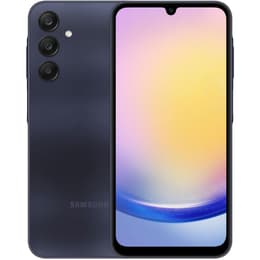
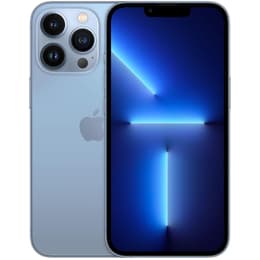

Galaxy A25 Vs iPhone 13 Pro

Galaxy A25
Galaxy A25
Starting at

Refurbished price:£121.00

Versus £272.58 new

See options
iPhone 13 Pro
iPhone 13 Pro
Starting at

Refurbished price:£232.00

Versus £949.00 new

See options

Ratings

The Samsung Galaxy A25 (2024) and the Apple iPhone 13 Pro (2021) represent two distinct eras and tiers of smartphone technology. While the Galaxy A25 is a modern mid-range device designed for contemporary essentials, the iPhone 13 Pro is a former flagship that continues to offer high-end capabilities. These devices operate on Android and iOS respectively, providing different ecosystems for users to navigate. This comparison explores how a newer mid-tier phone stands against a slightly older professional-grade model to help you decide which fits your daily needs.

Scores

Durability

The Galaxy A25 and iPhone 13 Pro offer different advantages regarding their expected lifespan and physical resilience.

  • Software Longevity: The Galaxy A25, released in 2024, is supported by a commitment to four years of major software updates, ensuring it remains current until 2028. The iPhone 13 Pro, though older, benefits from Apple's long-term update cycle, which typically supports devices for six to seven years, likely keeping it relevant until a similar date.
  • Build Materials: The iPhone 13 Pro is constructed with a stainless steel frame and glass, providing a sturdy feel and high resistance to daily wear. In contrast, the Galaxy A25 uses a practical plastic build that is lightweight and less likely to shatter, though it may show surface wear more easily over time.
  • Sustainability: Choosing a quality-assured refurbished option for either model is an effective way to extend the useful life of these devices while supporting more sustainable consumption habits.

Year of Release

2023

2021

Compatible with latest Update

Yes

Yes

OS

Android

iOS

Foldable

No

No

Performance

Performance levels on these devices are tailored to different types of users, from casual browsers to power users.

  • System Responsiveness: The iPhone 13 Pro provides a fluid experience when handling demanding tasks like high-resolution video editing or complex gaming, with apps opening almost instantaneously. The Galaxy A25 is well-equipped for everyday multitasking, social media, and streaming, though users may notice slightly longer loading times during intensive activities.
  • Memory Management: With its efficient background processing, the iPhone 13 Pro allows for seamless switching between numerous open applications. The Galaxy A25 offers ample memory for standard use, ensuring that common apps remain responsive throughout the day without frequent restarts.
  • Battery Efficiency: The Galaxy A25 features a large battery capacity designed to support a full day of active use, while the iPhone 13 Pro uses highly optimised software to ensure its battery lasts through a standard workday despite its more compact physical size.

Memory (GB)

6 GB

6 GB

Screen quality

Both smartphones feature high-quality displays that prioritise clarity and smooth motion, though they differ in size and brightness.

  • Display Technology: The Galaxy A25 features a 6.5-inch Super AMOLED display that produces deep blacks and vivid colours, making it a strong choice for media consumption. The iPhone 13 Pro uses a 6.1-inch Super Retina XDR screen, which offers high colour precision and peak brightness for better visibility in bright outdoor environments.
  • Refresh Rates: Both models support a 120Hz refresh rate, which makes scrolling through lists and navigating the interface feel fluid and responsive. The iPhone 13 Pro utilises adaptive technology to adjust this rate based on the content shown, whereas the Galaxy A25 provides a consistent high-speed refresh for a fluid visual experience.
  • Viewing Comfort: The larger screen of the Galaxy A25 provides more space for reading and gaming, while the iPhone 13 Pro offers a more compact form factor that is easier to operate with one hand without sacrificing detail.

Resolution

1080 x 2340

1170 x 2532

Screen type

Super AMOLED

Super Retina XDR OLED

Audiovisual

The camera and audio capabilities of these devices reflect their original design goals as either a versatile daily companion or a professional tool.

  • Camera Versatility: The iPhone 13 Pro includes a triple-lens array with a dedicated telephoto lens for 3x optical zoom, allowing for detailed close-ups. The Galaxy A25 also features three rear cameras, including a high-resolution main sensor and an ultra-wide lens, which are well-suited for capturing broad landscapes and everyday moments.
  • Low-Light Photography: For photos in dim settings, the iPhone 13 Pro uses a large sensor and specialised light-sensing technology to capture bright, clear images with minimal noise. The Galaxy A25 performs reliably in well-lit conditions, though it may struggle to maintain the same level of detail when the light fades.
  • Media Recording: Video quality is a highlight for the iPhone 13 Pro, which offers advanced stabilisation and professional recording modes. The Galaxy A25 provides clear video for casual use, supported by microphones that deliver crisp audio for video calls and voice recordings.

Main camera

50 megapixels

12 megapixels

Front camera

13 megapixels

12 megapixels

Miscellaneous

Practical features like connectivity and physical handling can significantly impact the daily user experience of these two smartphones.

  • Ports and Storage: The Galaxy A25 retains a 3.5mm headphone jack and a microSD slot for expandable storage, offering flexibility for users with wired headphones or large media libraries. The iPhone 13 Pro uses a Lightning port and relies on fixed internal storage, which may require more frequent use of cloud services for data management.
  • Security Features: The iPhone 13 Pro utilises secure facial recognition for unlocking the device and authenticating payments, while the Galaxy A25 features a reliable fingerprint sensor built into the side power button. Both systems provide quick and secure access to the device.
  • Handling and Weight: The iPhone 13 Pro has a substantial feel due to its metal construction, whereas the Galaxy A25 is lighter despite its larger dimensions, making it comfortable for extended periods of handheld use.

Weight

197 g

203 g

Screen size (in)

6.5

6.1

Mobile network

5G

5G

SIM card

Dual Physical SIM

Physical SIM + eSIM

Carrier compatibility

Unlocked

Unlocked

Connector

USB-C

Lightning

User feedback from various tech forums and community discussions highlights distinct strengths for both the Samsung Galaxy A25 and the iPhone 13 Pro. Owners of the Galaxy A25 frequently praise its long-lasting battery and the inclusion of practical features like the headphone jack and expandable storage, which are often missing from modern devices. Conversely, iPhone 13 Pro users often highlight the device's strong camera performance and the consistent smoothness of the interface as its most significant advantages. Some users note that the Galaxy A25 can feel slightly slower during heavy gaming, while some iPhone users mention the transition to Lightning cables as a minor inconvenience compared to the more common USB-C standard.

Users who prioritise a large screen, long battery life, and the flexibility of traditional ports will find the Galaxy A25 well-suited to their needs. Those who require high-quality photography, a more compact design, and a responsive system for demanding tasks may lean toward the iPhone 13 Pro. Opting for a sustainable choice like a quality-assured refurbished model allows users to access these features while contributing to a more circular economy. Ultimately, the decision depends on whether you value the modern essentials and practical additions of a newer mid-range phone or the high-end performance and premium build of a classic flagship.


See all articles

Our recent comparisons