
Galaxy A33 5G Vs iPhone 13 Pro Max

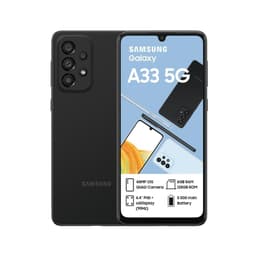
Galaxy A33 5G
Galaxy A33 5G
Starting at

Refurbished price:£102.00

Versus £389.00 new

See options
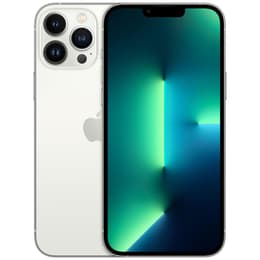
iPhone 13 Pro Max
iPhone 13 Pro Max
Starting at

Refurbished price:£272.00

Versus £1,259.00 new

See options

Ratings

The Samsung Galaxy A33 5G, released in early 2022, and the Apple iPhone 13 Pro Max, launched in late 2021, represent two different approaches to the modern smartphone experience. While the Galaxy A33 5G serves as a versatile mid-range device within the Android ecosystem, the iPhone 13 Pro Max was designed as a high-end flagship running iOS. The primary differences lie in their physical dimensions, display technologies, and the depth of their camera systems, catering to distinct user priorities and daily habits.

Scores

Durability

These two devices offer different expectations for long-term use based on their release cycles and manufacturer support policies.

  • Software Longevity: The iPhone 13 Pro Max benefits from the typically long lifecycle of iOS updates, often receiving system refreshes for six years or more from its release date. The Galaxy A33 5G follows a structured update path, with the manufacturer committing to four generations of Android OS upgrades, ensuring it remains functional and secure for several years.
  • Physical Resilience: The iPhone 13 Pro Max features a stainless steel frame and a ceramic-hardened glass front, providing high resistance to daily wear, while the Galaxy A33 5G utilises a reinforced plastic build that is lighter and handles impacts differently. Both devices carry high water and dust resistance ratings, though the iPhone is tested for slightly deeper submersion.
  • Repair Accessibility: Both manufacturers have expanded their repair programmes, making it easier for users to find replacement parts like screens or batteries through authorised service providers or independent technicians.

Year of Release

2022

2021

Compatible with latest Update

Yes

Yes

OS

Android

iOS

Foldable

No

No

Performance

While both phones handle standard applications with ease, they are tuned for different levels of intensity and multitasking.

  • System Responsiveness: The iPhone 13 Pro Max is engineered for high-demand tasks, such as 4K video editing and intensive mobile gaming, maintaining high frame rates and smooth transitions. The Galaxy A33 5G provides a reliable experience for everyday activities like web browsing, social media, and streaming, though it may show slight pauses when switching between many large applications.
  • Battery Endurance: The Galaxy A33 5G houses a large battery capacity that comfortably supports a full day of active use, particularly when using standard settings. The iPhone 13 Pro Max is noted for its efficient power management, often lasting well into a second day for moderate users despite having a physically smaller battery than some competitors.
  • Storage and Memory: Both devices offer various internal storage capacities to house photos and apps, but the iPhone 13 Pro Max provides higher maximum storage tiers for users who record significant amounts of high-resolution video.

Memory (GB)

6 GB

6 GB

Screen quality

The viewing experience on these devices differs in size, smoothness, and how they handle bright environments.

  • Display Technology: The iPhone 13 Pro Max uses a large 6.7-inch OLED panel with adaptive refresh rate technology, which adjusts the smoothness of motion up to 120Hz based on the content. The Galaxy A33 5G features a slightly smaller 6.4-inch Super AMOLED display with a fixed 90Hz refresh rate, offering fluid scrolling that is a noticeable step up from standard screens.
  • Outdoor Visibility: The iPhone 13 Pro Max reaches higher peak brightness levels, making the screen easier to read under direct sunlight or in bright outdoor conditions. The Galaxy A33 5G remains legible outdoors but may require manual brightness adjustments to maintain clarity in harsh light.
  • Visual Clarity: Both screens produce deep blacks and high contrast ratios, though the iPhone 13 Pro Max offers a higher pixel density, resulting in sharper text and finer details when viewing high-definition media.

Resolution

1080 x 2400

1284 x 2778

Screen type

Super AMOLED

Super Retina XDR OLED

Audiovisual

Photography and video capabilities are where these two models diverge most significantly in terms of hardware and features.

  • Lens Versatility: The iPhone 13 Pro Max features a triple-lens system including a dedicated telephoto lens for optical zooming without losing detail. The Galaxy A33 5G uses a quad-camera array that includes a macro lens for close-up photography and an ultra-wide lens, though it lacks a dedicated optical zoom lens, relying instead on digital cropping.
  • Video Production: Users who record video frequently will find the iPhone 13 Pro Max offers advanced stabilisation and professional-grade recording formats that preserve more data for editing. The Galaxy A33 5G captures clear video for social sharing and personal memories, featuring effective optical image stabilisation on its main sensor to reduce shakiness.
  • Low-Light Performance: The iPhone 13 Pro Max utilises a larger main sensor and specialised software processing to capture bright, detailed images in dark environments. The Galaxy A33 5G includes a dedicated night mode that improves evening shots, though it may retain more digital noise in low-light settings compared to the flagship model.

Main camera

48 megapixels

12 megapixels

Front camera

13 megapixels

12 megapixels

Miscellaneous

Practical design choices and connectivity features influence how these devices feel in the hand and interact with other hardware.

  • Biometrics and Security: The Galaxy A33 5G employs an optical fingerprint sensor tucked under the display for secure unlocking. In contrast, the iPhone 13 Pro Max uses facial recognition technology located in the top notch of the screen, which maps the user's features for hands-free access.
  • Physical Handling: The Galaxy A33 5G is considerably lighter and narrower, making it easier to use with one hand for extended periods. The iPhone 13 Pro Max is a substantial device with a wider footprint and more weight, which provides a sturdy feel but may require two-handed use for many people.
  • Connectivity and Ports: Both smartphones support 5G networks for fast mobile data and include modern Wi-Fi and Bluetooth standards. The Galaxy A33 5G uses the universal USB-C port for charging and data transfer, while the iPhone 13 Pro Max uses the proprietary Lightning connector.

Weight

186 g

238 g

Screen size (in)

6.4

6.7

Mobile network

5G

5G

SIM card

Dual Physical SIM

Physical SIM + eSIM

Carrier compatibility

Unlocked

Unlocked

Connector

USB-C

Lightning

Public sentiment and user reviews highlight the distinct roles these devices play in the lives of their owners. Users of the Galaxy A33 5G frequently praise its practical design, noting that the battery life is dependable for long workdays and the screen is vibrant for its category. Some users mention that the plastic back is less prone to shattering than glass, though others note that the system can occasionally feel less snappy when many background apps are running simultaneously.

The iPhone 13 Pro Max receives consistent acclaim for its exceptional battery endurance and the consistency of its camera system across different lighting conditions. Common criticisms often focus on its significant weight and the time it takes to reach a full charge compared to some modern standards. Users prioritising a lightweight, straightforward device for daily communication and media consumption may find the Galaxy A33 5G aligns well with their needs. Those who require a high-performance tool for creative work, professional photography, or gaming will likely lean toward the iPhone 13 Pro Max.

Choosing a quality-assured refurbished option for either model is an eco-friendly alternative that supports a more sustainable choice in technology. Both devices remain capable and relevant, offering distinct paths depending on whether one values portability and simplicity or power and professional features.
See all articles

Our recent comparisons